Literati Arts
Enter the quiet worlds of guqin, tea, incense, calligraphy, painting and flowers: arts shaped by patience, attention and refinement.
A note drawn from one guqin string. Water meeting a leaf. Fragrance unfolding from warm wood. A brush line carrying weight, speed and pause. A branch placed so that the empty space around it begins to speak. These arts ask us to slow down enough to notice how small choices shape an experience.
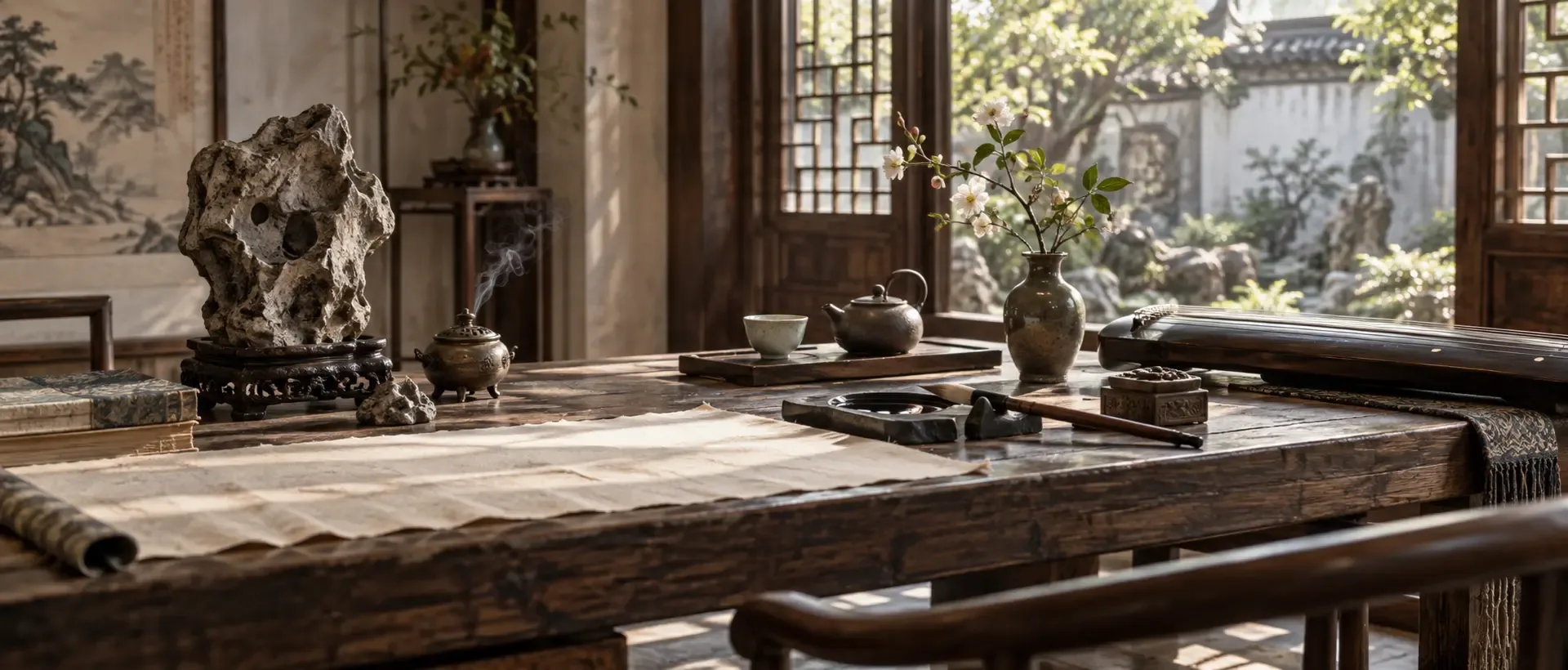
In this section
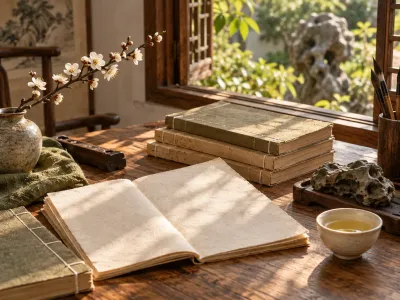
Chinese Poetry and Literature: Forms, Contexts and Reading Paths
Read classical verse through genre, sound, occasion, translation and historical context
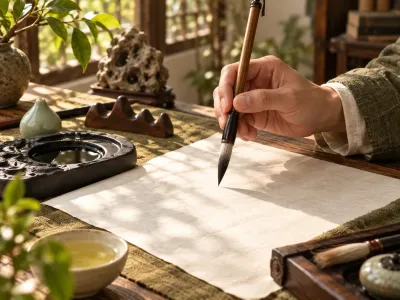
Chinese Calligraphy: Scripts, Materials and Ways of Looking
Read the written words and the brushwork together, from script families to a first encounter with a historical work.
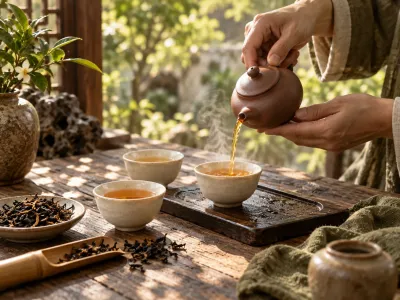
Chinese Tea Culture
Brewing, hospitality and attentive practice across many Chinese traditions
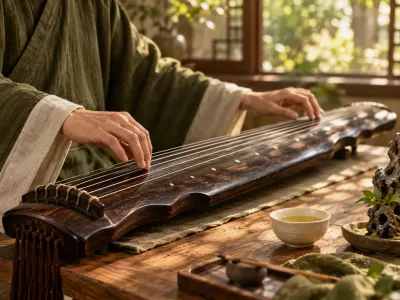
Guqin: Sound, History and Ways to Listen
Meet the seven-string zither through its sound, sources and living musical practice.
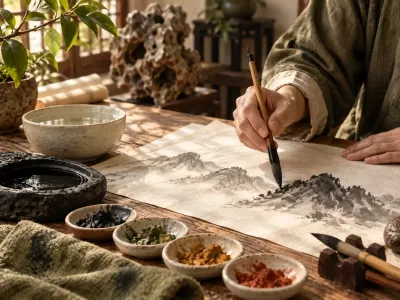
Chinese Painting: Materials, Formats and Ways of Looking
Read brushwork, colour, space and mounting through the history of particular objects.
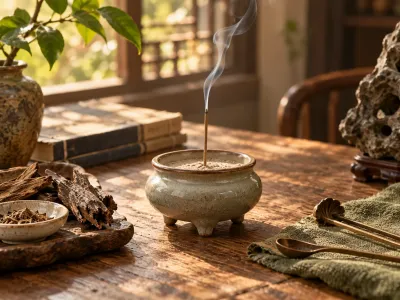
Chinese Incense Culture
Materials, vessels, uses and responsible ways to begin
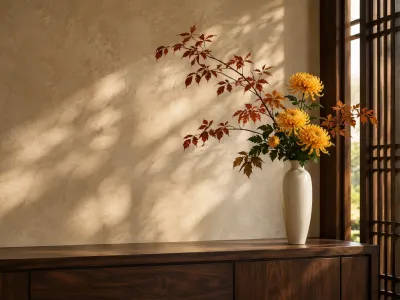
Chinese Flower Arrangement: History, Materials and Ways of Looking
A cultural guide to vessels, seasonal branches, late-Ming texts and attentive looking
Wudang.Org brings together Guqin, tea, incense, calligraphy, Chinese painting and flower arrangement as Literati Arts. The grouping is a contemporary editorial pathway into the wider world of Chinese cultivated life. Each art has its own history, communities and methods; together they reveal recurring values of patient practice, material knowledge, restraint, season, hospitality and attentive presence.
Taoist ideas have influenced this world, especially ways of thinking about naturalness, emptiness, transformation and action that is not forced. They are one part of a larger cultural conversation that also includes Confucian learning, Buddhist practice, court and temple life, professional craft, commerce and modern reinvention.
Six Ways to Begin
Guqin — Listen closely to seven strings, changing tone, silence and a musical tradition carried through notation, teachers and repertoire.
Chinese Tea Culture — Follow the leaf from making to brewing, then discover how water, vessels, skill and hospitality shape the cup.
Incense Appreciation — Learn the materials, forms, ritual settings and quiet practice of fragrance with responsible sourcing and ventilation.
Chinese Calligraphy — See how brush, ink, structure and rhythm turn writing into a living art of movement.
Chinese Painting — Travel through landscape, birds and flowers, figures, ink, colour, inscriptions and the expressive life of the brush.
Chinese Flower Arrangement — Work with seasonal materials, line, vessels and open space while observing the changing life of plants.
A Practice of Attention
Learn the material
Know the string, leaf, wood, brush, ink, paper, pigment, plant and vessel. Refinement begins with what is actually present.
Learn a form
A reliable form gives the hands somewhere to begin. It is a foundation for sensitivity, not a cage around expression.
Notice relationships
Sound and silence, leaf and water, line and paper, flower and space become meaningful through one another.
Let time do its work
Repertoire, taste, touch and judgement deepen slowly. The arts do not need exaggerated promises to be worthwhile.
Learn from People and Objects
Articles can open a door, but music, brushwork, tea, fragrance and flowers are understood most fully through real examples and responsible teaching. Every course should identify the teacher, approach, materials, level, language, duration, fee and Wudang.Org relationship before registration. Every historical object should identify its source and image rights.