Wu Wei & Natural Living

无为与自然生活

Wu wei is action that does not force blindly against the grain of a situation. It can look quiet, but it is not passive. It depends on seeing clearly, preparing well and recognising the moment when a small, fitting action can do more than repeated pressure.
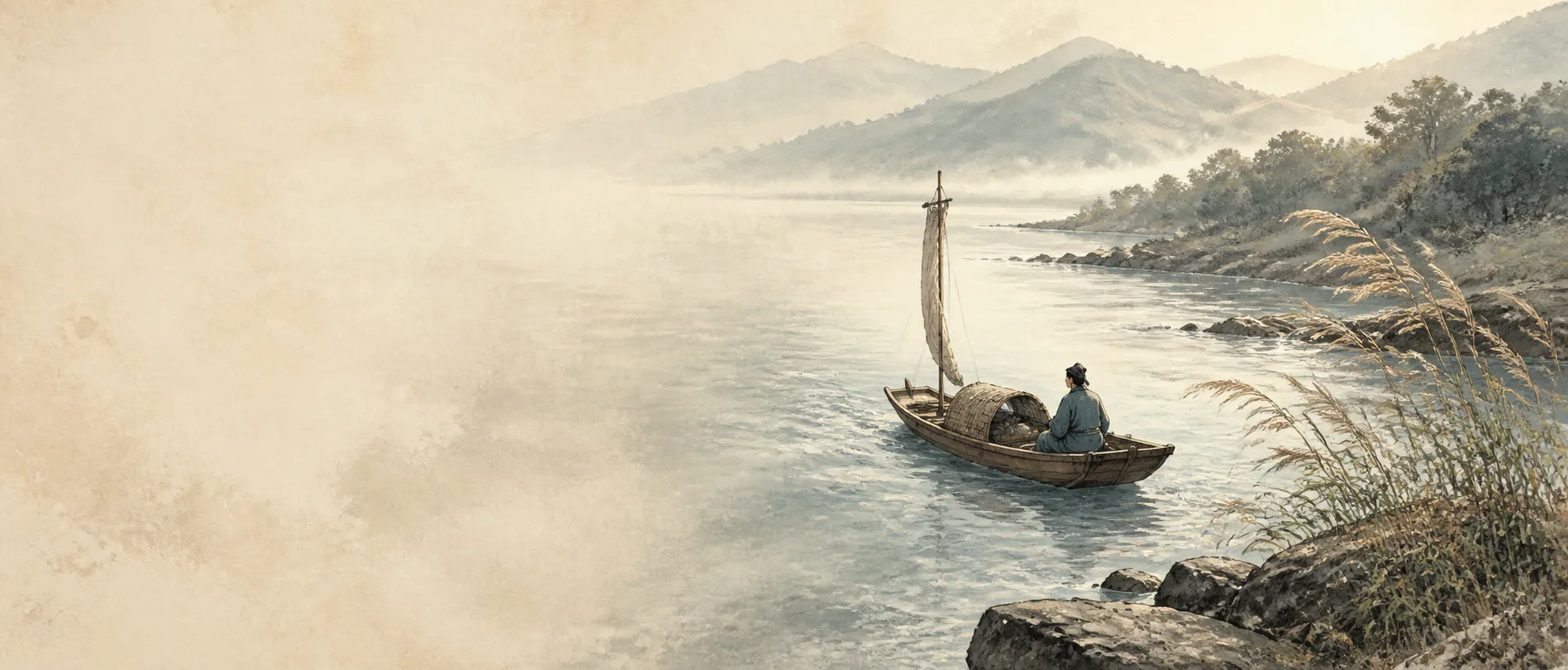
Wu Wei & Natural Living

Ziran—often translated as naturalness—adds another dimension. It points toward what is so of itself: life that is not distorted by display, excessive control or the need to imitate someone else's form. Together, wu wei and ziran describe an approach that values skill without strain and simplicity without neglect.

Five Everyday Movements

Observe before intervening

Give the situation enough attention to reveal its direction, pressures and natural points of movement.

Use the right amount of force

Do what the moment requires, but notice when extra effort is creating resistance rather than progress.

Work with timing

An action can be sound and still be mistimed. Readiness, sequence and rhythm matter.

Leave useful space

A pause in conversation, an uncluttered schedule and an unfilled room can create possibilities that constant activity closes.

Return when things become excessive

When speed, desire or complexity keeps growing, return to the purpose and remove what no longer serves it.

Practice Changes the Meaning

The craftsmen of the Zhuangzi show that ease is often the fruit of long practice. Wu wei is not a shortcut around learning. In calligraphy, martial arts, music, tea or ordinary work, natural action becomes possible when skill has been refined enough that attention can stay with the whole situation.

Related paths: Zhuangzi · Martial Arts · Wellness · Literati Arts