A path into the reading
Yin-Yang and the Five Phases in Chinese Thought
A shared language for relationship, movement, balance and change
Start here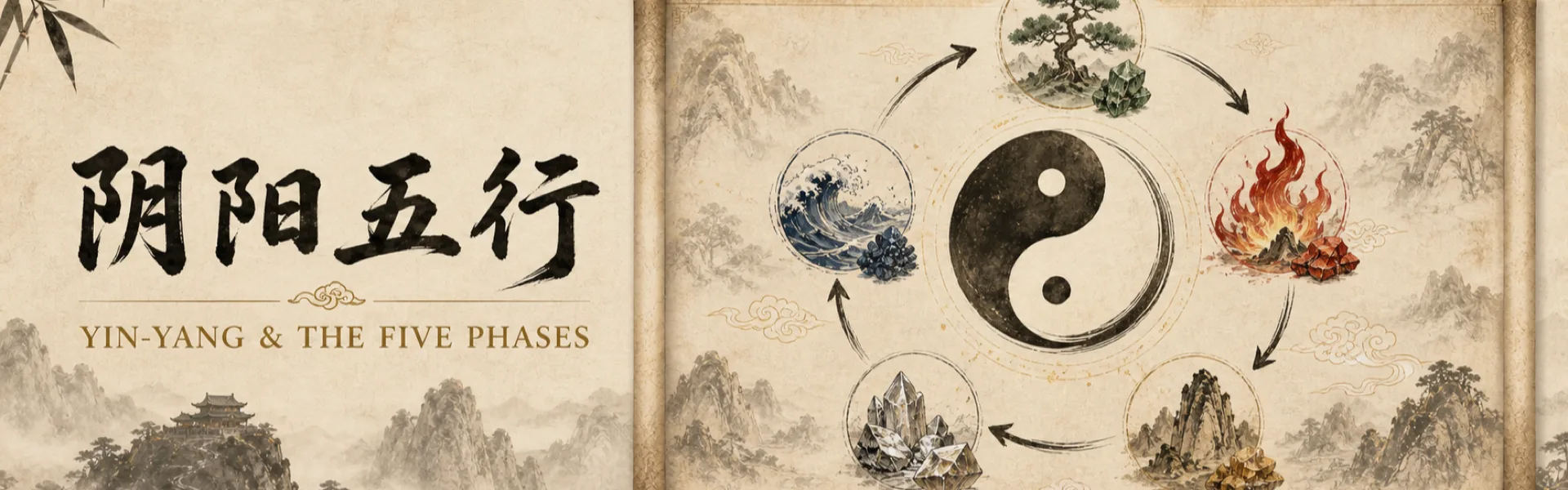
01 Find your bearings
Origins & Early History of Yin-Yang Thought
From Sunlit Hillsides to a Theory of the Cosmos
Explore this section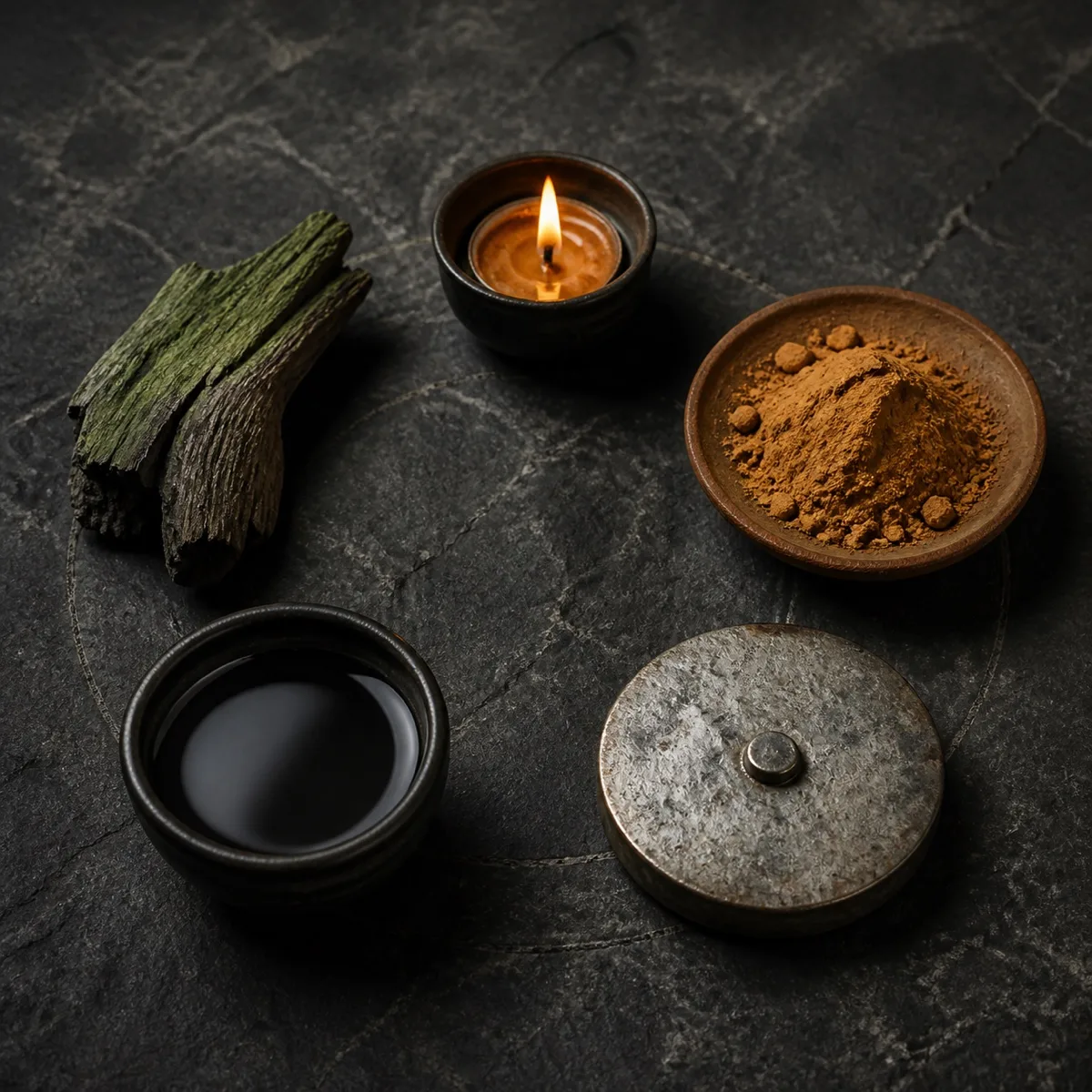
02 Explore the subject
The Generating & Controlling Cycles
How the Five Phases Nourish and Restrain One Another
Explore this section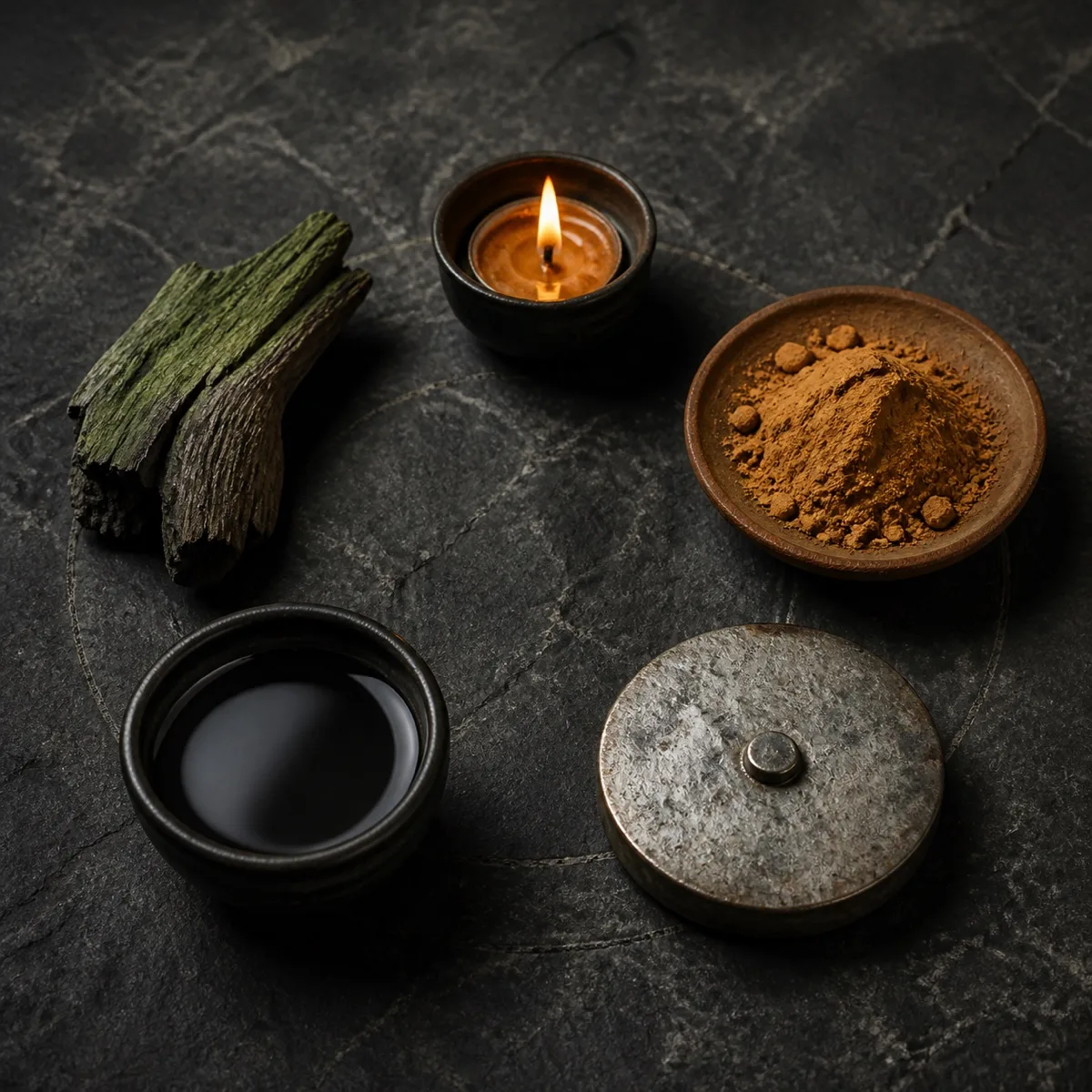
03 Keep reading
Key Sources & Further Reading
Where to Go Next to Study Yin-Yang and the Five Elements
Explore this sectionGo further
Deeper reading
- Origins & Early History of Yin-Yang ThoughtFrom Sunlit Hillsides to a Theory of the Cosmos
- The Meaning of Yin and YangHow Two Simple Words Describe an Entire Way of Seeing
- The Five Phases: Wood, Fire, Earth, Metal & WaterThe Five Movements of Change and What Each One Means
- The Generating & Controlling CyclesHow the Five Phases Nourish and Restrain One Another
- Correlative Cosmology: Body, Seasons & the CosmosThe Great Web of Correspondences That Links All Things
- Yin-Yang & the Five Elements in the Metaphysical ArtsOne Framework Behind Medicine, Feng Shui, Divination and Fate
- Key Sources & Further ReadingWhere to Go Next to Study Yin-Yang and the Five Elements
The full guide
What should I know before reading further?
Yin and yang describe relational tendencies, not substances or a contest between bad and good. The same quality may be yin in one relationship and yang in another. Darkness and light, rest and activity, inward and outward reveal contrast, alternation and mutual dependence.
Read more The complete guide
Yin and yang describe relational tendencies, not substances or a contest between bad and good. The same quality may be yin in one relationship and yang in another. Darkness and light, rest and activity, inward and outward reveal contrast, alternation and mutual dependence.
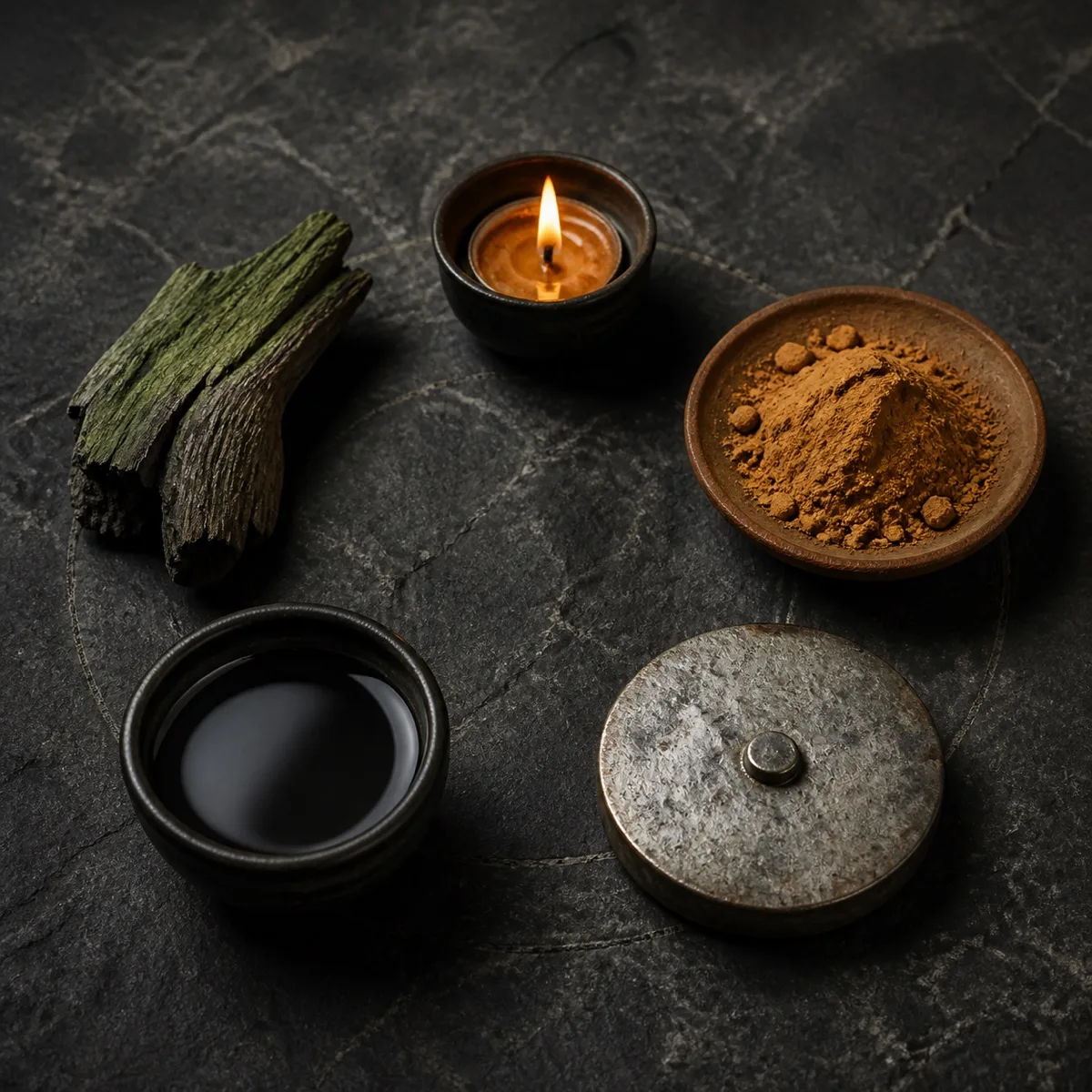
The Five Phases — Wood, Fire, Earth, Metal and Water — organise another field of movement. They are better understood as processes or phases than as five physical ingredients. Together, yin-yang and wuxing became a flexible vocabulary across philosophy, calendars, medicine, music, statecraft and the metaphysical arts, though each field uses the correspondences differently.
Relation Before Label
Yin
Often names what is receptive, inward, shaded, cooling, resting or contracting in a particular relationship.
Yang
Often names what is active, outward, bright, warming, moving or expanding in a particular relationship.
Mutual dependence
One side is recognised through the other. Sustainable movement needs alternation, not the permanent victory of one pole.
Change of position
As time and context change, what was leading may yield and what was hidden may become active.
The Five Movements
Wood
Beginning, emergence, growth and flexible extension.
Fire
Expansion, visibility, warmth and flourishing.
Earth
Centering, receiving, transforming and supporting.
Metal
Shaping, condensing, defining and letting go.
Water
Storing, descending, conserving and returning toward potential.
Generation, Regulation and Application
The generating sequence describes one phase supporting the next; the controlling sequence describes restraint and regulation. Neither cycle is a moral ranking. Generation can become excess, and control can protect a system from losing form. Other relationships — draining, insulting or overacting — belong to particular interpretive traditions and should be introduced with their source and purpose.
Correspondence tables are maps made for use, not proof that every associated colour, organ, direction, emotion, planet and life event has one universal causal link. A good article identifies the system, shows how the categories operate inside it and avoids carrying a claim from one field into another without explanation.
Health boundary: Wudang.Org may explain the historical use of yin-yang and Five Phases in Chinese medicine. Educational correspondence charts must not diagnose illness or prescribe treatment; clinical advice belongs to qualified healthcare professionals.
Continue your journey: Stems & Branches · BaZi · TAO
Recommended next page
Where next?
The Meaning of Yin and YangHow Two Simple Words Describe an Entire Way of SeeingA few alternatives