01
Qigong
How do movement, breath and attention come together?
气功
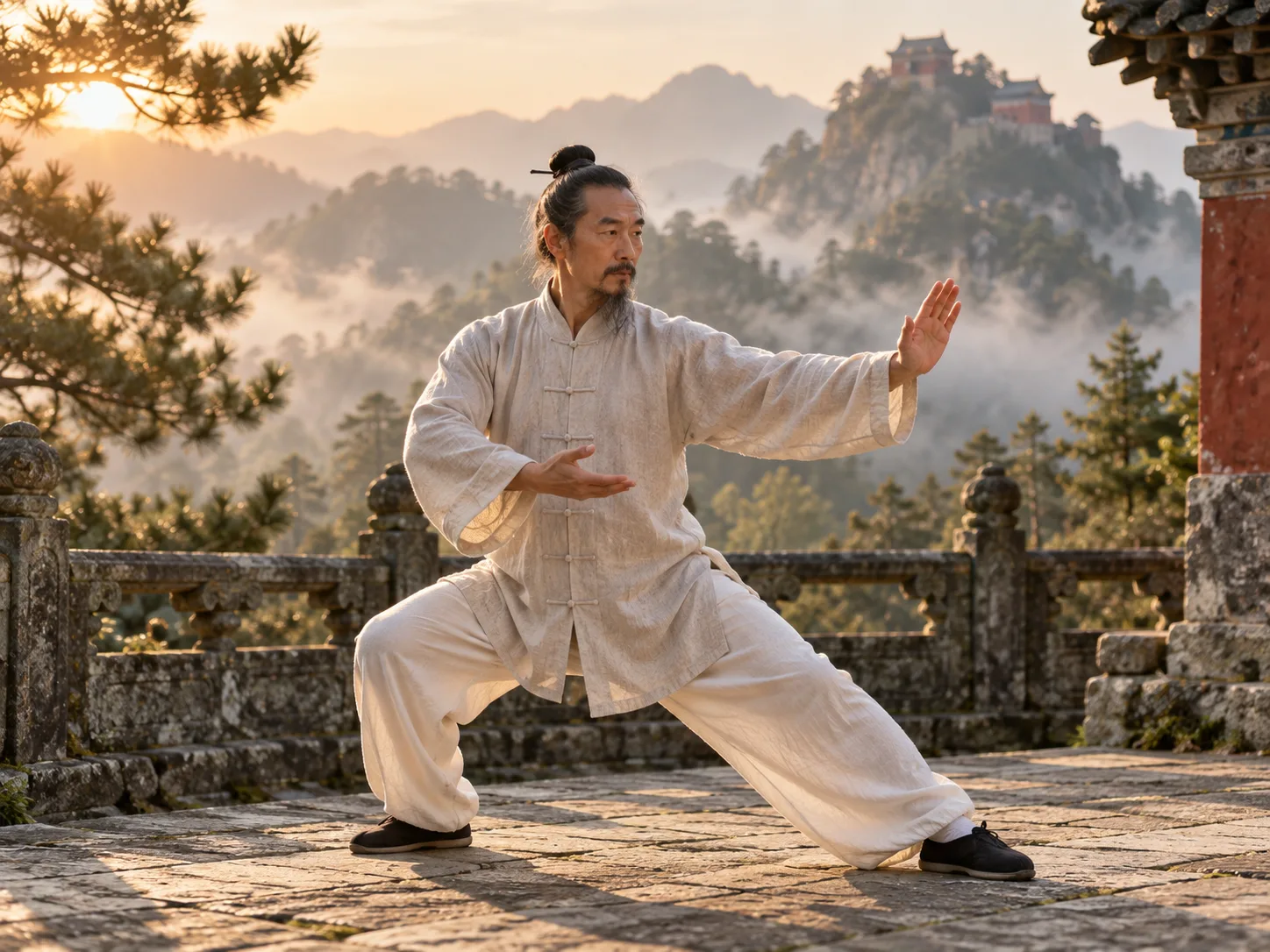
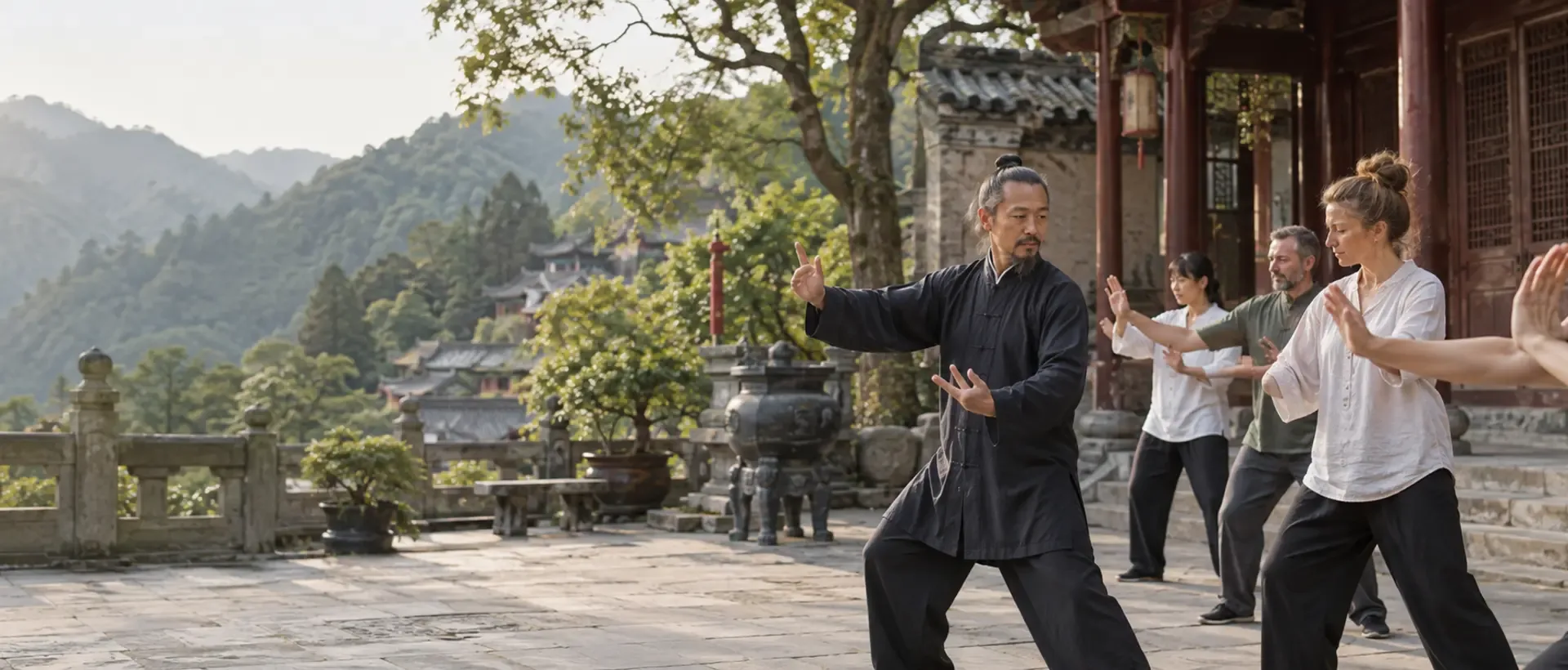
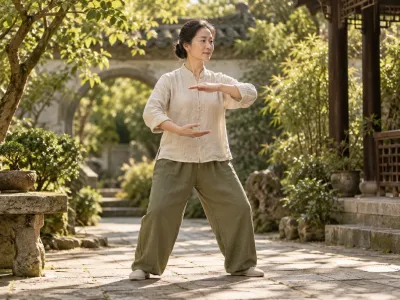
Qigong brings these elements together with posture in varied ways. Begin with the diverse Chinese traditions gathered under this name.
Get to know QigongExplore yangsheng, the Chinese tradition of nourishing life, through movement, stillness and daily rhythm. These guides place Qigong and related traditions within their cultural histories and distinguish inherited ideas from medical claims.
Start here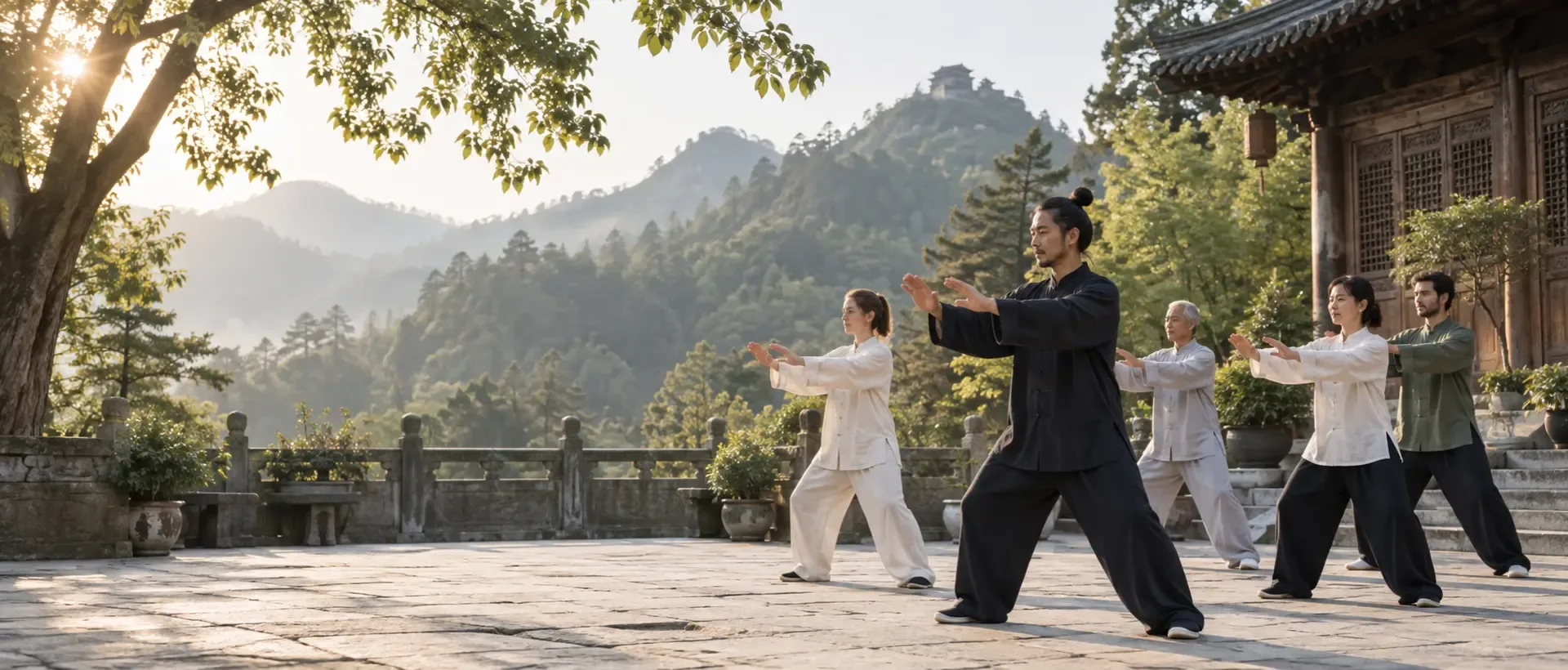
Discover the main practice families and how their forms differ.
Qigong brings these elements together with posture in varied ways. Begin with the diverse Chinese traditions gathered under this name.
Get to know Qigong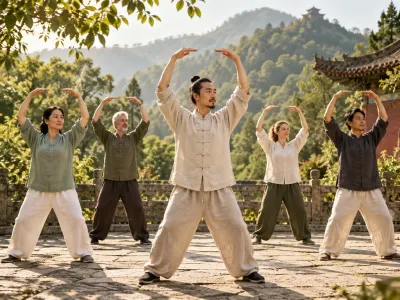
Baduanjin is an eight-part form with a history of its own. Explore the sequence and the teaching variations found across Qigong traditions.
Explore the Eight Brocades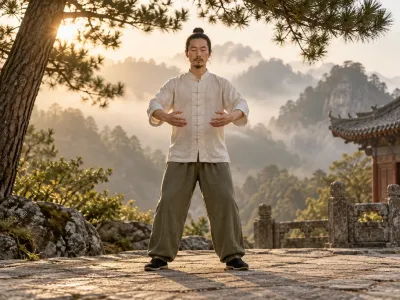
Sustained postures serve different roles in martial arts, Qigong and contemplative traditions. Learn how zhan zhuang fits into those settings.
Understand standing practice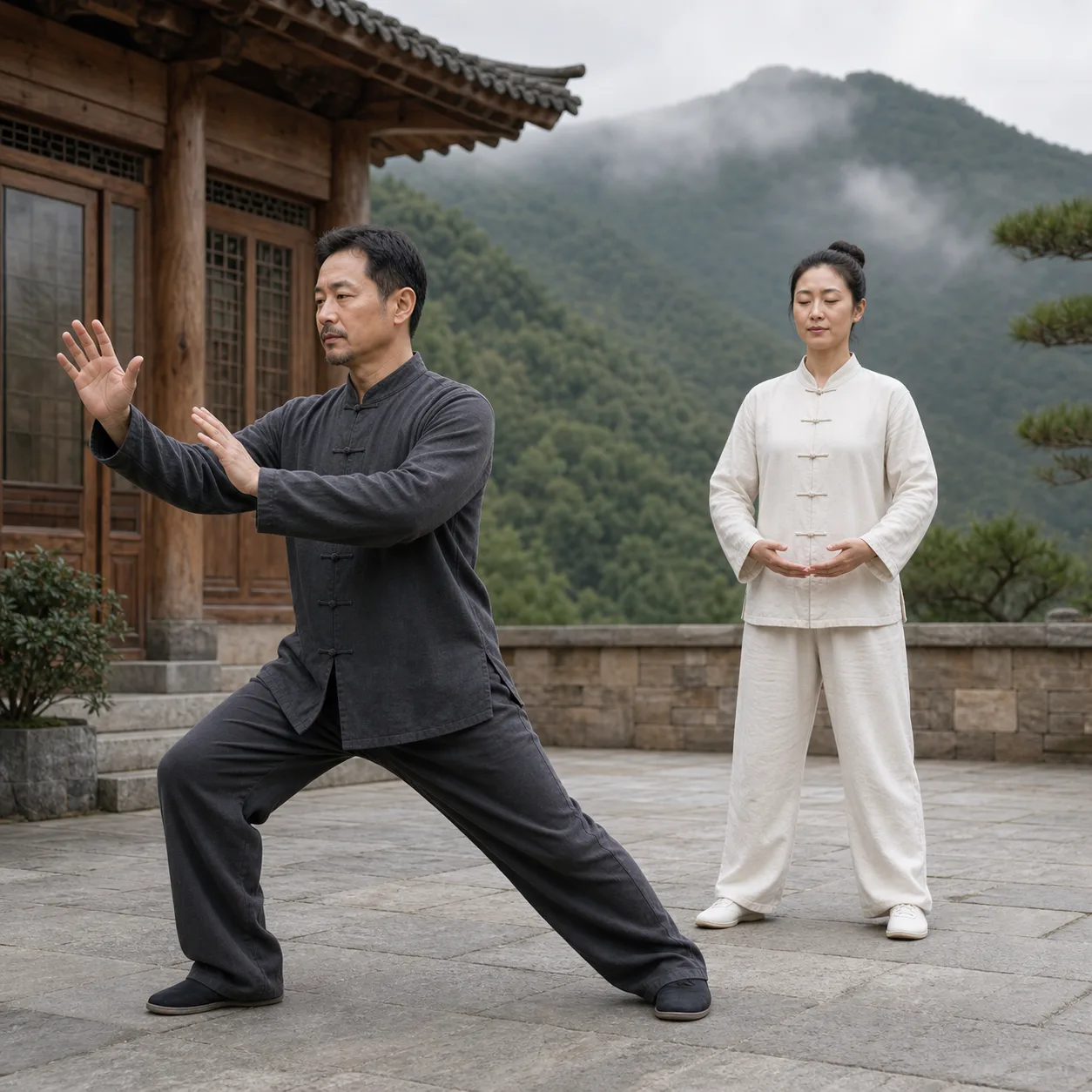
Their histories and purposes offer a useful starting point for comparison. The content of an individual class matters when deciding what to explore.
Compare Tai Chi and QigongRead about sound, quiet sitting and Wudang approaches to daily cultivation.
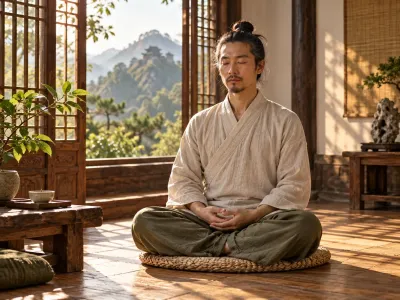
Standing, quiet sitting, recitation and martial basics sit within rhythms of everyday cultivation. Discover the Wudang contexts that give these practices meaning.
Explore daily cultivation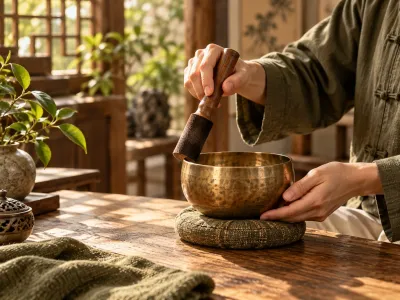
Sound, ritual and attention appear in Chinese traditions and modern wellbeing settings. Explore their different histories and the contexts behind each practice.
Trace sound practicesRead about movement, stillness and traditional approaches in their cultural setting. Compare the practices before choosing where to learn more.
Explore inherited medical and dietary ideas through history and evidence.
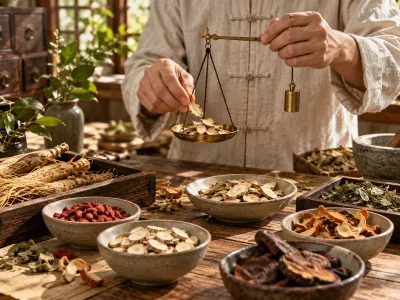
Historical texts and materia medica record inherited knowledge about herbs. Explore that history and its changing relationship with modern evidence.
Read the herbal history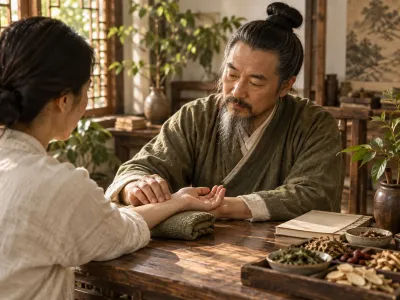
The name “Taoist medicine” covers historical ideas, practitioners and contemporary uses. Trace these connections while keeping their different contexts in view.
Trace Taoist medicine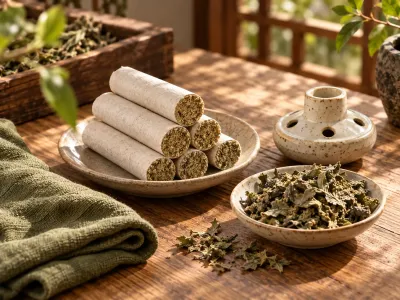
Begin with its materials, methods and cultural history. This introduction distinguishes learning about a tradition from deciding whether to seek treatment.
Read the moxibustion guide
Bigu has carried varied religious meanings through history. Read that background alongside the cautions surrounding modern fasting claims.
Examine Bigu’s historyThe full guide
Yangsheng — nourishing life — begins with a simple question: what helps life remain steady, responsive and well cared for over time? In Chinese traditions, the answer has included movement and stillness, breathing and rest, food and season, emotion and daily rhythm. It is a way of attending to life, not a promise that illness can be prevented or cured by discipline alone.
Yangsheng — nourishing life — begins with a simple question: what helps life remain steady, responsive and well cared for over time? In Chinese traditions, the answer has included movement and stillness, breathing and rest, food and season, emotion and daily rhythm. It is a way of attending to life, not a promise that illness can be prevented or cured by discipline alone.
Wudang gives this search a distinctive setting. Qigong, standing, internal cultivation, martial practice and Taoist teachings meet within a culture shaped by mountain, temple and continuing practice. Begin with a gentle foundation, then choose deeper guidance only when the method, teacher and purpose are clear.
Start with the question you want to answer. You can explore the ideas before choosing a class, and reading about a practice does not commit you to trying it. The topic directory brings together the full collection; these four starting points help you choose your first article.
Begin with Qigong for an introduction to posture, breathing and attention. If you are deciding between a qigong class and taijiquan, read the comparison guide next. Compare what the actual classes teach, rather than assuming one label always means easier or gentler.
Read the Qigong introduction · Compare Tai Chi and Qigong
Explore Baduanjin, often called the Eight Brocades. The guide introduces its history, the eight sections and how practice can vary. Use it to understand what a teacher is offering; written descriptions alone cannot show whether a movement suits you.
Read Standing Practice to understand how a held posture draws attention to balance and effort. Stillness does not necessarily mean little physical demand. The useful question is how the posture, support and duration can be adapted, rather than how long you can endure it.
Explore Wudang Internal Cultivation for the relationship between body, breath, attention and daily conduct. Different teachers and traditions give these ideas different forms. A cultural overview helps you ask informed questions; it does not establish the lineage or syllabus of a particular course.
Read about Wudang Internal Cultivation
Choose walking, Qigong, Taijiquan or another suitable activity that can become part of ordinary life.
Use the breath as feedback. Do not force retention, depth or unusual sensation in a beginner practice.
Progress is not measured by how much discomfort can be endured. Recovery belongs inside the practice.
Regular sleep, meals, activity and quiet time usually matter more than occasional extremes.
Gentle movement and attention practices may be accessible to many people, but not every method is suitable for every body or health condition. Choose a teacher who can explain the method, level, physical demands, adaptations and limits. Clinical services must follow local professional regulation; new or worsening symptoms need appropriate medical care.
Urgent symptoms: chest pain, fainting, severe breathlessness, sudden weakness, confusion, major bleeding, a serious burn or signs of severe allergic reaction require urgent medical attention. Do not use a wellness article, teacher or retreat as a substitute for emergency care.
A useful course description tells you what you will actually do. Before booking, ask for clear answers to these questions.
Ask for the name of the method, the beginner level and a simple outline of the session. Will you learn a sequence, repeat a few movements, hold postures or work with a partner? Check the teaching language and how the teacher gives feedback. A course title cannot answer these questions on its own.
Explain any practical access needs, such as difficulty standing for long periods, and ask what alternatives are available. Check whether you can rest, decline partner contact and decide separately about being photographed or filmed. Ask about the instructor’s relevant training and experience. For a medical condition or pregnancy, discuss a new practice with your health-care professional; a class is not a substitute for care.
Confirm who provides the class, where and when it takes place, the total fee, what is included and the cancellation terms. Look for an explanation of the provider’s relationship with Wudang.Org. If a listing leaves something unclear, ask before paying. An event date or teacher mentioned in an article is not evidence of a currently available place.
Keep the choice modest: one clearly described class is enough to begin asking better questions. Afterward, consider whether the teaching was understandable, whether adaptations were respected and whether you want to continue. There is no need to commit to a long course at the first meeting.