A path into the reading
Chinese Feng Shui: Landscape, Compass Methods and Responsible Practice
How traditional Chinese approaches interpret landforms, orientation, time and the practical use of places
Start here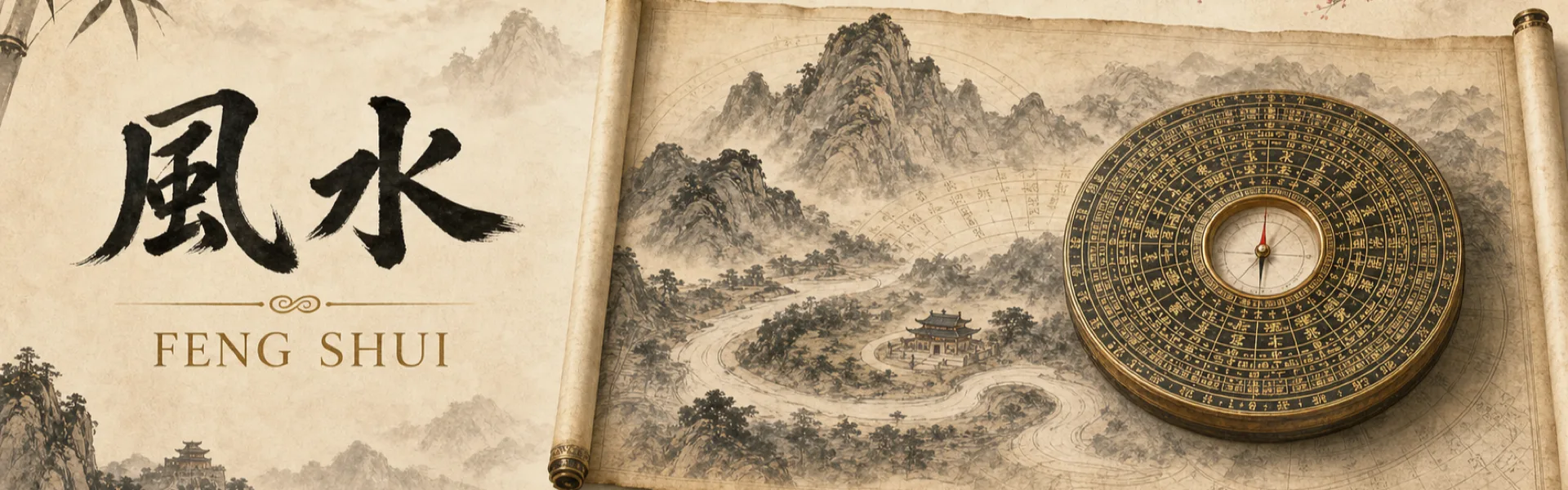
01 Find your bearings
Origins and History of Chinese Feng Shui
From early settlement and burial siting to form schools, compass methods and modern practice
Explore this section
02 Explore the subject
Feng Shui Compass School: How the Luopan Is Used
Directions, the twenty-four mountains, time cycles and technical systems of site analysis
Explore this section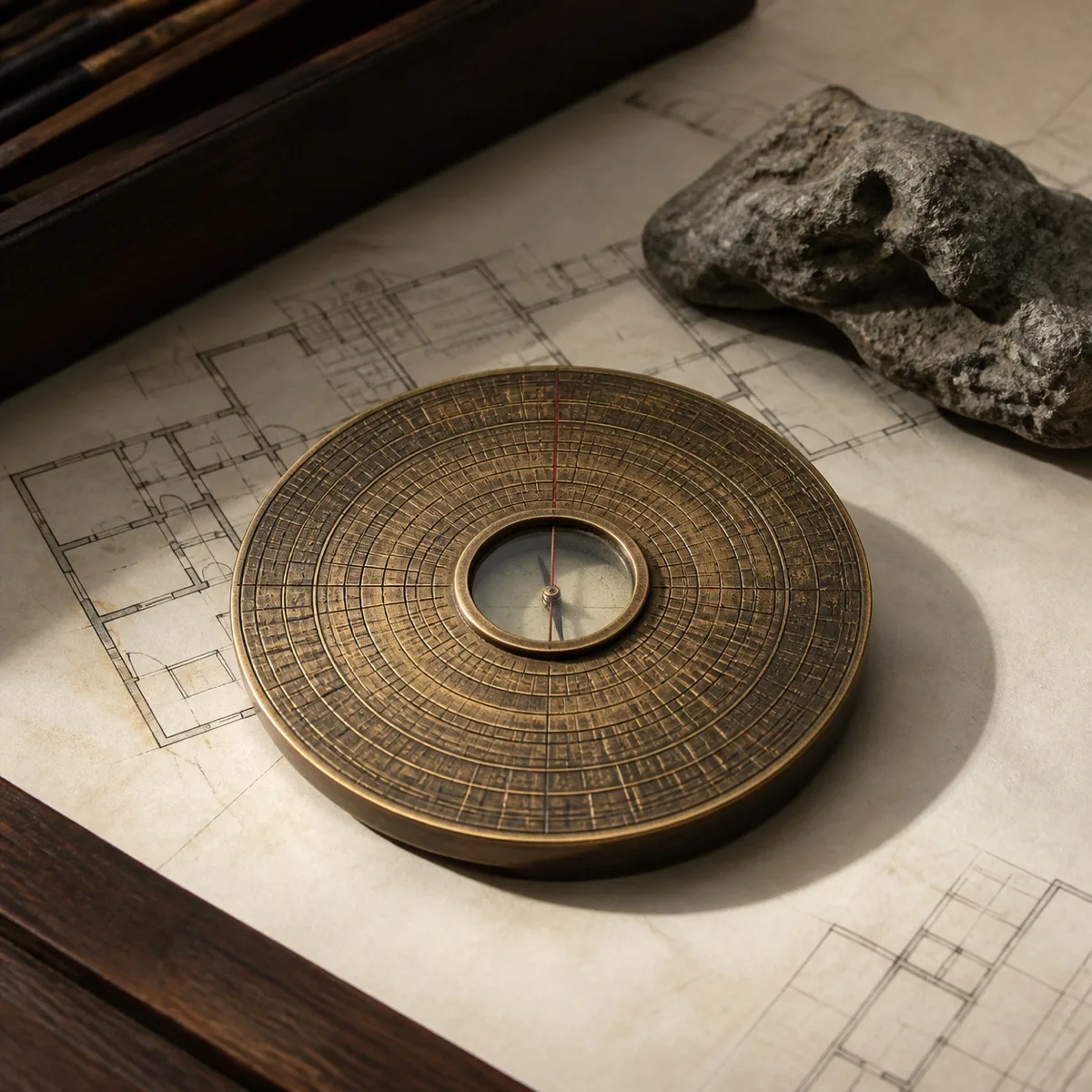
03 Keep reading
Chinese Feng Shui Sources: Classical Texts and Further Reading
A guided reading list for history, cosmology, landscape, architecture and modern transmission
Explore this sectionGo further
Deeper reading
- Origins and History of Chinese Feng ShuiFrom early settlement and burial siting to form schools, compass methods and modern practice
- Qi, the Feng Shui Compass and the Two SchoolsHow environmental qi, directional measurement and two broad approaches organise traditional feng shui
- Feng Shui Form School: How Landscapes Are ReadMountains, ridges, water, shelter and approach in traditional site interpretation
- Feng Shui Compass School: How the Luopan Is UsedDirections, the twenty-four mountains, time cycles and technical systems of site analysis
- Feng Shui for Homes and Graves: Yangzhai and YinzhaiHow traditional site principles were applied differently to living spaces and ancestral burial places
- Feng Shui Today: Homes, Cities, Design and Cultural PracticeHow an old Chinese tradition adapted to apartments, workplaces, global audiences and modern knowledge
- Chinese Feng Shui Sources: Classical Texts and Further ReadingA guided reading list for history, cosmology, landscape, architecture and modern transmission
The full guide
What should I know before reading further?
Feng Shui is a family of Chinese traditions for siting, orienting and interpreting places. It has been used in relation to settlements, cities, homes, temples and graves, and it continues to change across regions and schools. A serious introduction begins with the actual site: landform, water, approach, exposure, entrances, rooms and the way people move through them.
Read more The complete guide
Feng Shui is a family of Chinese traditions for siting, orienting and interpreting places. It has been used in relation to settlements, cities, homes, temples and graves, and it continues to change across regions and schools. A serious introduction begins with the actual site: landform, water, approach, exposure, entrances, rooms and the way people move through them.
Compass directions, time cycles and symbolic correspondences can add further layers, but there is no single formula shared unchanged by every lineage. Wudang.Org teaches the main questions and differences clearly before presenting one practitioner's method as universal Feng Shui.
Form, Orientation and Time
Landscape and form
Observe terrain, water, roads, neighbouring forms, shelter, exposure and the shape and circulation of the site.
Orientation and compass
Establish a reliable facing and sitting direction, explain how it was measured and identify the compass framework being used.
Time
Some schools relate a building and its use to calendrical periods. State the school, construction or occupation assumptions and calculation rules.
People and purpose
A bedroom, shop, school and temple support different activities. Recommendations must respond to real users and practical needs.
What a Responsible Consultation Includes
A practitioner should inspect the site or clearly state the limits of a remote review. The client should know which school is being used, what plans and measurements are required, what the fee includes and which recommendations are essential, optional or purely symbolic.
Building safety, structural work, fire escape, accessibility, conservation, planning approval, electrical work and tenancy rules remain matters for qualified professionals and relevant authorities. Feng Shui advice must fit those realities, not override them.
No fear-based selling: no declaring a home cursed, predicting disaster or pressuring a client to buy objects, renovations or repeated remedies from the same practitioner. Proportionate options are given and commercial interests disclosed.
Wudang, Landscape and Architecture
Wudang's temples and routes reveal an exceptional relationship among mountain terrain, architecture, pilgrimage and Taoist culture. That landscape is a powerful way to introduce Chinese ideas of place. Individual claims about a building's Feng Shui, however, should be tied to documented plans, inscriptions, historical study or a clearly identified interpretive school.
Go Deeper
Landscape and Form — Study ridges, water, approach, enclosure and exposure before reaching for decorative remedies.
Compass and Luopan — Understand what is being measured and why different rings and schools produce different analytical layers.
Feng Shui Today — Apply traditional questions with clear limits in contemporary homes, workplaces and public spaces.
Continue your journey: Yin-Yang & Five Phases · Wudang Mountain
Recommended next page
Where next?
Qi, the Feng Shui Compass and the Two SchoolsHow environmental qi, directional measurement and two broad approaches organise traditional feng shuiA few alternatives