BaZi Readings Today: Interpretation, Responsibility and Limits

今日八字解读:意义、责任与界限

BaZi remains a living interpretive art throughout the Chinese-speaking world and its diaspora. People consult it at important thresholds—marriage, naming a child, career changes, business openings and the beginning of a new year—because it offers a traditional language for timing, character and the changing seasons of life.
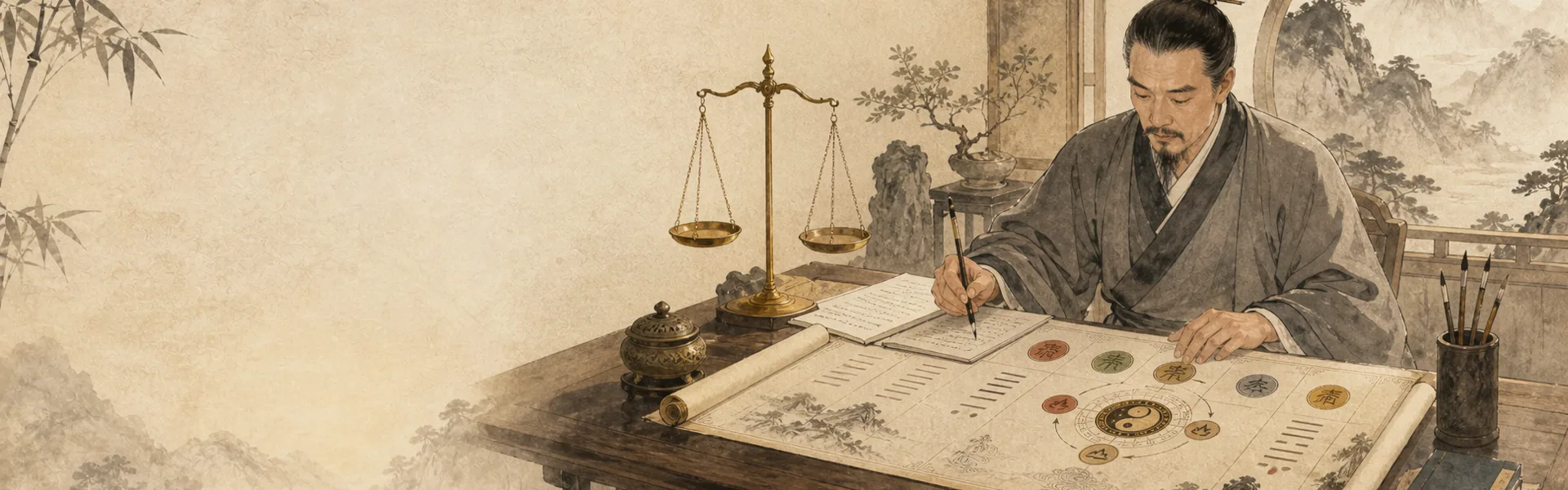
BaZi Readings Today: Interpretation, Responsibility and Limits

BaZi as a living practice

A chart brings the year, month, day and hour of birth into a structured relationship through yin and yang, the Five Phases, the Day Master, the Ten Gods and the Luck Pillars. Practitioners read these relationships as patterns of tendency and opportunity. Different lineages emphasise different methods, so skilled interpretation includes both technical knowledge and sensitivity to the person seeking guidance.

Meaning, reflection and orientation

Many people value BaZi because a consultation creates time to consider temperament, relationships, work and priorities together. Its vocabulary can make recurring patterns easier to discuss and can encourage patience, preparation or timely action. The strongest readings open possibilities and support reflection rather than reducing a person to a fixed verdict.

Traditional knowledge and modern perspective

BaZi belongs to a historical system of correlative cosmology rather than to experimentally established prediction. Its methods express a coherent cultural framework linking human life with cycles of time. Presenting that framework clearly allows readers to appreciate its depth while understanding that interpretations are guidance shaped by tradition, lineage and practitioner judgement.

The practitioner’s responsibility

Responsible practitioners avoid fear-based claims, fixed predictions of illness or death and pressure to purchase remedies. Important medical, legal, financial and relationship decisions should draw on the relevant real-world information and professional advice. BaZi is most constructive when it complements personal judgement and encourages thoughtful action.

Where BaZi sits in Chinese thought

BaZi is one branch of the broader tradition that uses yin-yang, the Five Phases, stems and branches to understand change. Studying it reveals how calendars, cosmology, medicine and personal interpretation have interacted across Chinese history. Its continuing practice shows how an old framework can remain meaningful while adapting to modern life.

Key points

  • BaZi is a living traditional art used at major life transitions.

  • Its value includes structured reflection, cultural continuity and a language for timing and tendency.

  • Lineages differ, making practitioner judgement an important part of every reading.

  • Responsible readings support choice and agency rather than fear or fatalism.