Safety & Responsible Use
安全与负责任的使用
Chinese herbal medicine is a living clinical tradition built around detailed knowledge of plants, formulas, preparation and individual patterns. Because herbs are pharmacologically active, respectful practice includes careful sourcing, appropriate dosing, awareness of interactions and coordination with qualified medical care.
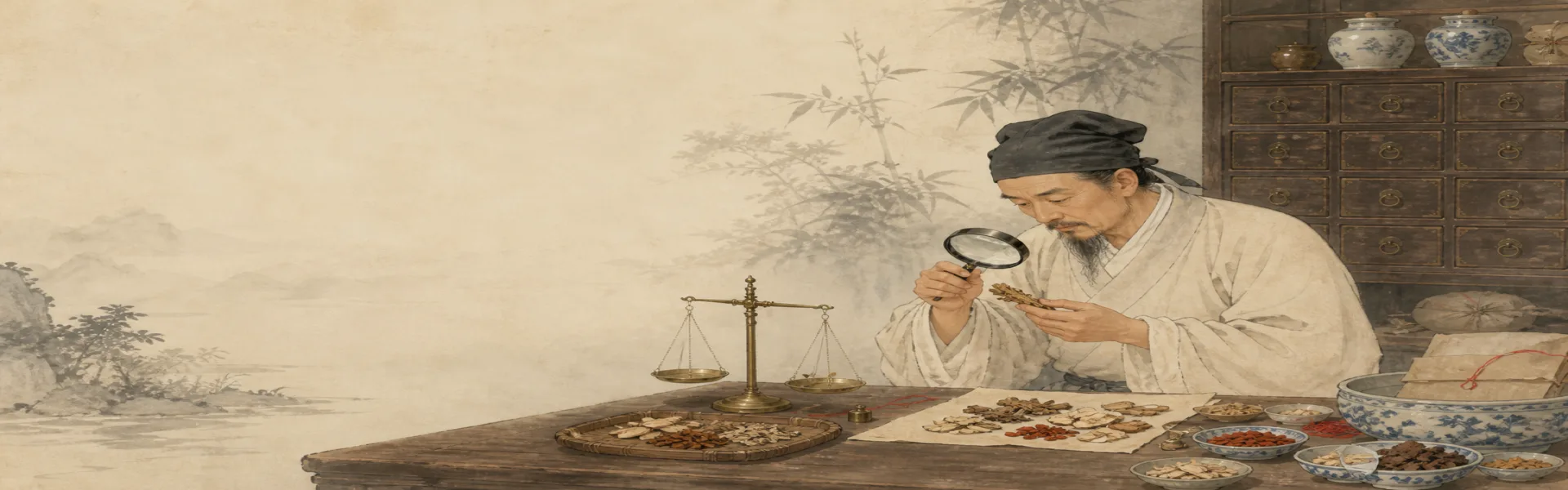
Active medicines deserve careful use
Herbal substances can produce meaningful physiological effects. The same activity that makes an herb useful also makes correct identification, preparation and dosage important. Long experience contributes valuable practical knowledge, while modern pharmacology and safety monitoring add tools for recognising delayed reactions, interactions and risks that may be uncommon.
Quality and identification
Use products from regulated suppliers that provide clear botanical identification, batch testing and contamination controls. Substitution between similarly named materials is a recognised source of risk. Aristolochic-acid-containing species should never be used, and products associated with undeclared pharmaceuticals, heavy metals or inaccurate labelling should be avoided.
Working alongside medical care
Tell your doctor and qualified herbal practitioner everything you take, including teas, powders, pills and supplements. This is especially important with anticoagulants, immunosuppressants, diabetes medicines and drugs with a narrow therapeutic range. Herbal care should complement, rather than replace, timely diagnosis and effective treatment for serious illness.
Who should take extra care
Pregnant or breastfeeding people, children, older adults, people with liver or kidney disease and anyone preparing for surgery need individual professional guidance. Stop a new product and seek medical advice if jaundice, dark urine, severe nausea, unusual bleeding, swelling, breathing difficulty or another significant reaction appears.
Tradition, research and responsible practice
Some herbal medicines have well-established modern applications, while many traditional formulas are still being studied. A responsible approach values the accumulated clinical tradition, welcomes good research and keeps patient safety at the centre. The aim is informed use: suitable materials, skilled practitioners, transparent communication and realistic expectations.
Key points
Choose qualified practitioners and regulated, clearly identified products.
Share your complete medicine and supplement list with every practitioner involved in your care.
Use herbal medicine alongside appropriate diagnosis and treatment.
Respect the tradition by applying its remedies with the same care expected of any active medicine.