Chapter Eight: Shuo Fu 说符
第八篇:说符
Shuo Fu, “Explaining Conjunctions,” closes the Liezi with a rapid series of practical stories. Instead of one continuous argument, it studies the point where an action meets its conditions and produces a result: a reputation follows conduct like an echo, the same advice succeeds in one state and ruins a person in another, surveillance defeats one thief but strengthens the causes of theft, and a good intention creates harm when the surrounding system is ignored.
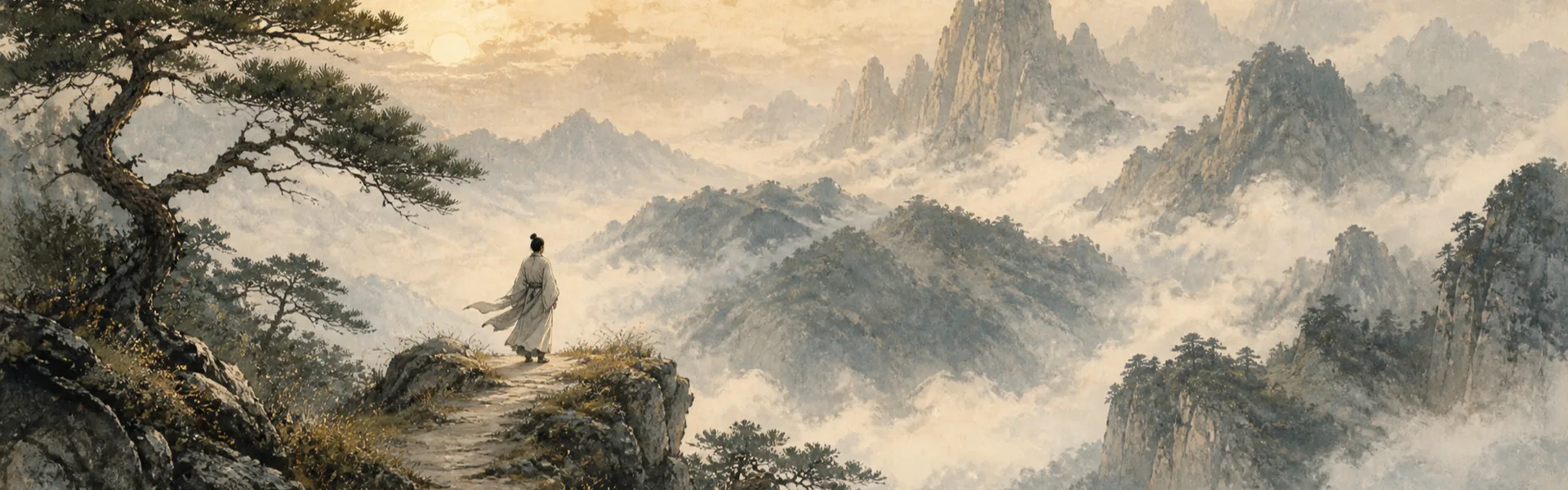
The chapter’s method is situational. Rules, talents, rewards, appearances, and names never work by themselves; their meaning emerges through timing, motive, attention, power, and consequence. Its modern lesson is not that anything can mean anything. It is that sound judgement must trace relationships: understand why a result occurred, test whether conditions still match, look for indirect effects, and keep perception open when desire or suspicion begins selecting the evidence.
1. Shadow, Echo, and What Conduct Sends Out
Classical text
子列子學於壺丘子林。壺丘子林曰:「子知持後,則可言持身矣。」列子曰:「願聞持後。」曰:「顧若影,則知之。」列子顧而觀影,形枉則影曲,形直則影正。然則枉直隨形而不在影,屈申任物而不在我。此之謂持後而處先。關尹謂子列子曰:「言美則響美,言惡則響惡;身長則影長,身短則影短。名也者,響也;身也者,影也。故曰:慎爾言,將有和之;慎爾行,將有隨之。是故聖人見出以知入,觀往以知來,此其所以先知之理也。度在身,稽在人。人愛我,我必愛之;人惡我,我必惡之。湯武愛天下,故王;桀紂惡天下,故亡,此所稽也。稽度皆明而不道也,譬之出不由門,行不從徑也。以是求利,不亦難乎?嘗觀之神農有炎之德,稽之虞、夏、商、周之書,度諸法士賢人之言,所以存亡廢興而非由此道者,未之有也。」嚴恢曰:「所爲問道者爲富。今得珠亦富矣,安用道?」子列子曰:「桀紂唯重利而輕道,是以亡。幸哉余未汝語也。人而無義,唯食而已,是雞狗也。彊食靡角,勝者爲制,是禽獸也。爲雞狗禽獸矣,而欲人之尊己,不可得也。人不尊己,則危辱及之矣。」
English reading
A shadow bends with the body; an echo answers the quality of the sound. Reputation and response are therefore “behind” conduct, even though attention usually runs ahead to them. To hold what follows, begin with what sends it out. Guan Yin treats social reaction as evidence that can be studied, not as a prize controlled directly.
The final exchange distinguishes the Way from possession. A pearl can make someone rich, but profit without justice leaves only competition by force. Respect cannot be demanded after conduct has made trust impossible.
Practical meaning
Manage the source before managing the image. Improve the behaviour, product, relationship, or policy that creates feedback; then use reputation as information, not as a substitute for reality.
2. Hitting the Target Is Not Yet Knowing Why
Classical text
列子學射,中矣,請於關尹子。尹子曰:「子知子之所以中者乎?」對曰:「弗知也。」關尹子曰:「未可。」退而習之。三年,又以報關尹子。尹子曰:「子知子之所以中乎?」列子曰:「知之矣。」關尹子曰:「可矣,守而勿失也。非獨射也,爲國與身亦皆如之。故聖人不察存亡而察其所以然。」
English reading
Liezi can hit the target, but Guan Yin refuses to call the skill complete until he understands the conditions that produced the hit. After three more years, the result has become explainable and therefore more repeatable. The principle applies to governing and self-cultivation as much as archery.
A visible success may come from technique, favourable conditions, compensation for an error, or chance. Without causal understanding, copying the surface can reproduce neither the result nor the safety.
Practical meaning
After success, ask what actually caused it, what was merely present, and what could break next time. Keep records and test the explanation under changed conditions before calling a method reliable.
3. Strong Leaders Still Need People Who Will Tell Them
Classical text
列子曰:「色盛者驕,力盛者奮,未可以語道也。故不班白語道,失,而況行之乎?故自奮則人莫之告。人莫之告,則孤而無輔矣。賢者任人,故年老而不衰,智盡而不亂。故治國之難在於知賢而不在自賢。」
English reading
Youth, beauty, strength, and confidence can make a person hard to advise. When someone continually displays superiority, others stop bringing information; isolation follows, even while the person feels powerful. A wise leader relies on capable people, so ageing or the limit of personal knowledge does not collapse the whole system.
The difficulty of government is not being the wisest person in every matter. It is recognizing judgement in others and making it safe for that judgement to reach the centre.
Practical meaning
Reward early warnings and disagreement. Ask advisers what they believe you do not want to hear, and show through decisions that honest correction does not end a career or relationship.
4. The Jade Leaf and the Cost of Cleverness
Classical text
宋人有爲其君以玉爲楮葉者,三年而成。鋒殺莖柯,毫芒繁澤,亂之楮葉中而不可別也。此人遂以巧食宋國。子列子聞之,曰:「使天地之生物,三年而成一葉,則物之有葉者寡矣。故聖人恃道化而不恃智巧。」
English reading
An artisan spends three years making a jade leaf indistinguishable from a real one and is rewarded for extraordinary skill. Liezi answers that if nature required three years for every leaf, foliage would be rare. The marvel is precise but radically inefficient compared with living generation.
The story does not despise craft. It asks whether cleverness serves a purpose proportionate to its cost, and whether an institution rewards spectacle while ignoring processes that quietly produce abundance.
Practical meaning
Before celebrating a complex solution, compare it with simpler, regenerative, and maintainable alternatives. Precision is valuable when the need requires it; otherwise complexity can become expensive theatre.
5. Why Liezi Refuses the Gift of Grain
Classical text
子列子窮,容貌有饑色。客有言之鄭子陽者曰:「列禦寇蓋有道之士也,居君之國而窮,君無乃爲不好士乎?」鄭子陽即令官遺之粟。子列子出見使者,再拜而辭。使者去。子列子入,其妻望之而拊心曰:「妾聞爲有道者之妻子皆得佚樂。今有饑色,君過而遺先生食。先生不受,豈不命也哉?」子列子笑謂之曰:「君非自知我也。以人之言而遺我粟,至其罪我也,又且以人之言,此吾所以不受也。」其卒,民果作難而殺子陽。
English reading
Liezi is hungry yet refuses grain from the ruler. The gift did not arise from direct knowledge, but from another person’s comment about appearances. A ruler who rewards on hearsay may later condemn on hearsay. Accepting relief could create dependence on the same unstable judgement.
His wife’s frustration is reasonable; philosophical independence imposes material costs on a household. The story therefore presents a hard tradeoff, not a general command to reject help.
Practical meaning
When receiving patronage, ask what obligation, visibility, or political risk accompanies it and whether the process is stable and transparent. Independence matters, but decisions should include those who will share the cost.
6. The Same Skill Meets a Different Time
Classical text
魯施氏有二子,其一好學,其一好兵。好學者以術干齊侯,齊侯納之,以爲諸公子之傅。好兵者之楚,以法干楚王,王悅之,以爲軍正。祿富其家,爵榮其親。施氏之鄰人孟氏同有二子,所業亦同,而窘於貧。羨施氏之有,因從請進趨之方。二子以實告孟氏。孟氏之一子之秦,以術干秦王。秦王曰:「當今諸侯力爭,所務兵食而已。若用仁義治吾國,是滅亡之道。」遂宮而放之。其一子之衛,以法干衛侯,衛侯曰:「吾弱國也,而攝乎大國之間。大國吾事之,小國吾撫之,是求安之道。若賴兵權,滅亡可待矣。若全而歸之,適於他國,爲吾之患不輕矣。」遂刖之,而還諸魯。既反,孟氏之父子叩胸而讓施氏。施氏曰:「凡得時者昌,失時者亡。子道與吾同,而功與吾異,失時者也,非行之謬也。且天下理無常是,事無常非。先日所用,今或棄之;今之所棄,後或用之。此用與不用,無定是非也。投隙抵時,應事無方,屬乎智。智苟不足,使若博如孔丘,術如呂尚,焉往而不窮哉?」孟氏父子舍然無慍容,曰:「吾知之矣。子勿重言!」
English reading
Two brothers prosper by offering scholarship and military expertise to states that need them. Neighbours copy the method in different states and are mutilated because the same proposals appear dangerous under different strategic conditions. Content alone did not determine reception; timing and institutional need did.
The conclusion does not make right and wrong arbitrary. It distinguishes enduring values from situational usefulness. Intelligence includes testing where, when, and to whom a method can be offered safely.
Practical meaning
Do not transfer a successful playbook without mapping the new environment: goals, incentives, threats, authority, culture, and readiness. Adapt the form while keeping the purpose visible.
7. Before Attacking, Look Back at Your Own Exposure
Classical text
晉文公出會,欲伐衛,公子鋤仰天而笑。公問:「何笑?」曰:「臣笑鄰之人有送其妻適私家者,道見桑婦,悅而與言。然顧視其妻,亦有招之者矣。臣竊笑此也。」公寤其言,乃止,引師而還。未至,而有伐其北鄙者矣。
English reading
A man pursues another woman while someone else approaches his own wife. The image warns Duke Wen, who is preparing to attack Wei while his own frontier is exposed. He turns the army home and soon discovers the threat was real.
Aggression narrows attention toward the desired gain and away from what must still be protected. The adviser succeeds through analogy rather than direct accusation, allowing the ruler to see the pattern himself.
Practical meaning
Before expansion, conflict, or a major new project, conduct a home-front review: capacity, security, maintenance, dependants, and opportunity cost. Growth can create the vulnerability that defeats it.
8. Surveillance Catches Thieves; Trustworthy Order Reduces Theft
Classical text
晉國苦盜。有郄雍者,能視盜之貌,察其眉睫之間,而得其情。晉侯使視盜,千百無遺一焉。晉侯大喜,告趙文子曰:「吾得一人,而一國之盜爲盡矣,奚用多爲?」文子曰:「吾君恃伺察而得盜,盜不盡矣,且郄雍必不得其死焉。」俄而羣盜謀曰:「吾所窮者郄雍也。」遂共盜而殘之。晉侯聞而大駭,立召文子而告之曰:「果如子言,郄雍死矣!然取盜何方?」文子曰:「周諺有言:察見淵魚者不祥,智料隱匿者有殃。且君欲無盜,莫若舉賢而任之,使教明於上,化行於下,民有恥心,則何盜之爲?」於是用隨會知政,而羣盜奔秦焉。
English reading
Xiyong identifies thieves by subtle facial signs and appears able to solve theft through perfect detection. The thieves respond by killing the detector. A system centred on one observer catches individuals but leaves motive, organization, and social conditions intact.
Zhao Wenzi recommends competent government and public norms that reduce the production and support of theft. Prevention and legitimacy reach where surveillance cannot. The story also warns against unsafe concentration of enforcement knowledge in one person.
Practical meaning
Use detection as one layer, not the whole strategy. Reduce incentives and opportunities for harm, make reporting safe, distribute knowledge, and examine whether enforcement itself creates escalation or hidden risk.
9. The Swimmer Enters the Water without Private Resistance
Classical text
孔子自衛反魯,息駕乎河梁而觀焉。有懸水三十仞,圜流九十里,魚鼈弗能游,黿鼉弗能居,有一丈夫方將厲之。孔子使人並涯止之,曰:「此懸水三十仞,圜流九十里,魚鼈弗能游,黿鼉弗能居也。意者難可以濟乎?」丈夫不以錯意,遂度而出。孔子問之曰:「巧乎?有道術乎?所以能入而出者,何也?」丈夫對曰:「始吾之入也,先以忠信;及吾之出也,又從以忠信。忠信錯吾軀於波流,而吾不敢用私,所以能入而復出者,以此也。」孔子謂弟子曰:「二三子識之!水且猶可以忠信誠身親之,而況人乎?」
English reading
A swimmer crosses a torrent where even aquatic animals cannot live. He describes entering and leaving with complete trust, placing his body within the current without imposing a private struggle against it. Skill has become alignment with the water’s movement.
This should not encourage untrained risk. The story condenses embodied knowledge: long familiarity allows surrender that would be fatal if copied by a beginner. Trust is supported by competence and accurate contact with conditions.
Practical meaning
In dynamic work, learn the forces before trying to overpower them. Train in safe stages until response becomes embodied; then reduce unnecessary resistance while keeping risk controls appropriate to actual skill.
10. Subtle Understanding Is Not Carried by Words Alone
Classical text
白公問孔子曰:「人可與微言乎?」孔子不應。白公問曰:「若以石投水,何如?」孔子曰:「吳之善沒者能取之。」曰:「若以水投水,何如?」孔子曰:「淄澠之合,易牙嘗而知之。」白公曰:「人固不可與微言乎?」孔子曰:「何爲不可?唯知言之謂者乎!夫知言之謂者,不以言言也。爭魚者濡,逐獸者趨,非樂之也。故至言去言,至爲無爲。夫淺知之所爭者末矣。」白公不得已,遂死於浴室。
English reading
Baigong asks whether subtle matters can be discussed. A skilled diver can recover a stone from water; a refined taster can distinguish two mixed rivers. Meaning is not impossible to receive, but it depends on cultivated capacity. Those who understand action do not always need explicit instruction: fishers get wet and hunters run because the task itself teaches the movement.
Baigong seeks a verbal formula and cannot obtain it. His later death gives the exchange a dark edge: indirect teaching may fail when a person urgently needs clear help. The limits of words do not excuse withholding actionable guidance.
Practical meaning
Match communication to readiness and stakes. Use demonstration and experience for tacit skill, but state safety, consent, responsibilities, and urgent next steps plainly.
11. Winning Is Easier than Holding a Victory
Classical text
趙襄子使新穉穆子攻翟,勝之,取左人中人,使遽人來謁之。襄子方食而有憂色。左右曰:「一朝而兩城下,此人之所喜也;今君有憂色,何也?」襄子曰:「夫江河之大也,不過三日;飄風暴雨不終朝,日中不須臾。今趙氏之德行無所施於積,一朝而兩城下,亡其及我哉!」孔子聞之曰:「趙氏其昌乎!夫憂者所以爲昌也,喜者所以爲亡也。勝非其難者也,持之,其難者也。賢主以此持勝,故其福及後世。齊、楚、吳、越皆嘗勝矣,然卒取亡焉,不達乎持勝也。唯有道之主爲能持勝。」孔子之勁,能拓國門之關,而不肯以力聞。墨子爲守攻,公輸般服,而不肯以兵知。故善持勝者以彊爲弱。
English reading
Zhao Xiangzi captures two cities in a day but worries that the victory exceeds the accumulated virtue of his house. Rivers in flood, storms, and the midday sun reach their height only briefly. Confucius praises the worry because triumph often disappears through intoxication.
Strength that wishes to last presents itself as weakness: it remains teachable, cautious, and unwilling to turn one success into identity. The hardest work begins after the visible win—governance, integration, maintenance, and restraint.
Practical meaning
After a launch, promotion, victory, or rapid growth, pause expansion. Check capacity, legitimacy, debt, integration, and the people bearing the new load. Celebrate without abandoning vigilance.
12. Misfortune before Fortune Is Not Yet the Whole Story
Classical text
宋人有好行仁義者,三世不懈。家無故黑牛生白犢,以問孔子。孔子曰:「此吉祥也,以薦上帝。」居一年,其父無故而盲。其牛又復生白犢,其父又復令其子問孔子。其子曰:「前問之而失明,又何問乎?」父曰:「聖人之言先迕後合。其事未究,姑復問之。」其子又復問孔子。孔子曰:「吉祥也。」復教以祭。其子歸致命。其父曰:「行孔子之言也。」居一年,其子又無故而盲。其後楚攻宋,圍其城,民易子而食之,析骸而炊之;丁壯者皆乘城而戰,死者太半。此人以父子有疾皆免,及圍解而疾俱復。
English reading
Two unusual births are called auspicious, yet blindness follows each. Only later does blindness exempt father and son from a siege that kills many; after the danger passes, sight returns. A judgement made at the first or second event would have misunderstood the longer sequence.
The tale is not medical evidence that disability exists for a hidden benefit or that suffering is secretly deserved. It illustrates narrative incompleteness: consequences unfold, and value may change with context.
Practical meaning
Avoid declaring a setback either meaningless ruin or guaranteed blessing. Respond to present needs, keep the story open, and never use possible future benefit to deny current care.
13. Random Reward Teaches the Wrong Lesson
Classical text
宋有蘭子者,以技干宋元,宋元召而使見。其技以雙枝,長倍其身,屬其踁,並趨並馳,弄七劍迭而躍之,五劍常在空中。元君大驚,立賜金帛。又有蘭子又能燕戲者,聞之,復以干元君。元君大怒曰:「昔有異技干寡人者,技無庸,適值寡人有歡心,故賜金帛。彼必聞此而進,復望吾賞。」拘而擬戮之,經月乃放。
English reading
A performer receives wealth because the ruler happens to be delighted. Another hears of the reward, brings a different marvel, and is nearly killed because the ruler is now angry. The first reward appeared to establish a rule, but it only expressed mood.
Inconsistent incentives produce rational imitation and then punish it. The ruler blames the second performer for learning exactly what the first decision taught.
Practical meaning
Make criteria explicit before rewarding exceptional work. If a decision was discretionary or accidental, say so and correct the signal rather than punishing people who responded to it.
14. Jiufang Gao Sees the Horse, Not Its Labels
Classical text
秦穆公謂伯樂曰:「子之年長矣,子姓有可使求馬者乎?」伯樂對曰:「良馬可形容筋骨相也。天下之馬者,若滅若沒,若亡若失,若此者絕塵弭𨅊。臣之子皆下才也,可告以良馬,不可告以天下之馬也。臣有所與共擔纆薪菜者,有九方皋,此其於馬非臣之下也。請見之。」穆公見之,使行求馬。三月而反報曰:「已得之矣,在沙丘。」穆公曰:「何馬也?」對曰:「牝而黃。」使人往取之,牡而驪。穆公不說,召伯樂而謂之曰:「敗矣,子所使求馬者!色物、牝牡尚弗能知,又何馬之能知也?」伯樂喟然太息曰:「一至於此乎!是乃其所以千萬臣而無數者也。若皋之所觀天機也,得其精而忘其麤,在其內而忘其外;見其所見,不見其所不見;視其所視,而遺其所不視。若皋之相者,乃有貴乎馬者也。」馬至,果天下之馬也。
English reading
Jiufang Gao finds an exceptional horse but reports its colour and sex incorrectly. Duke Mu concludes that anyone missing obvious categories cannot recognize quality. Bole understands the opposite: Gao’s attention is so fully directed to the horse’s essential movement and capacity that irrelevant labels fail to remain.
Expert abstraction selects features according to purpose. Yet missing basic facts is not always proof of depth; the horse’s later performance validates Gao. Without validation, “seeing essence” can become an excuse for error.
Practical meaning
Define which characteristics predict the outcome you need and test them against performance. Do not confuse familiar, easily measured attributes with the qualities that actually matter.
15. Governing Begins in the Self and Descends with Rank
Classical text
楚莊王問詹何曰:「治國柰何?」詹何對曰:「臣明於治身而不明於治國也。」楚莊王曰:「寡人得奉宗廟社稷,願學所以守之。」詹何對曰:「臣未嘗聞身治而國亂者也,又未嘗聞身亂而國治者也。故本在身,不敢對以末。」楚王曰:「善。」
狐丘丈人謂孫叔敖曰:「人有三怨,子之知乎?」孫叔敖曰:「何謂也?」對曰:「爵高者,人妬之;官大者,主惡之;祿厚者,怨逮之。」孫叔敖曰:「吾爵益高,吾志益下;吾官益大,吾心益小;吾祿益厚,吾施益博。以是免於三怨,可乎?」
孫叔敖疾,將死,戒其子曰:「王亟封我矣,吾不受也。爲我死,王則封汝,汝必無受利地。楚越之間有寢丘者,此地不利而名甚惡。楚人鬼而越人禨,可長有者唯此也。」孫叔敖死,王果以美地封其子,子辭而不受;請寢丘,與之,至今不失。
English reading
Zhan He refuses to give King Zhuang a technique for the state separate from self-government. Sunshu Ao then supplies the political posture: as rank rises, lower one’s ambition; as office grows, make the self smaller; as income increases, distribute more widely. Power becomes safer when privilege expands responsibility rather than ego.
Sunshu Ao’s final plan chooses land considered undesirable, because prestigious property attracts competition while the neglected place can remain with the family. Durable advantage may come from reducing others’ reason to contest it.
Practical meaning
As authority grows, increase disclosure, distribution, succession planning, and limits on yourself. Prefer arrangements sustainable without envy, dependence on personal favour, or permanent defence.
16. Two Responses to Robbers, Both Ending in Death
Classical text
牛缺者,上地之大儒也,下之邯鄲,遇盜於耦沙之中,盡取其衣裝車。牛步而去,視之歡然無憂𠫤之色。盜追而問其故。曰:「君子不以所養害其所養。」盜曰:「嘻,賢矣夫!」既而相謂曰:「以彼之賢,往見趙君,使以我爲,必困我。不如殺之。」乃相與追而殺之。燕人聞之,聚族相戒,曰:「遇盜,莫如上地之牛缺也!」皆受教。俄而其弟適秦,至關下,果遇盜,憶其兄之戒,因與盜力爭。既而不如,又追而以卑辭請物。盜怒曰:「吾活汝弘矣,而追吾不已,迹將箸焉。既爲盜矣,仁將焉在?」遂殺之,又傍害其黨四五人焉。
English reading
Niu Que yields his property calmly because possessions that support life should not be allowed to destroy life. The robbers kill him anyway, fearing he may report them. His brother learns only the outward rule, resists and pursues another group of robbers, and is also killed along with companions.
Neither composure nor resistance guarantees safety in violence. A maxim cannot decide every encounter because offenders, exits, witnesses, weapons, and motives differ. The tragic story warns against turning one outcome into a universal personal-safety formula.
Practical meaning
In immediate danger, prioritize escape and life; property can be replaced. Follow local safety guidance and avoid pursuit. Afterward, seek help and report through the safest available channel rather than relying on a heroic script.
17. An Accidental Insult Meets an Armed Story
Classical text
虞氏者,梁之富人也,家充殷盛,錢帛無量,財貨無訾。登高樓,臨大路,設樂陳酒,擊博樓上。俠客相隨而行,樓上博者射,明瓊張中,反兩㯓魚而笑,飛鳶適墜其腐鼠而中之。俠客相與言曰:「虞氏富樂之日久矣,而常有輕易人之志。吾不侵犯之,而乃辱我以腐鼠。此而不報,無以立慬於天下。請與若等戮力一志,率徒屬必滅其家爲等倫。」皆許諾。至期日之夜,聚衆積兵以攻虞氏,大滅其家。
English reading
A kite happens to drop a dead rat near passing warriors while a wealthy household laughs over a game above. The warriors combine unrelated events into intentional humiliation. Their existing belief that the rich family despises others supplies motive, and honour culture turns misinterpretation into organized violence.
Accidents do not control the stories people attach to them. Where resentment, inequality, and armed identity already exist, an ambiguous incident can become a trigger.
Practical meaning
Before retaliating for an insult, verify agency and intent through a safe channel. Organizations with visible power should also understand accumulated resentment and communicate quickly when ambiguity could escalate.
18. Names, Reality, and Symbols without Substance
Classical text
東方有人焉,曰爰旌目,將有適也,而餓於道。狐父之盜曰丘,見而下壺餐以餔之。爰旌目三餔而後能視,曰:「子何爲者也?」曰:「我狐父之人丘也。」爰旌目曰:「譆!汝非盜邪?胡爲而食我?吾義不食子之食也。」兩手據地而歐之,不出,喀喀然,遂伏而死。狐父之人則盜矣,而食非盜也。以人之盜因謂食爲盜而不敢食,是失名實者也。
齊有貧者,常乞於城市。城市患其亟也,衆莫之與。遂適田氏之廄,從馬醫作役而假食。郭中人戲之曰:「從馬醫而食,不以辱乎?」乞兒曰:「天下之辱莫過於乞。乞猶不辱,豈辱馬醫哉?」
宋人有游於道、得人遺契者,歸而藏之,密數其齒,告鄰人曰:「吾富可待矣。」
English reading
A starving man rejects life-saving food after learning the giver is a thief, confusing the person’s name with the nature of this particular food. A beggar accepts stable work with a horse doctor and refuses the status insult: honest labour is not lower than dependence on alms. Another man finds a lost contract and mistakes the document for the wealth it only represents.
Together the stories separate source, act, label, and substance. Moral and economic symbols matter, but they do not automatically transfer every quality of the person or thing they signify.
Practical meaning
Judge a transaction by provenance, rights, effects, and present reality. Do not confuse credentials with competence, price with value, paperwork with ownership, or social rank with dignity.
19. Dying to Prove That a Ruler Never Understood
Classical text
柱厲叔事莒敖公,自爲不知己,去,居海上,夏日則食菱芰,冬日則食橡栗。莒敖公有難,柱厲叔辭其友而往死之。其友曰:「子自以爲不知己,故去。今往死之,是知與不知無辨也。」柱厲叔曰:「不然。自以爲不知,故去。今死,是果不知我也。吾將死之,以醜後世之人主不知其臣者也。」凡知則死之,不知則弗死,此直道而行者也。柱厲叔可謂懟以忘其身者也。
English reading
Zhuli Shu leaves a ruler who does not understand him, then returns to die for that ruler precisely to expose the failure to later generations. The text ends by calling this resentment that forgets the body. His protest depends on sacrificing the only person who could continue to speak and act.
A dramatic death may fix attention on injustice, but it also lets grievance decide the whole value of a life. The story questions martyrdom undertaken mainly to control another person’s future reputation.
Practical meaning
When unseen or misused, document the problem, leave when possible, organize with others, and preserve your capacity to act. Do not give an unresponsive institution final ownership of your body through a gesture of revenge.
20. Benefits, Resentments, and the Secondary Effects of Good Deeds
Classical text
楊朱曰:「利出者實及,怨往者害來。發於此而應於外者唯請,是故賢者慎所出。」
楊朱曰:「行善不以爲名,而名從之;名不與利期,而利歸之;利不與爭期,而爭及之,故君子必慎爲善。」
English reading
Benefit sent outward tends to return as real support; resentment sent outward tends to return as harm. Even goodness done without seeking reputation may attract a name; reputation attracts advantage; advantage attracts competition. An action continues into effects the actor did not request.
“Be cautious in doing good” does not mean avoid goodness. It means prepare for visibility, dependency, rivalry, capture, and expectations that may gather around effective help.
Practical meaning
Design beneficial work with governance: clear criteria, conflict rules, transparency, succession, and boundaries. Good intention is the beginning of responsibility, not the end.
21. The Lost Sheep and the Multiplication of Paths
Classical text
楊子之鄰人亡羊,既率其黨,又請楊子之豎追之。楊子曰:「嘻!亡一羊,何追者之衆?」鄰人曰:「多歧路。」既反,問:「獲羊乎?」曰:「亡之矣。」曰:「奚亡之?」曰:「歧路之中又有歧焉,吾不知所之,所以反也。」楊子戚然變容,不言者移時,不笑者竟日。門人怪之,請曰:「羊,賤畜,又非夫子之有,而損言笑者,何哉?」楊子不答。門人不獲所命。弟子孟孫陽出,以告心都子。心都子他日與孟孫陽偕入,而問曰:「昔有昆弟三人,游齊魯之間,同師而學,進仁義之道而歸。其父曰:『仁義之道若何?』伯曰:『仁義使我愛身而後名。』仲曰:『仁義使我殺身以成名。』叔曰:『仁義使我身名並全。』彼三術相反,而同出於儒。孰是孰非邪?」楊子曰:「人有濱河而居者,習於水,勇於泅,操舟鬻渡,利供百口。裹糧就學者成徒,而溺死者幾半。本學泅,不學溺,而利害如此。若以爲孰是孰非?」心都子嘿然而出。孟孫陽讓之曰:「何吾子問之迂,夫子答之僻?吾惑愈甚。」心都子曰:「大道以多歧亡羊,學者以多方喪生。學非本不同,非本不一,而末異若是。唯歸同反一,爲亡得喪。子長先生之門,習先生之道,而不達先生之況也,哀哉!」
English reading
A sheep cannot be found because every path divides again. Yang Zhu grieves over the pattern, not the market value of the animal. Teachings also branch: three students derive self-preservation, self-sacrifice, and a balance of body and name from the same doctrine; swimmers learn a useful craft, yet many students drown.
Multiple methods are not proof that learning is futile. The danger is losing the original purpose while defending a branch. Returning to “the one” means recovering the living question and testing where a method now leads.
Practical meaning
When advice proliferates, write the core aim, constraints, and evidence of progress. Compare methods by whether they serve that aim safely, rather than by loyalty to a school or vocabulary.
22. Yang Bu’s Dog Responds to Changed Appearance
Classical text
楊朱之弟曰布,衣素衣而出。天雨,解素衣,衣緇衣而反。其狗不知,迎而吠之。楊布怒,將扑之。楊朱曰:「子無扑矣!子亦猶是也。嚮者使汝狗白而往,黑而來,豈能無怪哉?」
English reading
Yang Bu leaves in white clothes and returns in black after rain. His dog barks, and he prepares to beat it for failing to recognize him. Yang Zhu asks him to imagine the dog leaving white and returning black. Surprise would be natural from the other side too.
Anger often assumes that another being had access to the same continuity we experienced internally. Appearance changed; the dog responded to the information available.
Practical meaning
Before punishing a mistaken response, ask what the other person or system could actually observe. Communicate changes, identity, and context instead of expecting invisible continuity to be understood.
23. Can a Teacher Who Dies Still Know a Method of Life?
Classical text
昔人言有知不死之道者,燕君使人受之,不捷,而言者死。燕君甚怒,其使者將加誅焉。幸臣諫曰:「人所憂者莫急乎死,己所重者莫過乎生。彼自喪其生,安能令君不死也?」乃不誅。有齊子亦欲學其道,聞言者之死,乃撫膺而恨。富子聞而笑之曰:「夫所欲學不死,其人已死而猶恨之,是不知所以爲學。」胡子曰:「富子之言非也。凡人有術不能行者有矣,能行而無其術者亦有矣。衛人有善數者,臨死,以決喻其子。其子志其言而不能行也,他人問之,以其父所言告之。問者用其言而行其術,與其父無差焉。若然,死者奚爲不能言生術哉?」
English reading
A teacher of immortality dies before instruction arrives. One argument says the death disproves the art; another notes that a person may know a method but fail to practise it, while someone else may practise words they do not understand. Knowledge, execution, and personal outcome are related but not identical.
The distinction is valid, yet extraordinary claims still require evidence beyond a story. A method specifically promising immortality faces the strongest possible contradiction when every teacher dies.
Practical meaning
Evaluate instruction through mechanism, reproducible results, independent testing, and risk—not authority alone. Separate “can explain,” “can perform,” and “has demonstrated the claimed outcome.”
24. Releasing Captive Birds Can Create More Capture
Classical text
邯鄲之民以正月之旦獻鳩於簡子,簡子大悅,厚賞之。客問其故。簡子曰:「正旦放生,示有恩也。」客曰:「民知君之欲放之,故競而捕之,死者衆矣。君如欲生之,不若禁民勿捕。捕而放之,恩過不相補矣。」簡子曰:「然。」
English reading
Jianzi rewards people who bring captive doves so he can release them and display compassion. The reward causes widespread capture and many birds die. Releasing the survivors does not offset the harm created by the incentive.
Visible rescue can be emotionally satisfying while increasing the upstream problem. Compassion must be designed across the entire chain, including how supply responds to reward.
Practical meaning
Before funding rescue or buying release, trace sourcing, incentives, mortality, displacement, and repeat behaviour. Preventing capture may help more than creating a market for liberation.
25. Other Lives Were Not Made for Human Use
Classical text
齊田氏祖於庭,食客千人,中坐有獻魚雁者。田氏視之,乃歎曰:「天之於民厚矣!殖五穀、生魚鳥以爲之用。」衆客和之如響。鮑氏之子年十二,預於次,進曰:「不如君言。天地萬物與我並生,類也。類無貴賤,徒以小大智力而相制,迭相食,非相爲而生之。人取可食者而食之,豈天本爲人生之?且蚊蚋噆膚,虎狼食肉,非天本爲蚊蚋生人、虎狼生肉者哉?」
English reading
A host thanks heaven for creating grain, fish, and birds for people. A twelve-year-old objects: living things arise alongside one another, not in a hierarchy of intended service. Size and intelligence allow creatures to control and eat one another, but power does not prove cosmic purpose. Otherwise humans would have been created for mosquitoes and tigers.
The child separates use from entitlement. Humans do depend on other life, yet dependence should produce humility, restraint, and reciprocity rather than the belief that everything exists for us.
Practical meaning
When using animals, plants, land, or water, reduce avoidable suffering and waste, protect renewal, and account for ecosystem effects. Capacity to take is not proof of a right to take without limit.
26. Desire and Suspicion Select the World We See
Classical text
人有枯梧樹者,其鄰父言枯梧之樹不祥,其鄰人遽而伐之。鄰人父因請以爲薪。其人乃不悅,曰:「鄰人之父徒欲爲薪而教吾伐之也。與我鄰,若此其險,豈可哉?」
人有亡鈇者,意其鄰之子,視其行步,竊鈇也;顏色,竊鈇也;言語,竊鈇也:動作態度,無爲而不竊鈇也。俄而抇其谷而得其鈇,他日復見其鄰人之子,動作態度無似竊鈇者。
白公勝慮亂,罷朝而立,倒杖策,錣上貫頤,血流至地而弗知也。鄭人聞之曰:「頤之忘,將何不忘哉?」意之所屬箸,其行足躓株埳,頭抵植木,而不自知也。
昔齊人有欲金者,清旦衣冠而之市,適鬻金者之所,因攫其金而去。吏捕得之,問曰:「人皆在焉,子攫人之金何?」對曰:「取金之時,不見人,徒見金。」
English reading
A neighbour advises cutting a dead tree, then asks for the firewood; useful advice is reinterpreted as a plot. A man who has lost an axe sees guilt in every movement of the neighbour’s son until the axe is found elsewhere. Baigong is so absorbed in rebellion that a staff pierces his face unnoticed. A thief sees only gold and not the people watching.
Expectation does not merely colour a final judgement; it selects perception. Suspicion assembles evidence of guilt, desire erases witnesses, and mental absorption removes bodily signals. When the central assumption changes, the same face looks entirely different.
Practical meaning
When certainty rises with fear or desire, pause and seek disconfirming evidence. Write alternative explanations, ask what you would notice if the main story were false, and restore attention to body and surroundings before acting.
The Chapter in Practice
Trace the cause, not only the result. A hit, reward, or reputation is useful only when its conditions are understood.
Match methods to time and place. Transfer purpose carefully; do not copy a successful surface into a different system.
Design for indirect effects. Rewards, rescues, enforcement, and good deeds can create new behaviour upstream.
Keep advice channels open. Strength without correction becomes isolated and fragile.
Distinguish essence from easy labels. Measure the qualities that predict the actual outcome.
Test perception under desire and suspicion. Look deliberately for evidence your preferred story cannot explain.
Questions for Reflection
Which recent success do you understand only by its result, not by its cause?
Where are you applying a method whose original conditions no longer exist?
What behaviour does one of your rewards or rules unintentionally encourage?
Who can safely give you information that challenges your current direction?
What would you notice differently if your strongest suspicion or desire were wrong?
Continue Reading
Previous: Chapter Seven, Yang Zhu 杨朱 · Return to the Liezi overview · Continue in the Classical Library