A TAOIST VIEW OF LIFE · 道家人生观

Zhi Zu and Zhi Zhi: Contentment and Knowing When to Stop 知足不辱,知止不殆:在进取中守住边界

Why Taoist contentment is not settling for mediocrity, but recognizing “enough” before ambition consumes the life it was meant to serve.

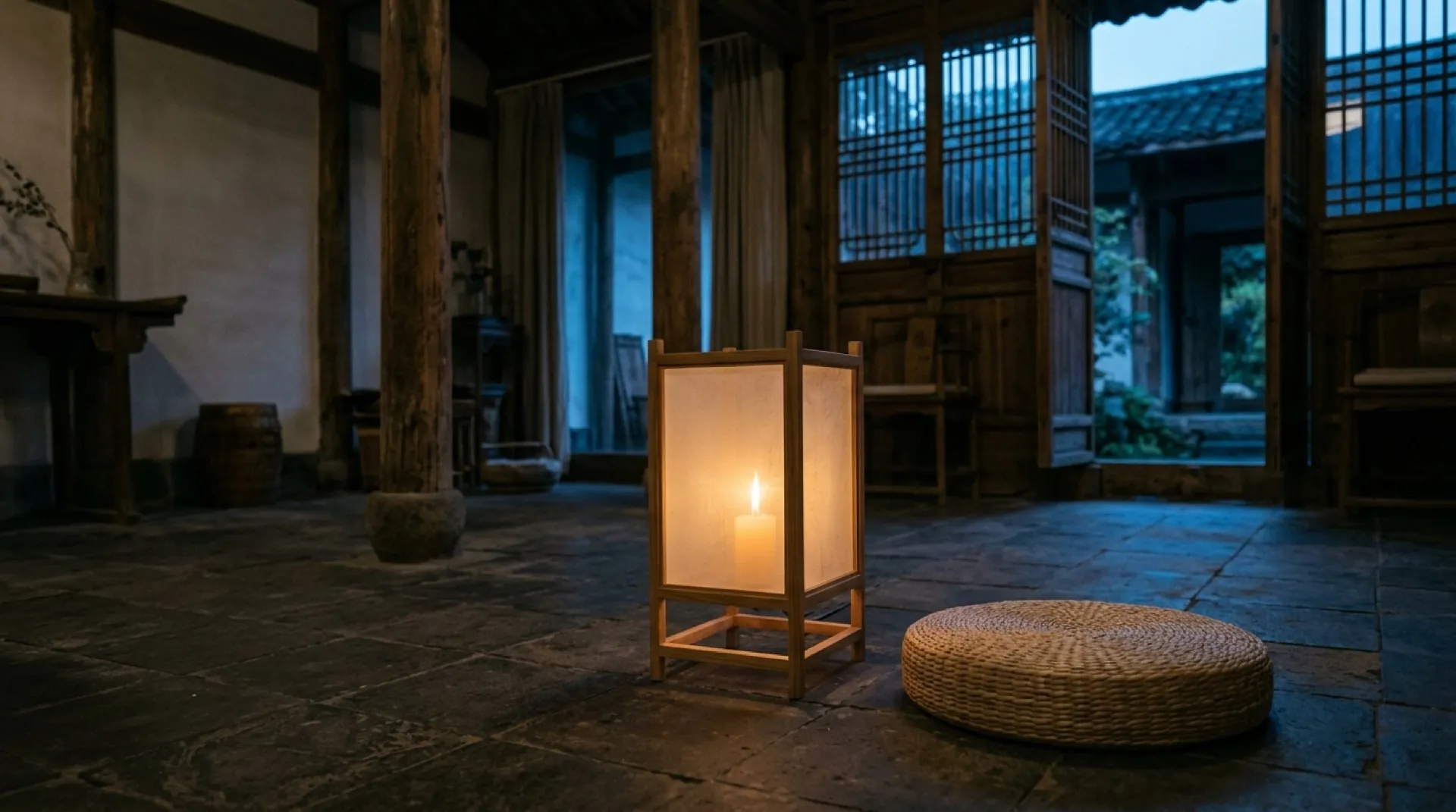
A single paper lantern with a lit candle and a round woven straw cushion on the stone floor of a dim timber hall with lattice windows at dusk.

In a culture that measures worth by endless accumulation—more hours, more status, more possessions—Chapter 44 of the Tao Te Ching asks three direct questions that cut through the noise: “Name or your own person: which is closer? Your person or your wealth: which is worth more? Gain or loss: which is the greater malady?” (名与身孰亲?身与货孰多?得与亡孰病?).

1. What “Zhi Zu” (知足) and “Zhi Zhi” (知止) Mean Together

Laozi answers his own questions with two paired principles: “One who knows sufficiency is not disgraced; one who knows when to stop is not endangered; thus one can endure long” (知足不辱,知止不殆,可以长久):

  • Zhi Zu (知足 · Knowing What Is Enough): In Chapter 33 (“One who knows sufficiency is wealthy,” 知足者富) and Chapter 46 (“There is no calamity greater than not knowing what is enough”), Zhi Zu does not mean refusing to work or improve. It means knowing what resources genuinely nourish your life so your sense of adequacy cannot be hijacked by endless external comparison.
  • Zhi Zhi (知止 · Knowing Where to Stop): In Chapter 9, Laozi points out that a blade hammered and sharpened beyond its need soon blunts, and a hall packed with gold and jade cannot be guarded. Zhi Zhi is the active discipline of stepping back once a task, argument, or ambition has reached its healthy limit.
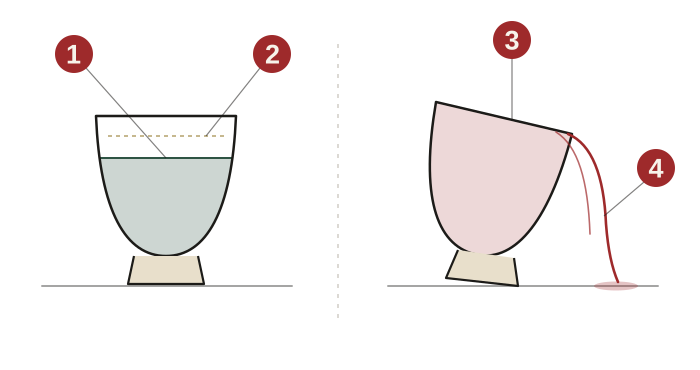
Diagram comparing a steady vessel filled to a moderate line with an overfilled tipping vessel spilling over its rim

“To hold and fill a vessel to the brim is not as good as stopping in time” (Chapter 9): reserve space keeps the vessel upright.

  1. Grounded sufficiency (知足): filled to a balanced, nourishing level
  2. Intentional margin (知止): stopping while clear breathing room remains
  3. Chasing the brim (持而盈之): overextension destabilizes the centre of gravity
  4. Overflow and loss: pushing past healthy limits tips gain into depletion

2. Applying Sufficiency and Boundaries in Everyday Life

  • In Work & Ambition: Define what a “complete day’s work” looks like in advance so you can close your desk with a clear mind rather than carrying perpetual guilt.
  • In Physical Training: In Qigong and Wudang martial arts, stop a session while your breath and energy still feel fresh and gathered (“stop with reserve left over,” 留有余力), rather than training to exhaustion.
  • In Speech & Debate: Once your point is clearly understood, stop—do not press for an extra victory that breeds resentment (Chapter 30).

Seeker’s Q&A · Frequently Asked Questions

What is the difference between Zhi Zu (知足) and Zhi Zhi (知止) in Tao Te Ching Chapter 44?

Zhi Zu (knowing sufficiency) is an inner attitude of recognizing when you have enough without endless comparison; Zhi Zhi (knowing when to stop) is the outer action of pausing at a healthy boundary before overextension turns into danger.