Chapter 46 — The Sufficiency of Contentment

第四十六章 知足之足

The same horse can pull a plough or carry a soldier. The difference is not the animal but the order of society and the direction of desire. When appetite has no sense of enough, tools meant to sustain life are drawn into competition and war.
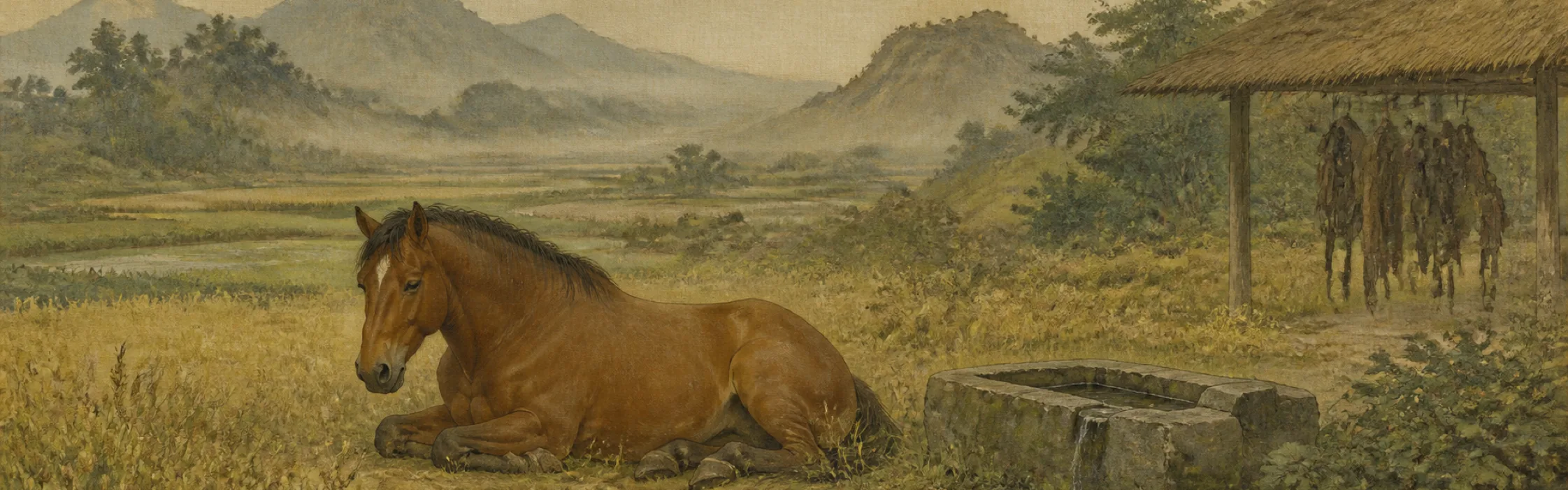
Chapter 46 — The Sufficiency of Contentment

Classical text

天下有道,却走马以粪;天下无道,戎马生于郊。祸莫大于不知足,咎莫大于欲得。故知足之足,常足矣。

Original rendering

When the world follows the Tao, swift horses are returned to fertilise the fields. When the world lacks the Tao, warhorses breed at the borders. No disaster is greater than not knowing contentment; no fault is greater than the craving to acquire. Therefore the contentment of knowing contentment is lasting sufficiency.

Beginner’s guide

Contentment is not complacency about injustice or preventable suffering. It concerns the appetite that keeps expanding after real needs are met. Such desire converts even abundance into perceived shortage and makes peaceful use of resources difficult.

Key ideas

  • Resources take the character of the purpose directing them.

  • Endless acquisition creates scarcity inside abundance.

  • Contentment frees capacity for nourishment and peace.

Reading it in modern life

Review whether tools, money, and time are serving care or rivalry. Set a clear point at which growth becomes maintenance. When comparison creates urgency, return to actual needs and let surplus support resilience, community, or restoration.

A question to carry

What resource could return from competition to nourishment if I recognised enough?


Continue reading the complete Tao Te Ching overview, Chapter 45 or continue to Chapter 47.