Chapter 9 — Knowing When to Stop

第九章 功成身退

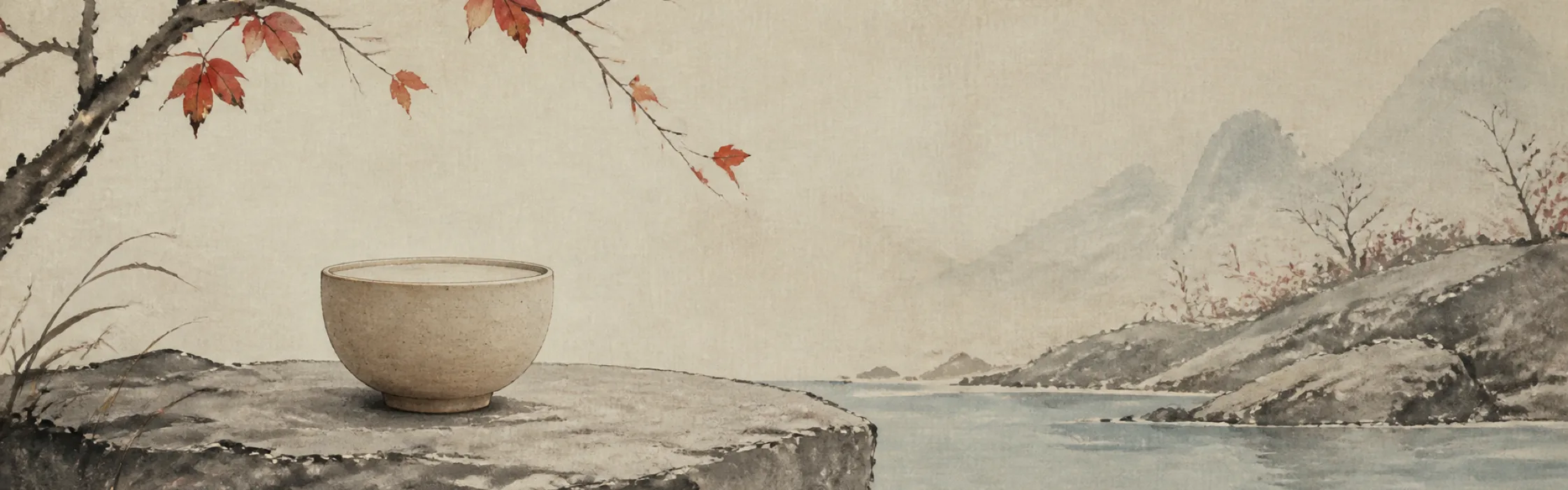
Many failures begin after success, when a person cannot recognize that the work is already full. A cup held past the brim spills; a blade sharpened without limit becomes fragile. The chapter treats stopping not as defeat but as the final skill that protects a completed effort.
Chapter 9 — Knowing When to Stop

Classical text

持而盈之,不如其已;揣而锐之,不可长保。金玉满堂,莫之能守;富贵而骄,自遗其咎。功成身退,天之道。

Original rendering

To hold and fill until overflowing is not as good as stopping. Hammer and sharpen a point too far, and it cannot be preserved for long. Fill a hall with gold and jade, and no one can guard it. Become wealthy and honoured, then grow arrogant, and you bring the fault upon yourself. Complete the work and withdraw from possession of it: this is the Way of heaven.

Beginner’s guide

Withdrawal does not always mean leaving a job or refusing responsibility. It can mean allowing others to own the result, ending a meeting when the decision is clear, stopping training before injury, or not adding another feature merely because one can.

Key ideas

  • Enough is a practical threshold, not a sign of laziness.

  • Excess makes sharpness brittle and wealth burdensome.

  • A finished action must be released if it is to serve beyond the doer.

Reading it in modern life

Before extending a project, define what “done” means. After a success, document the method, share credit, and hand over authority. Notice when improvement has become anxious polishing. Preserve energy for the next season instead of spending everything to make the present achievement look larger.

A question to carry

What is already complete, and what harm might come from refusing to stop?


Continue reading the complete Tao Te Ching overview, Chapter 8 or continue to Chapter 10.