Chapter 33 — Knowing Yourself

第三十三章 自知者明

This compact chapter distinguishes outward ability from inward clarity. Understanding other people is valuable, yet knowing one’s own motives and limits reaches deeper. Defeating an opponent displays force, while governing one’s impulses reveals a more durable strength.
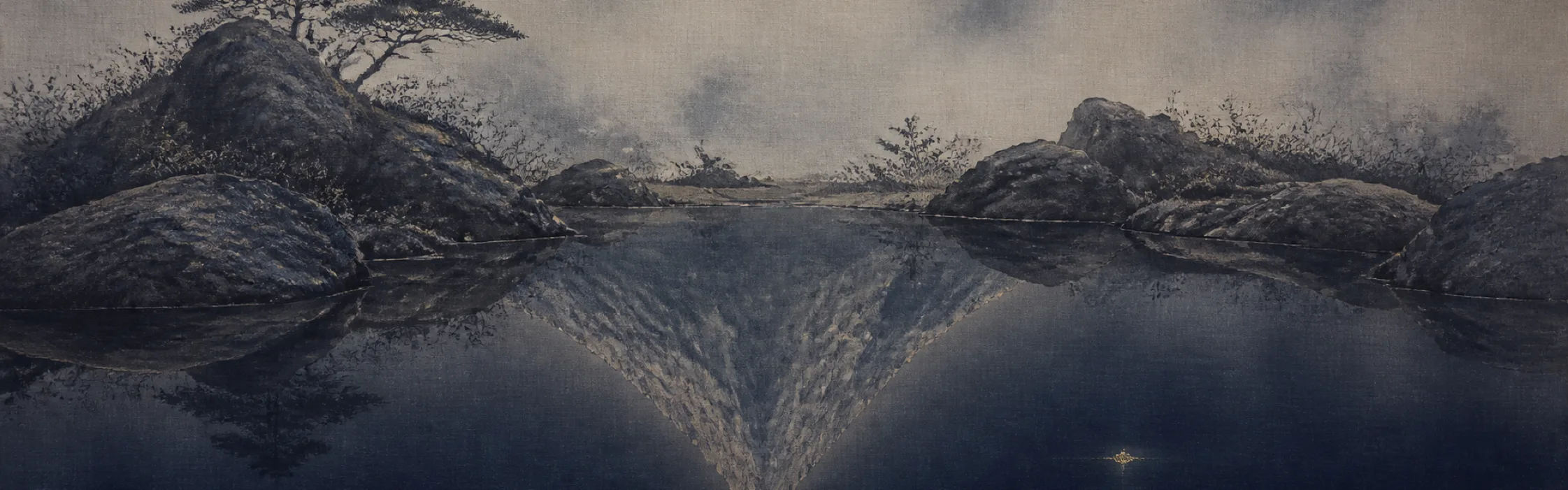
Chapter 33 — Knowing Yourself

Classical text

知人者智,自知者明;胜人者有力,自胜者强。知足者富,强行者有志。不失其所者久,死而不亡者寿。

Original rendering

One who knows others is intelligent; one who knows the self is illuminated. One who overcomes others has force; one who overcomes the self is strong. One who knows contentment is rich; one who continues with resolve has purpose. One who does not lose the proper ground endures. One who dies yet is not forgotten has longevity.

Beginner’s guide

Self-mastery is not self-hatred or rigid suppression. It is the ability to see fear, pride, appetite, and habit clearly enough that they do not choose every action. Contentment likewise does not forbid aspiration; it prevents worth from depending on endless acquisition.

Key ideas

  • Self-knowledge is deeper than cleverness about others.

  • Inner mastery makes external strength more trustworthy.

  • Contentment reveals forms of wealth that comparison hides.

Reading it in modern life

Before judging someone’s motives, name your own stake in the situation. Track the conditions under which patience, spending, or discipline collapses. Set goals from a stable sense of enough, then pursue them steadily instead of using each achievement to repair self-worth.

A question to carry

What do I understand about others that I am still unwilling to recognise in myself?


Continue reading the complete Tao Te Ching overview, Chapter 32 or continue to Chapter 34.