Chapter 44 — Life Before Reputation

第四十四章 知足不辱

Laozi asks us to compare values that daily life often treats as if no comparison were needed. Is reputation closer than life? Are possessions more important than the person using them? What is the real cost of gain when it damages health, time, freedom, or trust?
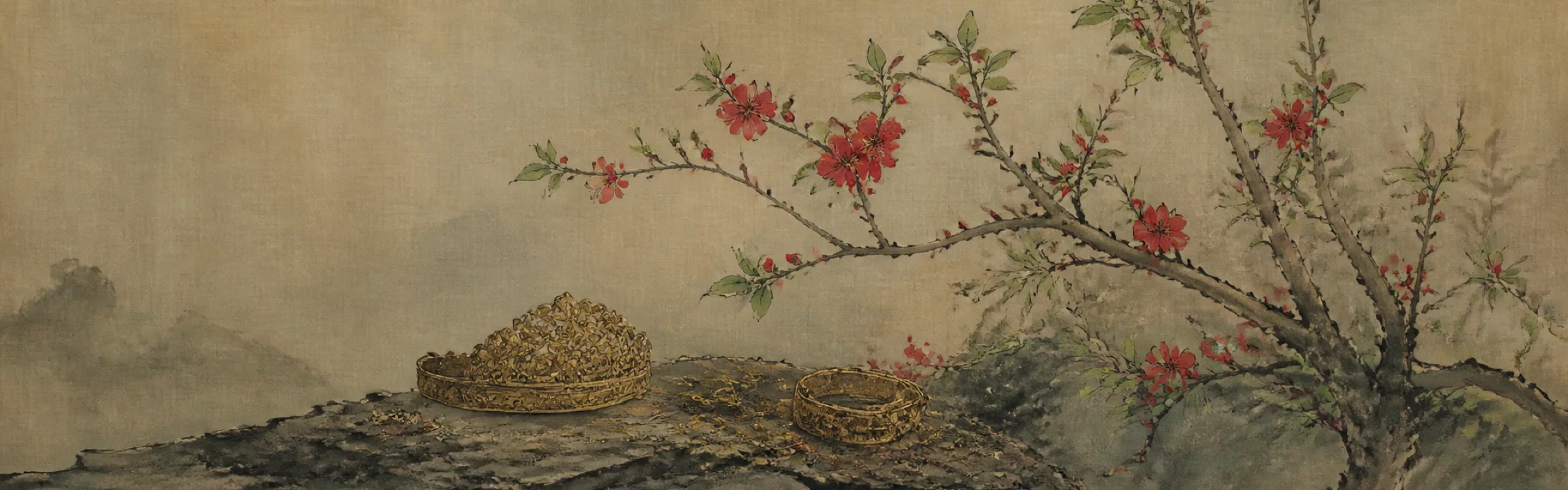
Chapter 44 — Life Before Reputation

Classical text

名与身孰亲?身与货孰多?得与亡孰病?甚爱必大费,多藏必厚亡。故知足不辱,知止不殆,可以长久。

Original rendering

Which is more intimate, reputation or life? Which is more valuable, life or goods? Which is more harmful, gain or loss? Extreme attachment brings great expense; excessive storing leads to heavy loss. Therefore one who knows contentment avoids disgrace; one who knows where to stop avoids danger and can endure.

Beginner’s guide

The chapter does not declare money or recognition evil. It asks whether they have changed from tools into masters. Knowing contentment establishes a point from which choices can be made, rather than letting every new comparison redefine what enough means.

Key ideas

  • Life is the ground on which reputation and wealth depend.

  • Attachment hides costs until they become severe.

  • Knowing enough protects dignity and endurance.

Reading it in modern life

Before accepting an opportunity, count the cost in sleep, relationships, attention, and freedom—not only money. Decide what level of savings, status, or growth is sufficient for the present season. Leave a pursuit when continued gain would require betraying the reason you began.

A question to carry

What am I gaining, and what part of life is quietly paying for it?


Continue reading the complete Tao Te Ching overview, Chapter 43 or continue to Chapter 45.