9 · Xiao Xu 小畜 ䷈
第九卦 小畜 ䷈
GUA 9, Small Restraint, describes using small limits and steady preparation to guide strong energy. The lower trigram, Heaven ☰, can be read as the inner condition or starting impulse of the situation; the upper trigram, Wind and Wood ☴, shows the outer setting or the direction in which that impulse becomes visible. Read together, they describe a movement from underlying conditions into choices, behaviour, and consequences. In modern life, this pattern may appear in work, relationships, study, leadership, or an important decision whenever you are being asked to practise using small limits and steady preparation to guide strong energy. The first task is not to predict success or failure. It is to establish what is actually happening, identify the present stage, notice who carries the responsibility and risk, and choose an action that fits the real conditions. Keep this central caution in view: Small restraint should prepare movement, not become endless micromanagement. Keep the purpose visible.
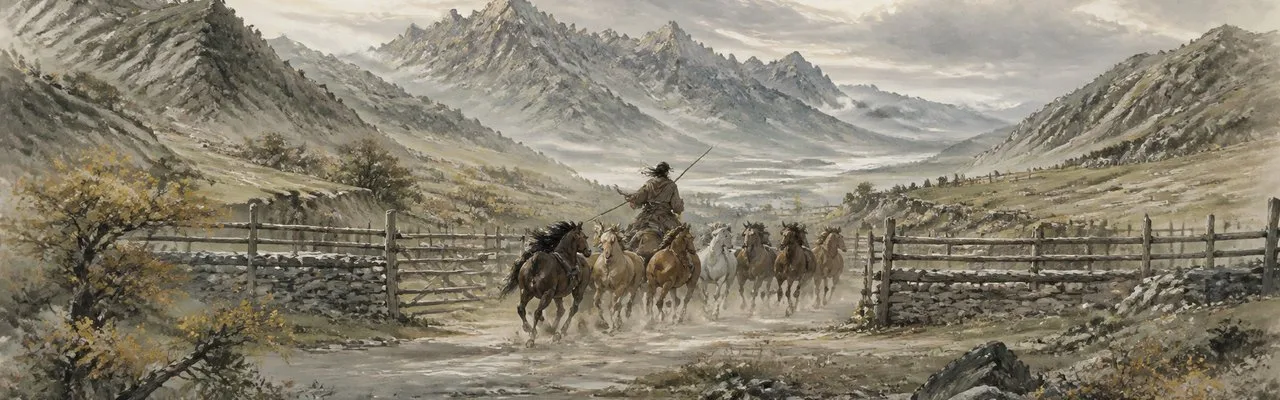
Large movement may not be ready, but small boundaries, habits, and repeated adjustments can guide strong energy in a useful direction. The purpose of this page is practical: to help a beginner recognise the situation, choose a sensible response, and avoid turning a symbolic reading into a rigid command.
GUA at a glance
Core situation: using small limits and steady preparation to guide strong energy.
Helpful attitude: slow down enough to see the pattern, then choose a proportionate action.
Useful question: what stage is this situation in now, and what is the smallest responsible next step?
Main caution: Small restraint should prepare movement, not become endless micromanagement. Keep the purpose visible.
The GUA, drawn line by line
The standard sign is ䷈. Read the six positions from the bottom upward:
━━━━━━━  上九
━━━━━━━  九五
━━━ ━━━  六四
━━━━━━━  九三
━━━━━━━  九二
━━━━━━━  初九
The lower three lines form 乾 ☰ (Heaven); the upper three form 巽 ☴ (Wind and Wood). The bottom is the beginning of the situation, the middle shows development and responsibility, and the top often shows excess, completion, or transition.
What this GUA means in simple terms
Large movement may not be ready, but small boundaries, habits, and repeated adjustments can guide strong energy in a useful direction.
A GUA does not order you to copy an ancient image literally. It gives you a pattern to compare with real life. Begin with the facts: who is involved, what has already changed, what remains uncertain, what must be protected, and who carries the risk.
The most useful reading is usually modest. Name the pattern, choose one practical action, watch what happens, and adjust. If the decision involves health, law, finance, safety, or another person’s rights, use appropriate professional advice and direct communication as well.
Where it may appear today
Work and study: use this GUA when a project, role, or learning process is asking for using small limits and steady preparation to guide strong energy. Define the next deliverable and the person responsible for it.
Relationships: ask whether expectations have been spoken clearly. Do not use the reading to guess another person’s hidden motives; ask, listen, and respect consent.
Decisions: separate what you know from what you fear or hope. Prefer a reversible test when the evidence is still incomplete.
Personal practice: notice the habit this situation activates in you—rushing, withdrawing, pleasing, controlling, or avoiding—and create a calmer alternative.
A practical five-step reading
Name the situation. Describe it in one plain sentence without praise, blame, or prediction.
Locate the stage. Decide whether you are at the beginning, under growing pressure, carrying responsibility, or reaching an ending.
Identify the risk. Ask what could be damaged by haste, pride, secrecy, passivity, or excessive force.
Choose one action. Make it specific, proportionate, and possible to review.
Set a review point. Decide when new evidence will make you continue, stop, or change direction.
The six lines as practical stages
The lines are positions in a changing situation. If you are reading a cast GUA, pay special attention to the moving line. If you are studying without a casting, read the six lines as six different vantage points rather than a guaranteed timeline.
1. 初九:复自道,何其咎,吉。
Returning by one's own way. How could there be blame? Good fortune.
At the beginning, notice how you approach using small limits and steady preparation to guide strong energy. Start with one small, reversible action and gather real feedback before committing more.
2. 九二:牵复,吉。
Drawn back together with others. Good fortune.
The situation now has enough shape for cooperation. Find a reliable person, routine, or resource that helps you practise the central lesson of this GUA.
3. 九三:舆说辐,夫妻反目。
The spokes come off the wagon. Husband and wife turn their eyes from each other.
Pressure rises in the third position. This is where haste, pride, or frustration can distort your approach to using small limits and steady preparation to guide strong energy; pause and check the method, not only the goal.
4. 六四:有孚,血去惕出,无咎。
There is sincerity; bloodshed is averted, fear departs. No blame.
The fourth position moves from inner preparation into outward action. Explain what you are doing, accept responsibility, and adjust to the response you actually receive.
5. 九五:有孚挛如,富以其邻。
There is sincerity, binding firmly; he shares his wealth with his neighbors.
At the centre of responsibility, personal advantage matters less than the health of the whole situation. Use authority to make the lesson of this GUA workable for others.
6. 上九:既雨既处,尚德载,妇贞厉,月几望,君子征凶。
The rain has come, the rest has come; virtue is honored and fully carried. For the wife, steadfastness is dangerous. The moon is nearly full; if the noble person sets out, misfortune.
At the top, the pattern reaches an extreme. Finish cleanly, release what has become excessive, and leave enough space for the next stage of change.
A simple modern example
A department cannot change its whole system yet. It starts with a weekly review, clearer file names, and one decision rule; these small restraints prevent repeated waste.
Notice that the example does not try to predict an outcome. It uses the GUA to improve attention, timing, communication, and responsibility—the parts of the situation that people can actually influence.
Common mistakes to avoid
Small restraint should prepare movement, not become endless micromanagement. Keep the purpose visible.
Do not treat one favourable or unfavourable phrase as a complete answer. Read the whole situation and the relevant line.
Do not use a GUA to replace evidence, professional expertise, consent, or an honest conversation.
Questions for reflection
What is the real situation, stated without drama?
Which part of this — using small limits and steady preparation to guide strong energy — is most relevant now?
What would a smaller and more responsible action look like?
What result or sign will tell me that the approach needs to change?
Bottom line
GUA 9 is a practical lesson in using small limits and steady preparation to guide strong energy. Use it to see the pattern more clearly, act with proportion, and remain willing to change when reality gives new information.
Continue with the previous GUA, 8 · Joining and Belonging, or the next GUA, 10 · Careful Conduct.