43 · Guai 夬 ䷪
第四十三卦 夬 ䷪
GUA 43, Breakthrough, describes making a necessary decision openly while refusing the intoxication of force. The lower trigram, Heaven ☰, can be read as the inner condition or starting impulse of the situation; the upper trigram, Lake ☱, shows the outer setting or the direction in which that impulse becomes visible. Read together, they describe a movement from underlying conditions into choices, behaviour, and consequences. In modern life, this pattern may appear in work, relationships, study, leadership, or an important decision whenever you are being asked to practise making a necessary decision openly while refusing the intoxication of force. The first task is not to predict success or failure. It is to establish what is actually happening, identify the present stage, notice who carries the responsibility and risk, and choose an action that fits the real conditions. Keep this central caution in view: This GUA is decisive but explicitly says that immediate recourse to arms is not beneficial. Public truth, self-scrutiny, and proportion come before coercion.
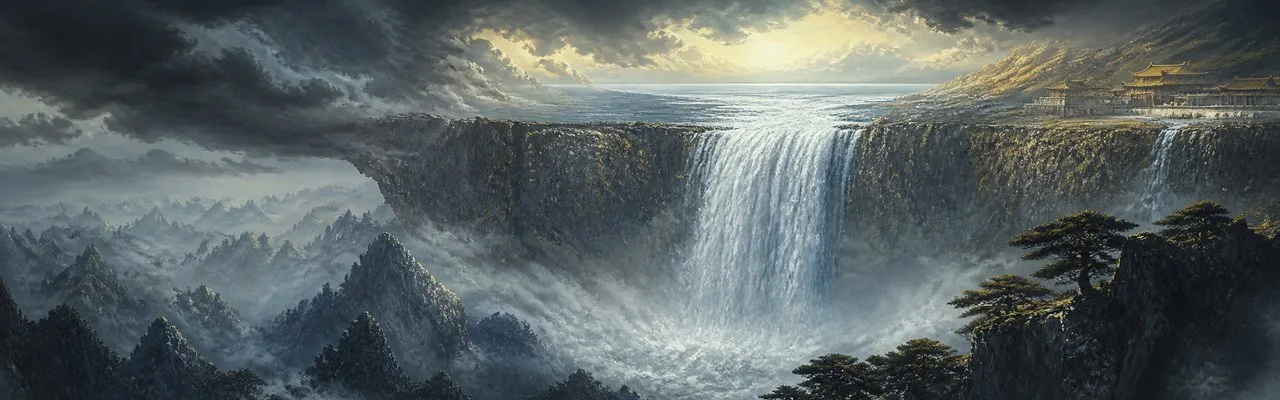
This GUA is about making a necessary decision openly while refusing the intoxication of force. It is most useful when the situation cannot be solved by a slogan and you need to combine clear observation with a proportionate response. The purpose of this page is practical: to help a beginner recognise the situation, choose a sensible response, and avoid turning a symbolic reading into a rigid command.
GUA at a glance
Core situation: making a necessary decision openly while refusing the intoxication of force.
Helpful attitude: slow down enough to see the pattern, then choose a proportionate action.
Useful question: what stage is this situation in now, and what is the smallest responsible next step?
Main caution: This GUA is decisive but explicitly says that immediate recourse to arms is not beneficial. Public truth, self-scrutiny, and proportion come before coercion.
The GUA, drawn line by line
The standard sign is ䷪. Read the six positions from the bottom upward:
━━━ ━━━  上六
━━━━━━━  九五
━━━━━━━  九四
━━━━━━━  九三
━━━━━━━  九二
━━━━━━━  初九
The lower three lines form 乾 ☰ (Heaven); the upper three form 兑 ☱ (Lake). The bottom is the beginning of the situation, the middle shows development and responsibility, and the top often shows excess, completion, or transition.
What this GUA means in simple terms
This GUA is about making a necessary decision openly while refusing the intoxication of force. It is most useful when the situation cannot be solved by a slogan and you need to combine clear observation with a proportionate response.
A GUA does not order you to copy an ancient image literally. It gives you a pattern to compare with real life. Begin with the facts: who is involved, what has already changed, what remains uncertain, what must be protected, and who carries the risk.
The most useful reading is usually modest. Name the pattern, choose one practical action, watch what happens, and adjust. If the decision involves health, law, finance, safety, or another person’s rights, use appropriate professional advice and direct communication as well.
Where it may appear today
Work and study: use this GUA when a project, role, or learning process is asking for making a necessary decision openly while refusing the intoxication of force. Define the next deliverable and the person responsible for it.
Relationships: ask whether expectations have been spoken clearly. Do not use the reading to guess another person’s hidden motives; ask, listen, and respect consent.
Decisions: separate what you know from what you fear or hope. Prefer a reversible test when the evidence is still incomplete.
Personal practice: notice the habit this situation activates in you—rushing, withdrawing, pleasing, controlling, or avoiding—and create a calmer alternative.
A practical five-step reading
Name the situation. Describe it in one plain sentence without praise, blame, or prediction.
Locate the stage. Decide whether you are at the beginning, under growing pressure, carrying responsibility, or reaching an ending.
Identify the risk. Ask what could be damaged by haste, pride, secrecy, passivity, or excessive force.
Choose one action. Make it specific, proportionate, and possible to review.
Set a review point. Decide when new evidence will make you continue, stop, or change direction.
The six lines as practical stages
The lines are positions in a changing situation. If you are reading a cast GUA, pay special attention to the moving line. If you are studying without a casting, read the six lines as six different vantage points rather than a guaranteed timeline.
1. 初九:壮于前趾,往不胜为咎。
Strength rushes into the front toes, but advancing without the power to prevail creates blame. Decision must begin with realistic capacity. In modern use, treat this as guidance for the stage you are in, not as a fixed prediction. Check facts, consent, timing, and consequences before acting.
2. 九二:惕号,莫夜有戎,勿恤。
Stay alert and call out; even if armed danger comes at night, do not panic. Prepared vigilance is different from aggression. In modern use, treat this as guidance for the stage you are in, not as a fixed prediction. Check facts, consent, timing, and consequences before acting.
3. 九三:壮于頄,有凶。君子夬夬,独行遇雨,若濡有愠,无咎。
Force displayed in the cheek invites trouble. The principled person decides alone, gets soaked and criticized, yet remains without blame. In modern use, treat this as guidance for the stage you are in, not as a fixed prediction. Check facts, consent, timing, and consequences before acting.
4. 九四:臀无肤,其行次且。牵羊悔亡,闻言不信。
With no skin on the buttocks, movement is halting. Let yourself be led like a sheep; refusal to hear advice prolongs the pain. In modern use, treat this as guidance for the stage you are in, not as a fixed prediction. Check facts, consent, timing, and consequences before acting.
5. 九五:苋陆夬夬,中行无咎。
Cut through the rampant growth decisively while staying in the middle. Removal is sound when it remains proportionate. In modern use, treat this as guidance for the stage you are in, not as a fixed prediction. Check facts, consent, timing, and consequences before acting.
6. 上六:无号,终有凶。
At the end there is no cry for help and misfortune arrives. A problem denied until the last moment cannot be resolved by silence. In modern use, treat this as guidance for the stage you are in, not as a fixed prediction. Check facts, consent, timing, and consequences before acting.
A simple modern example
Imagine a person or team facing a situation that requires making a necessary decision openly while refusing the intoxication of force. A practical reading is to name the real condition, choose one action that can be tested, and review the result before escalating.
Notice that the example does not try to predict an outcome. It uses the GUA to improve attention, timing, communication, and responsibility—the parts of the situation that people can actually influence.
Common mistakes to avoid
This GUA is decisive but explicitly says that immediate recourse to arms is not beneficial. Public truth, self-scrutiny, and proportion come before coercion.
Do not treat one favourable or unfavourable phrase as a complete answer. Read the whole situation and the relevant line.
Do not use a GUA to replace evidence, professional expertise, consent, or an honest conversation.
Questions for reflection
What is the real situation, stated without drama?
Which part of making a necessary decision openly while refusing the intoxication of force is most relevant now?
What would a smaller and more responsible action look like?
What result or sign will tell me that the approach needs to change?
Bottom line
GUA 43 is a practical lesson in making a necessary decision openly while refusing the intoxication of force. Use it to see the pattern more clearly, act with proportion, and remain willing to change when reality gives new information.
Continue with the previous GUA, 42 · Increase, or the next GUA, 44 · Coming to Meet.