Chapter 5 — The Bellows of Heaven and Earth

第五章 天地之间

“Heaven and earth are not benevolent” can sound cruel when read through ordinary moral language. Here it points to impartiality: seasons, growth, decay, and change do not organize themselves around our preferences. The sage likewise avoids a possessive kindness that favors a few while distorting the whole.
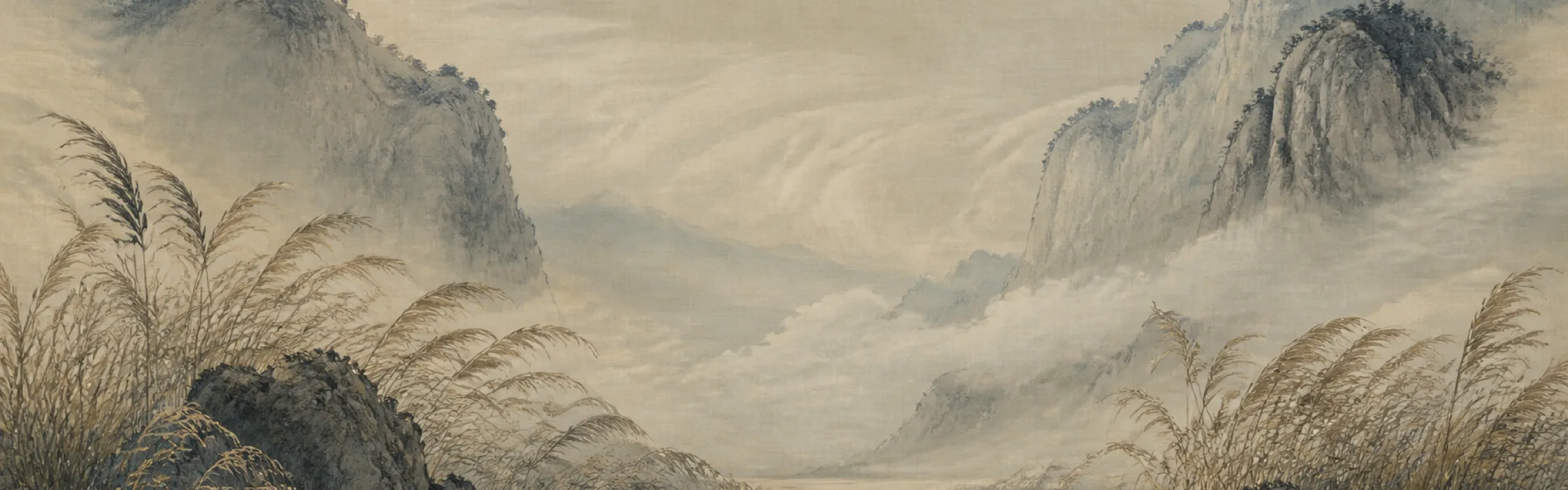
Chapter 5 — The Bellows of Heaven and Earth

Classical text

天地不仁,以万物为刍狗;圣人不仁,以百姓为刍狗。天地之间,其犹橐籥乎?虚而不屈,动而愈出。多言数穷,不如守中。

Original rendering

Heaven and earth are not partial in human benevolence; they treat the ten thousand things like straw dogs. The sage is not partial in human benevolence; the people are regarded like straw dogs. Is not the space between heaven and earth like a bellows? Empty, yet never exhausted; set in motion, it brings forth more. Excess speech soon reaches its limit. Better to guard the center.

Beginner’s guide

Straw dogs were ritual objects honored for a time and then released from special treatment. The image warns against confusing care with possession. The bellows adds a second lesson: emptiness can be generative when the center remains open.

Key ideas

  • Impartiality differs from indifference.

  • Care becomes distorted when it demands permanent control.

  • A quiet center can produce more than continual explanation.

Reading it in modern life

A fair manager cannot change standards every time a favored person is uncomfortable. A parent can care deeply without preventing every consequence. When discussion begins repeating itself, stop adding words. Return to the central fact, the shared need, or the next concrete action.

A question to carry

Where has my wish to be kind become partial, controlling, or unable to accept change?


Continue reading the complete Tao Te Ching overview, Chapter 4 or continue to Chapter 6.