Chapter 67 — The Three Treasures

第六十七章 三宝

The Tao seems unlike any familiar category because its greatness cannot be reduced to one approved model. Laozi then names three practical treasures: compassion, conservation, and reluctance to push oneself ahead of everyone. These are not timid virtues; they make courage, reach, and leadership sustainable.
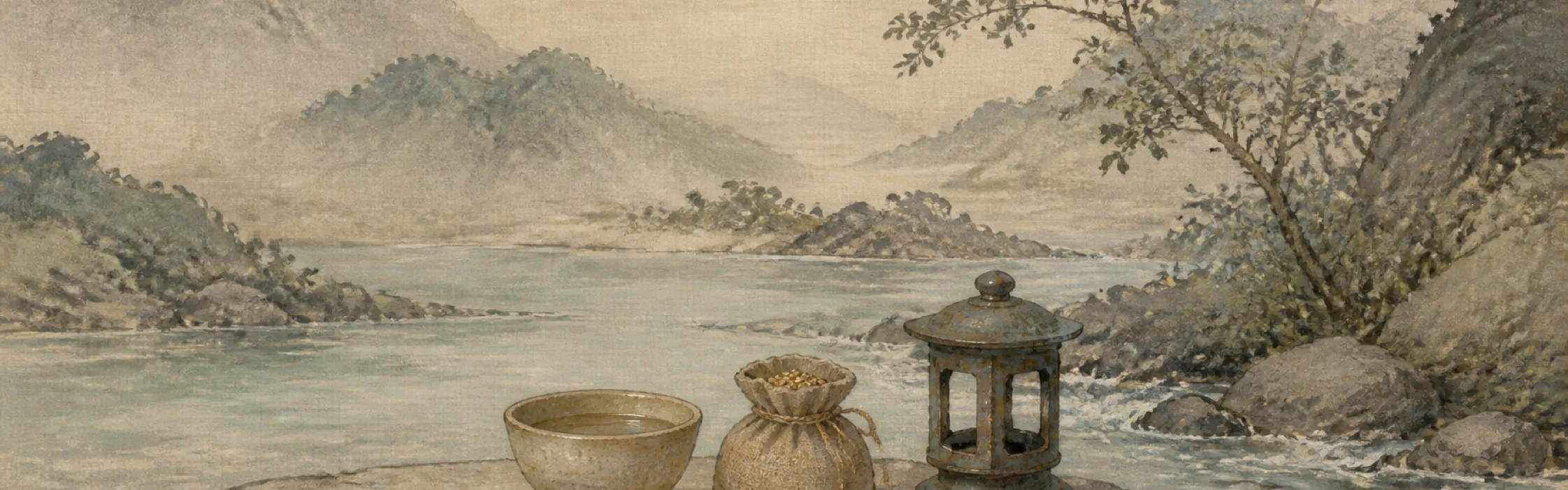
Chapter 67 — The Three Treasures

Classical text

天下皆谓我道大,似不肖。夫唯大,故似不肖。若肖,久矣其细也夫!我有三宝,持而保之:一曰慈,二曰俭,三曰不敢为天下先。慈故能勇,俭故能广,不敢为天下先,故能成器长。今舍慈且勇,舍俭且广,舍后且先,死矣。夫慈,以战则胜,以守则固。天将救之,以慈卫之。

Original rendering

Everyone says my Tao is great and resembles nothing familiar. Precisely because it is great, it resembles nothing. If it resembled something, it would long ago have become small. I have three treasures that I hold and protect: the first is compassion, the second frugality, the third not daring to be first in the world. Through compassion one can be courageous; through frugality one can be generous; by not daring to be first one can become a leader of vessels. Abandon compassion and seek courage, abandon frugality and seek breadth, abandon the rear and rush ahead—this leads to death. With compassion, one can prevail in conflict and stand firm in defence. When heaven would rescue someone, it protects them through compassion.

Beginner’s guide

Compassion directs courage toward protection rather than aggression. Frugality preserves resources so they can serve widely. Not being first resists ego-driven haste, making leadership more receptive and less dangerous.

Key ideas

  • Courage without compassion easily becomes cruelty.

  • Conservation allows resources to benefit more people.

  • Leadership matures by resisting the urge to rush ahead.

Reading it in modern life

Before a forceful act, name whom it protects and how harm will be limited. Use money and energy where they serve the most lasting benefit. In a group, let understanding and relationship form before claiming the leading position.

A question to carry

Which of the three treasures is missing from the strength I am trying to use?


Continue reading the complete Tao Te Ching overview, Chapter 66 or continue to Chapter 68.