Chapter 29 — The World Is Not an Object

第二十九章 天下神器不可为

The world is called a sacred vessel: an ordered living whole, not raw material waiting for one person’s design. Attempts to seize and remake it from above ignore varied rhythms—some things lead, others follow; some breathe gently, others forcefully; some strengthen while others weaken.
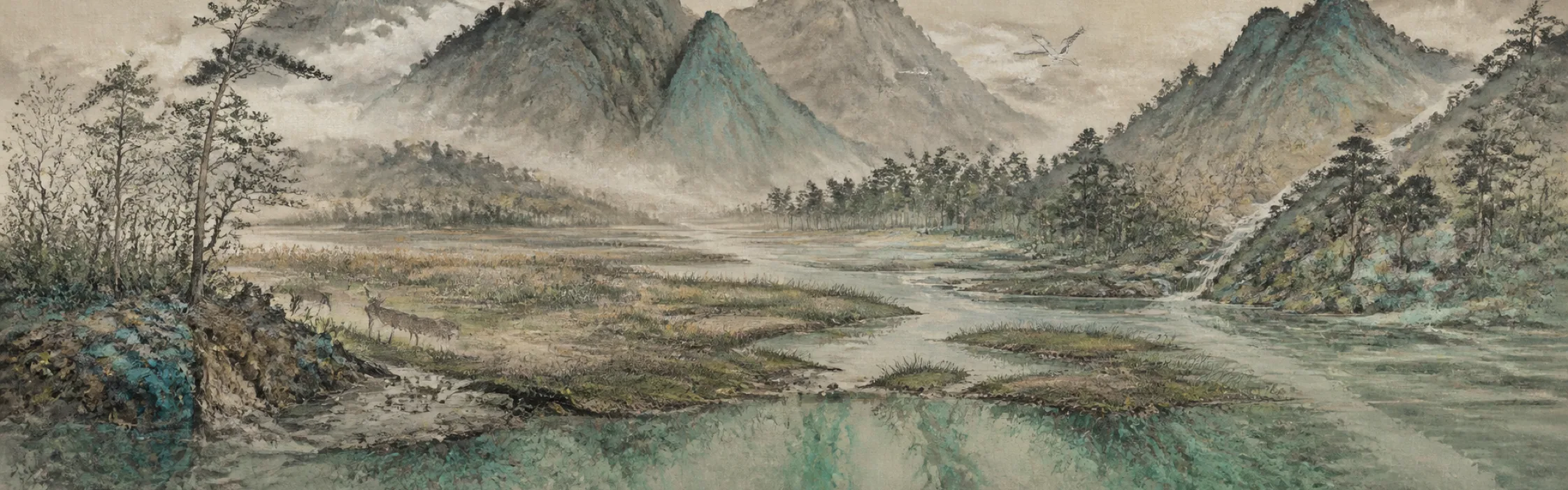
Chapter 29 — The World Is Not an Object

Classical text

将欲取天下而为之,吾见其不得已。天下神器,不可为也,不可执也。为者败之,执者失之。故物或行或随,或歔或吹,或强或羸,或挫或隳。是以圣人去甚,去奢,去泰。

Original rendering

Those who wish to take the world and manipulate it—I see that they will not succeed. The world is a sacred vessel; it cannot be manipulated and cannot be grasped. Those who manipulate it spoil it; those who grasp it lose it. Things sometimes lead and sometimes follow, sometimes breathe softly and sometimes strongly, sometimes grow vigorous and sometimes weak, sometimes support and sometimes collapse. Therefore the sage removes excess, removes extravagance, and removes overreaching.

Beginner’s guide

Non-interference does not forbid policy, design, or repair. It warns that living systems respond, adapt, and produce unintended effects. Wise action therefore studies variation, tests proportionately, and avoids making control itself the goal.

Key ideas

  • The world is a relationship to participate in, not property to seize.

  • Different conditions require different tempos and roles.

  • Removing excess protects systems from overcontrol.

Reading it in modern life

Before a large reform, listen to people working at different levels and test on a limited scale. In personal change, avoid replacing every routine at once. Track unintended consequences and be willing to loosen a solution that works only through constant force.

A question to carry

What living system am I treating as if it were a passive object under my control?


Continue reading the complete Tao Te Ching overview, Chapter 28 or continue to Chapter 30.