Chapter 61 — The Great State Takes the Lower Place

第六十一章 大者宜为下

A great state is compared to the lower reaches of a river, where many waters meet. Its power comes from receiving rather than standing above every smaller current. The feminine image represents quiet receptivity, not a fixed social hierarchy between women and men.
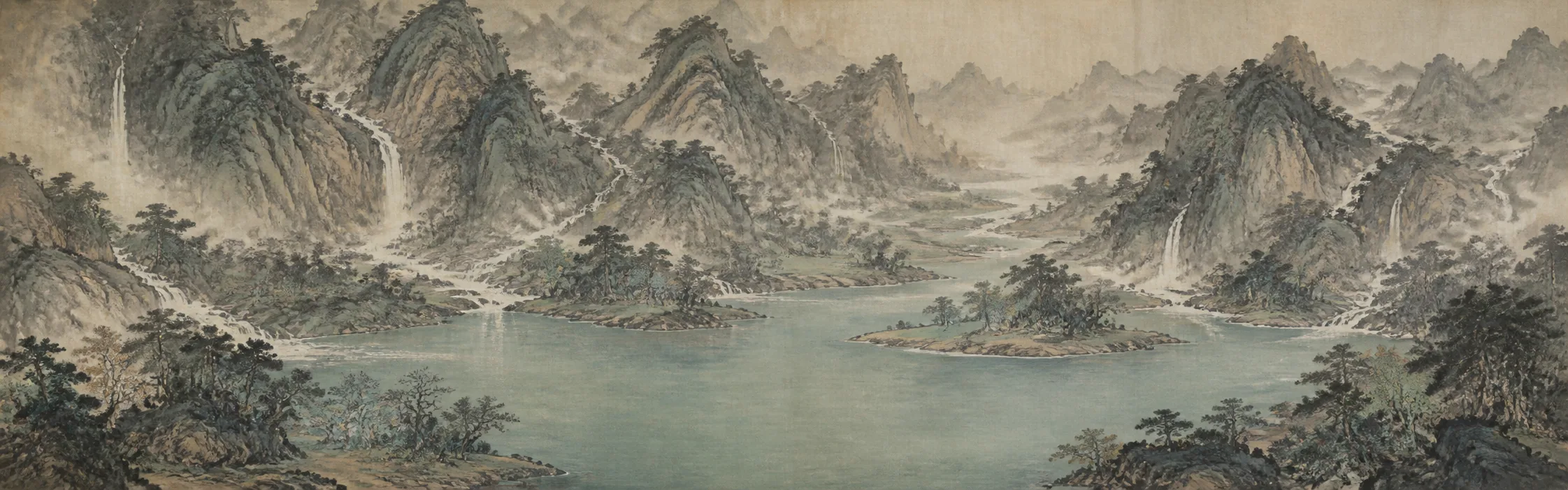
Chapter 61 — The Great State Takes the Lower Place

Classical text

大国者下流,天下之交,天下之牝。牝常以静胜牡,以静为下。故大国以下小国,则取小国;小国以下大国,则取大国。故或下以取,或下而取。大国不过欲兼畜人,小国不过欲入事人。夫两者各得所欲,大者宜为下。

Original rendering

A great state is like the lower flow, the meeting place of the world, the receptive female of the world. The female commonly overcomes the male through stillness, taking the lower position through stillness. Thus when a great state places itself below a small state, it gains the small state; when a small state places itself below a great state, it gains a place within the great state. One takes by placing itself below; the other is received by being below. The great state seeks no more than to gather and nourish people; the small state seeks no more than a place to serve. For both to obtain what they seek, the greater should take the lower place.

Beginner’s guide

The chapter addresses unequal power. Humility means more when practised by the stronger party, because it reduces fear and makes cooperation possible. The weaker may also yield strategically, but the greater carries the larger responsibility for creating safety.

Key ideas

  • Low places gather what elevated pride repels.

  • The stronger party has greater responsibility to reduce domination.

  • Receptivity can create mutual benefit without erasing difference.

Reading it in modern life

In negotiation, let the party with more authority listen first and remove unnecessary threats. Large organisations should make access easier for small partners rather than using scale to impose every term. Leadership can remain accountable while receiving local knowledge.

A question to carry

Because I hold more power here, how can I take the lower place without abandoning responsibility?


Continue reading the complete Tao Te Ching overview, Chapter 60 or continue to Chapter 62.