Chapter 12 — Guarding the Senses

第十二章 为腹不为目

The senses are not condemned here. The warning concerns excess: colours that overwhelm sight, sounds that dull hearing, tastes that exhaust the palate, excitement that makes the mind frantic, and rare goods that distort conduct. When stimulation becomes continuous, we may consume more while perceiving less.
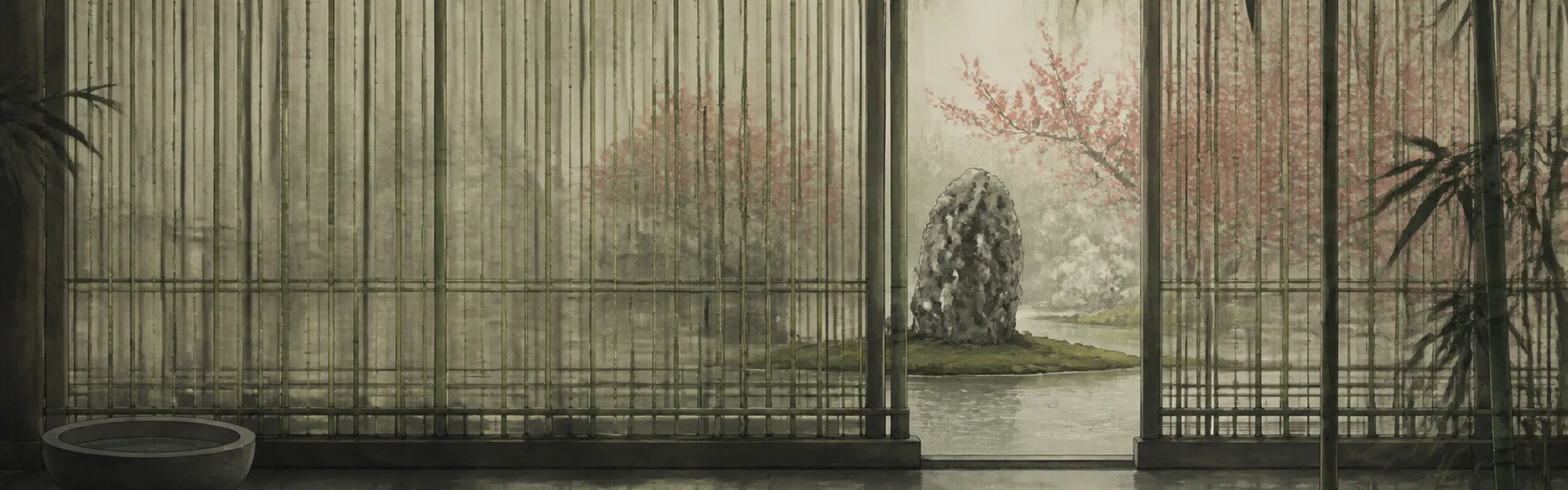
Chapter 12 — Guarding the Senses

Classical text

五色令人目盲;五音令人耳聋;五味令人口爽;驰骋畋猎,令人心发狂;难得之货,令人行妨。是以圣人为腹不为目,故去彼取此。

Original rendering

The five colours make the eyes blind; the five tones make the ears deaf; the five flavours dull the mouth. Racing and hunting drive the heart-mind to frenzy. Goods difficult to obtain obstruct human conduct. Therefore the sage cares for the belly rather than chasing what dazzles the eye, and so leaves one and chooses the other.

Beginner’s guide

“For the belly” means attending to what genuinely nourishes and sustains. “For the eye” points to attraction governed by appearance and novelty. The distinction helps us ask whether an experience leaves us steadier and more capable, or merely keeps us seeking the next sensation.

Key ideas

  • Sensation becomes dull when it is continually intensified.

  • Novelty can capture attention without meeting a real need.

  • Nourishment is judged by its effect on the whole person.

Reading it in modern life

Notice which feeds, purchases, or entertainment leave you restless immediately afterward. Create periods without alerts or background media. Before buying something rare or impressive, ask what need it actually serves and whether a simpler option would serve it better.

A question to carry

What am I repeatedly looking at or consuming that makes me less able to perceive?


Continue reading the complete Tao Te Ching overview, Chapter 11 or continue to Chapter 13.