Chapter 10 — Holding the One

第十章 抱一与玄德

Chapter Ten gathers several practices into one demanding set of questions. Can body and awareness remain integrated? Can cultivated energy become soft rather than tense? Can perception be cleaned of distortion? Can one care for people without turning clever control into the method? The chapter’s answer is not a technique but a quality of relationship.
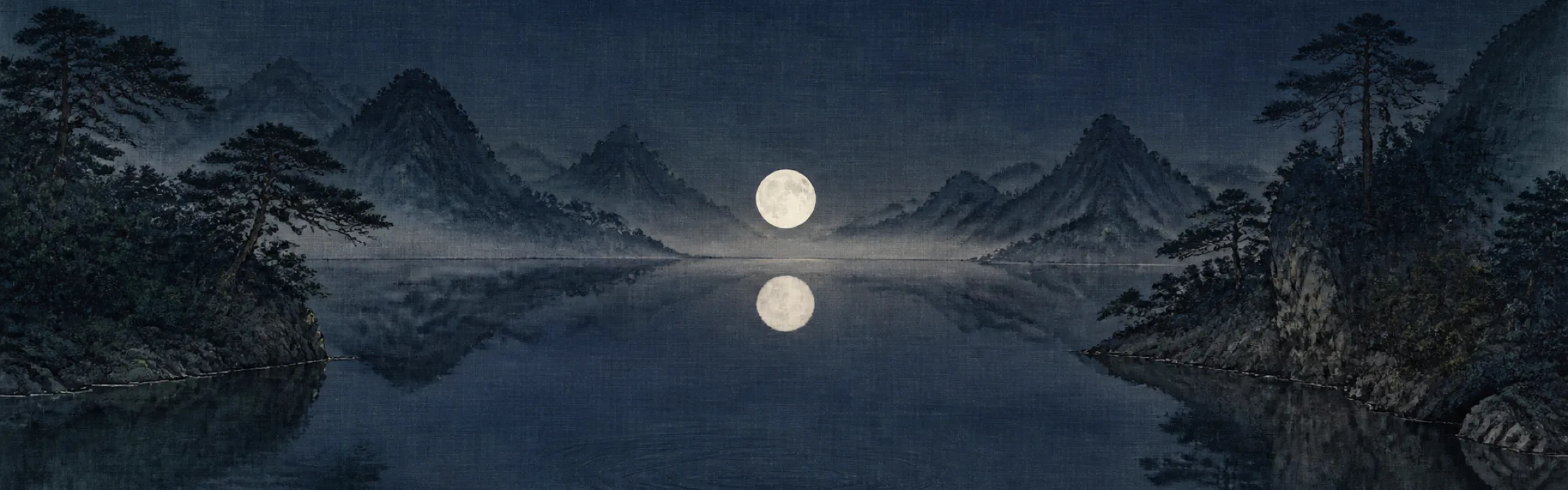
Chapter 10 — Holding the One

Classical text

载营魄抱一,能无离乎?专气致柔,能婴儿乎?涤除玄览,能无疵乎?爱民治国,能无知乎?天门开阖,能为雌乎?明白四达,能无为乎?生之、畜之,生而不有,为而不恃,长而不宰,是谓玄德。

Original rendering

Bearing body and spirit while embracing the One—can you keep them from separating? Concentrating the vital breath and becoming soft—can you be like an infant? Cleansing the mysterious mirror—can you leave it without stain? Loving the people and governing the state—can you do so without manipulative cleverness? As heaven’s gate opens and closes—can you remain receptive? Understanding clearly in every direction—can you refrain from contrivance? Give life and nourish; give life without possessing, act without depending on the action, guide growth without ruling it. This is called mysterious virtue.

Beginner’s guide

The infant image indicates softness and undivided vitality, not childish ignorance. The mirror suggests perception before prejudice covers it. Together the questions turn cultivation outward: inner clarity is tested by whether we can support life without claiming ownership of other people’s growth.

Key ideas

  • Cultivation joins body, breath, attention, and conduct.

  • Softness can show integration rather than weakness.

  • Profound virtue nourishes without possessing or controlling.

Reading it in modern life

When helping someone learn, provide structure and feedback but do not make their progress a reflection of your ego. Before an important decision, notice whether the body is braced and the mind already defending a conclusion. Relax enough to receive information that does not fit your first plan.

A question to carry

Can I help something grow without needing to own, display, or control its growth?


Continue reading the complete Tao Te Ching overview, Chapter 9 or continue to Chapter 11.