Chapter 68 — The Virtue of Non-Contention

第六十八章 不争之德

This chapter separates competence from aggression. The best warrior does not need to perform violence, the best fighter is not governed by anger, and the best victory avoids meeting force on its chosen terms. Leadership likewise draws out ability by taking a supporting position.
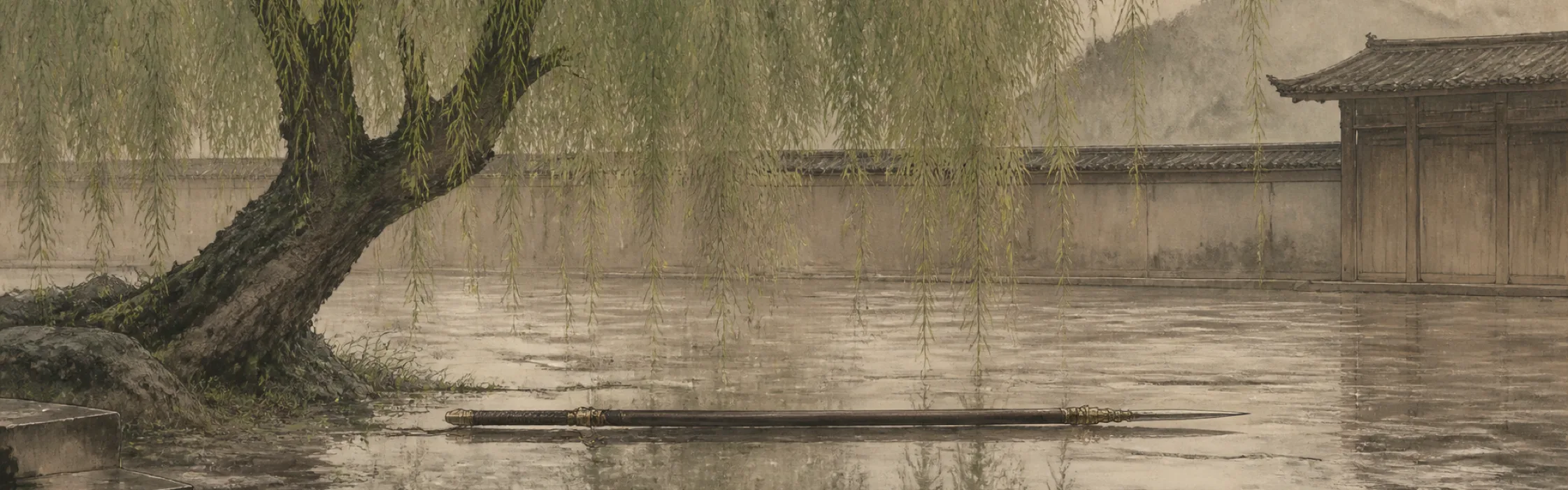
Chapter 68 — The Virtue of Non-Contention

Classical text

善为士者不武,善战者不怒,善胜敌者不与,善用人者为之下。是谓不争之德,是谓用人之力,是谓配天,古之极。

Original rendering

A good warrior is not belligerent. One skilled in battle is not angry. One skilled at overcoming an opponent does not meet them in contention. One skilled at employing people places the self below them. This is called the virtue of non-contention, the power of using people well, and alignment with heaven—the highest principle of the ancients.

Beginner’s guide

Non-contention does not mean refusing every necessary conflict. It means not letting aggression or ego choose the ground. Calm strategy preserves options, while leadership from below provides conditions in which others can contribute fully.

Key ideas

  • Aggression is not proof of competence.

  • Anger narrows strategy and makes opponents choose our actions.

  • Supporting others can release more strength than commanding from above.

Reading it in modern life

In conflict, lower emotional heat before selecting the response. Do not accept every provocation as the timetable for action. As a leader, remove obstacles, provide tools, and let skilled people own their work.

A question to carry

How can I meet this challenge without letting aggression choose the terms?


Continue reading the complete Tao Te Ching overview, Chapter 67 or continue to Chapter 69.