Chapter 81 — The Way That Benefits Without Harm

第八十一章 为而不争

The final chapter returns to the difference between substance and display. Trustworthy speech may be plain; goodness does not need to win every argument; knowing has depth rather than collecting everything. The sage’s abundance grows through service and sharing, not accumulation.
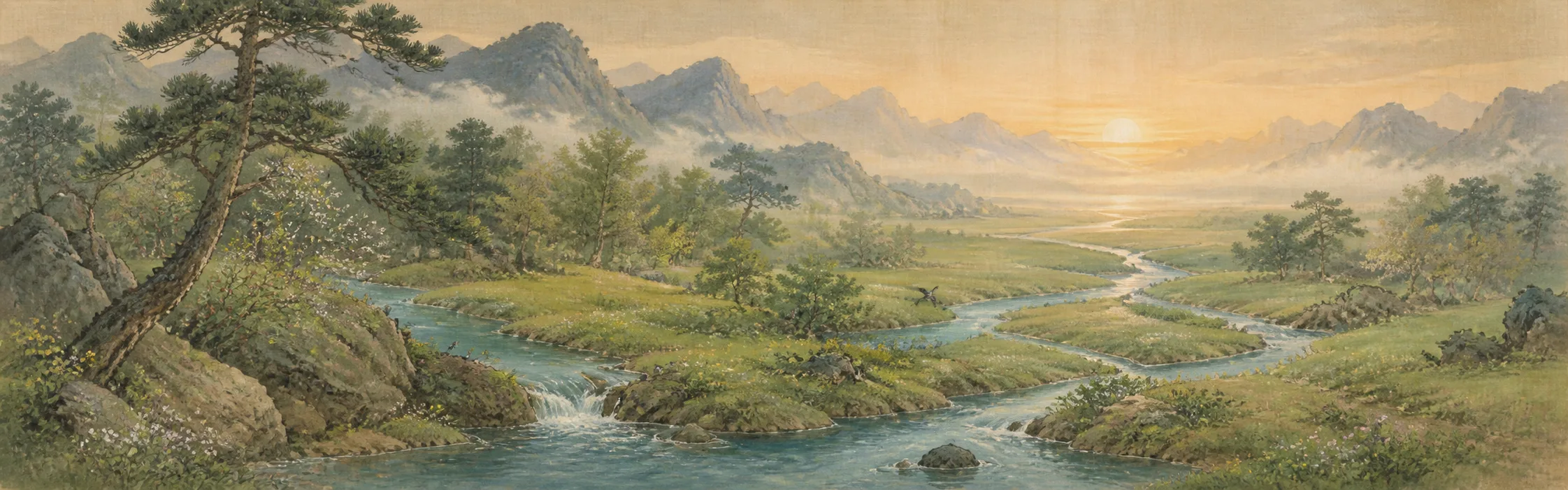
Chapter 81 — The Way That Benefits Without Harm

Classical text

信言不美,美言不信。善者不辩,辩者不善。知者不博,博者不知。圣人不积,既以为人,己愈有;既以与人,己愈多。天之道,利而不害;圣人之道,为而不争。

Original rendering

Trustworthy words are not embellished; embellished words are not trustworthy. The good do not contend in argument; those devoted to contention are not good. Those who know are not merely encyclopaedic; those who scatter themselves across everything do not deeply know. The sage does not hoard. The more the sage acts for others, the more remains; the more the sage gives to others, the more becomes abundant. The Way of heaven benefits without harming. The way of the sage acts without contending.

Beginner’s guide

The contrasts are warnings, not absolute bans on beauty, debate, or broad learning. Beautiful words can be true, and argument can defend what matters. The question is whether form serves truth, whether debate serves understanding, and whether knowledge becomes generous action.

Key ideas

  • Plain trustworthiness is worth more than impressive language.

  • Knowledge becomes complete when it benefits life.

  • Generosity can create forms of abundance that hoarding cannot.

Reading it in modern life

Make promises clear enough to verify. Enter debate to clarify and protect, not merely to defeat. Share methods, credit, and useful knowledge so the work becomes stronger beyond your own possession.

A question to carry

How can what I know and possess become benefit without harm, action without contention?


Continue reading the complete Tao Te Ching overview, return to Chapter 80.