Chapter 43 — The Softest Overcomes the Hardest

第四十三章 至柔驰骋至坚

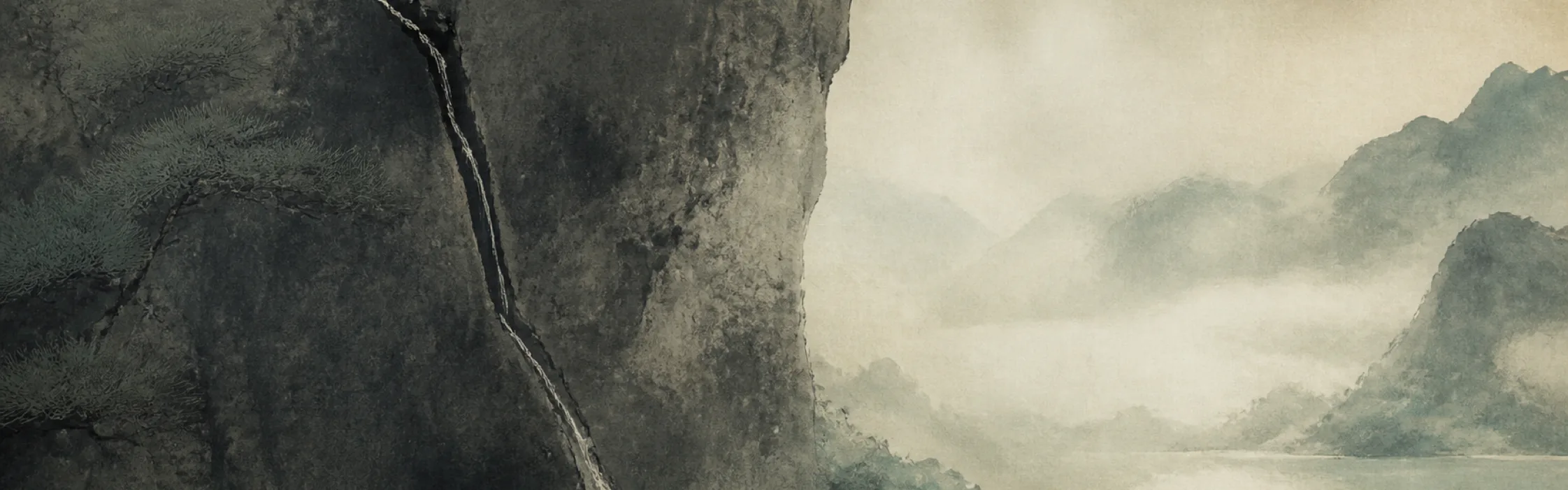
Water, air, patience, and attention can pass where rigid force cannot. The chapter draws a practical conclusion from this: non-forcing has real benefit. Its influence may be difficult to measure because it works through fit and presence rather than visible struggle.
Chapter 43 — The Softest Overcomes the Hardest

Classical text

天下之至柔,驰骋天下之至坚。无有入无间,吾是以知无为之有益。不言之教,无为之益,天下希及之。

Original rendering

The softest thing under heaven moves freely through the hardest. That which has no fixed substance enters where there is no gap. Through this I know the benefit of non-forcing. Teaching without words and the benefit of non-forcing—few in the world reach them.

Beginner’s guide

Teaching without words does not reject explanation. It means that conduct, environment, and example teach before slogans do. Soft influence is not always sufficient—some boundaries need firmness—but force should not become the default merely because it is easier to see.

Key ideas

  • Adaptability reaches places rigidity cannot.

  • Example often teaches more deeply than instruction alone.

  • Visible effort is not the only measure of effective action.

Reading it in modern life

Model the behaviour you request from others. In a blocked conversation, reduce pressure and listen for the narrow opening through which trust can return. Use the smallest intervention able to restore movement before escalating to stronger control.

A question to carry

What might become possible if I used less pressure and more fit?


Continue reading the complete Tao Te Ching overview, Chapter 42 or continue to Chapter 44.