Chapter 14 — The Formless Form

第十四章 无状之状

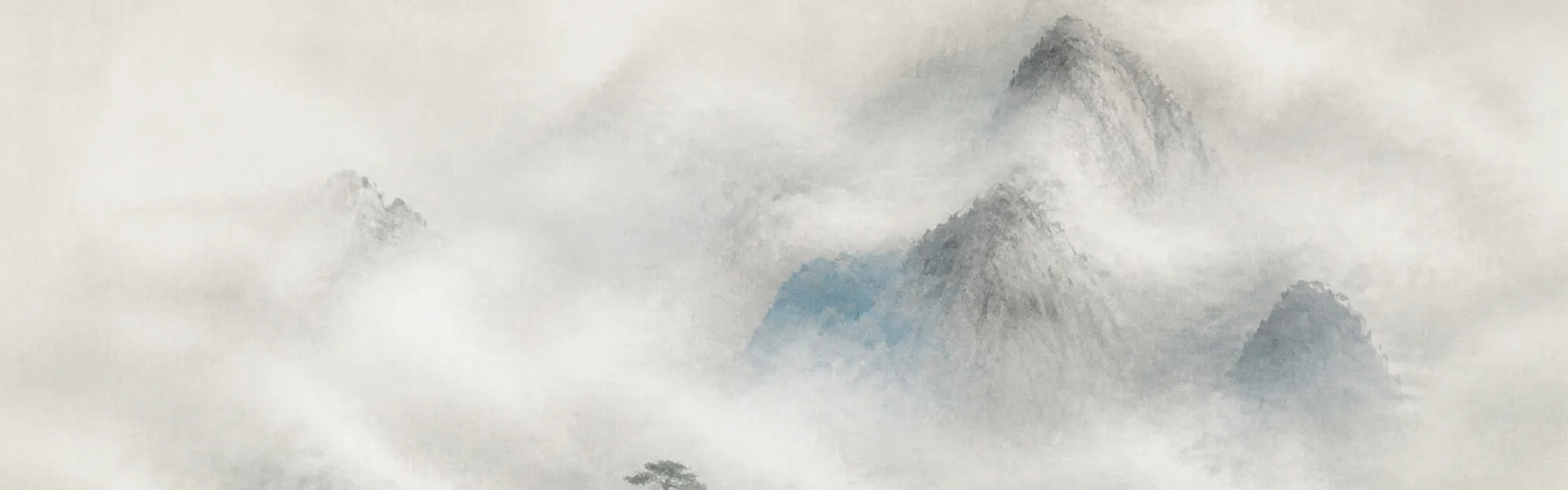
The Tao cannot be placed before us like a visible object, isolated sound, or thing we can grasp. This does not make it unreal. It names the continuous pattern through which visible things arise and pass away. We recognize it indirectly, by following change without inventing a final beginning or end.
Chapter 14 — The Formless Form

Classical text

视之不见,名曰夷;听之不闻,名曰希;搏之不得,名曰微。此三者,不可致诘,故混而为一。其上不皦,其下不昧,绳绳不可名,复归于无物。是谓无状之状,无物之象,是谓惚恍。迎之不见其首,随之不见其后。执古之道,以御今之有。能知古始,是谓道纪。

Original rendering

Look for it and it cannot be seen—call it colourless. Listen for it and it cannot be heard—call it soundless. Reach for it and it cannot be held—call it subtle. These three cannot be separately examined, so they merge as one. Above it is not bright; below it is not dark. Continuous and impossible to name, it returns to no-thing. This is called the form of the formless, the image of no-thing, the indistinct and elusive. Meet it and no beginning is seen; follow it and no end is seen. Hold to the ancient Tao to guide what is present. To know the ancient beginning is called the thread of the Tao.

Beginner’s guide

The passage does not ask for belief in a hidden object. It trains attention away from isolated appearances and toward continuity, relationship, and process. The “ancient Tao” is useful now because change still has patterns: growth takes time, excess reverses, and forms depend on conditions.

Key ideas

  • Not everything real appears as a separate object.

  • Process is known through continuity and effects.

  • Ancient insight becomes useful when it guides present conditions rather than replacing observation.

Reading it in modern life

When a problem appears suddenly, look for the longer process that produced it: habits, incentives, neglected maintenance, or accumulated strain. Do not demand one visible cause when several conditions interact. Use principles as guides, then check them against the situation in front of you.

A question to carry

What continuing process am I missing because I am looking only for a single visible cause?


Continue reading the complete Tao Te Ching overview, Chapter 13 or continue to Chapter 15.