Chapter 66 — Leading from Below

第六十六章 善下为王

Rivers and seas receive valley streams because they occupy the lower ground. Laozi turns geography into leadership: a person can hold high responsibility while speaking humbly and placing personal advantage behind the people’s wellbeing.
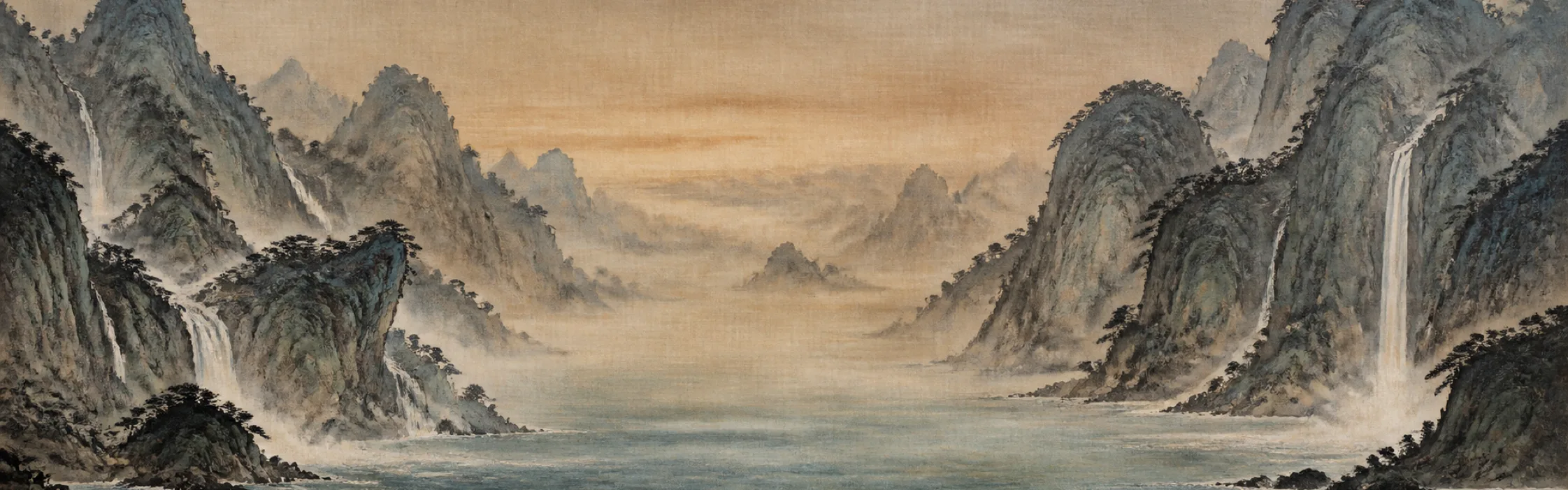
Chapter 66 — Leading from Below

Classical text

江海所以能为百谷王者,以其善下之,故能为百谷王。是以圣人欲上民,必以言下之;欲先民,必以身后之。是以圣人处上而民不重,处前而民不害。天下乐推而不厌,以其不争,故天下莫能与之争。

Original rendering

Rivers and seas can become rulers of the hundred valleys because they are skilled at taking the lower place; therefore they become rulers of the valleys. Thus when the sage wishes to stand above people, words must be placed below them; when wishing to lead, the self must be placed behind them. Therefore the sage stands above and people do not feel burdened, stands in front and people do not feel harmed. The world gladly supports such a person without weariness. Because there is no contention, no one can contend with the sage.

Beginner’s guide

Humility here is operational, not decorative. It changes who is heard, who carries cost, and who receives credit. A leader may still decide and be accountable, but authority should not press down as personal weight.

Key ideas

  • The lower place can gather and coordinate many streams.

  • Leadership puts shared wellbeing before personal advantage.

  • Authority is lighter when it does not demand constant recognition.

Reading it in modern life

Ask those closest to the work to speak before announcing a solution. Take responsibility for failure and distribute credit for success. Remove ceremonies that mainly make people carry the leader’s importance.

A question to carry

What would change if my authority functioned like the low sea that receives many streams?


Continue reading the complete Tao Te Ching overview, Chapter 65 or continue to Chapter 67.