Chapter 34 — Great Without Possessing

第三十四章 终不自为大

The Tao is pictured as a broad current flowing everywhere. All beings depend upon it, yet it issues no invoice of ownership and appoints itself ruler of none. Its greatness lies precisely in supporting life without turning support into a claim over what has grown.
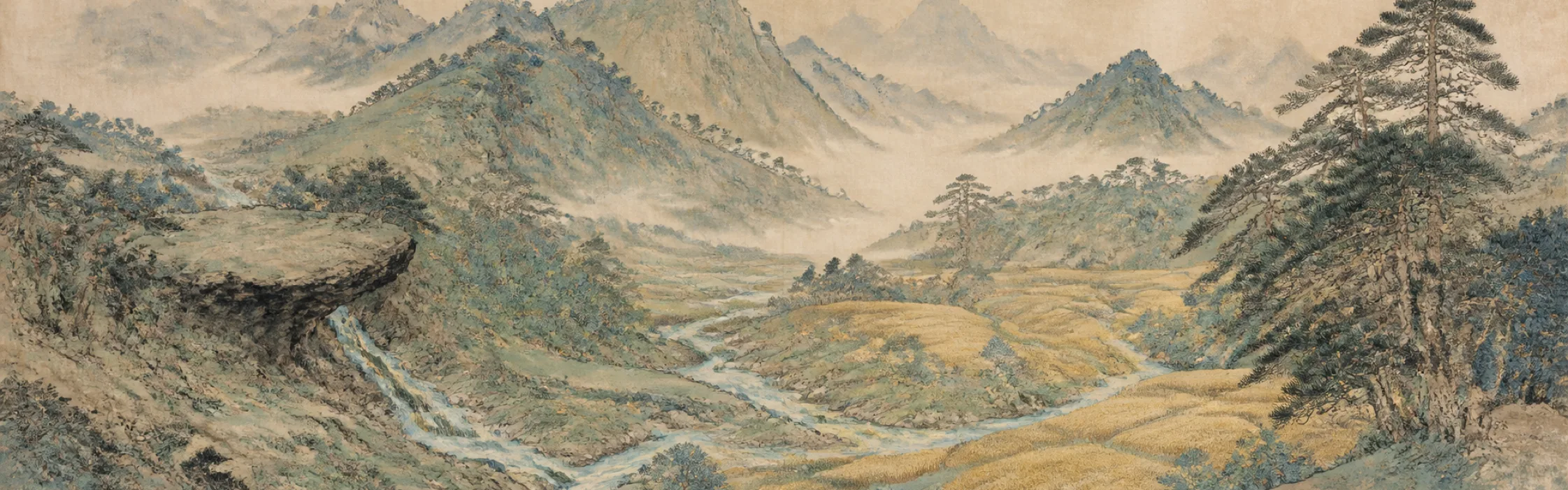
Chapter 34 — Great Without Possessing

Classical text

大道泛兮,其可左右。万物恃之以生而不辞,功成不名有。衣养万物而不为主,常无欲,可名于小;万物归焉而不为主,可名为大。以其终不自为大,故能成其大。

Original rendering

The great Tao overflows, moving to the left and to the right. The ten thousand things rely upon it for life, and it does not refuse them. Its work is completed, yet it does not name the result as its possession. It clothes and nourishes all things without becoming their master. Ever without grasping desire, it may be called small. All things return to it, yet it does not master them, so it may be called great. Because it never makes itself great, it is able to fulfil its greatness.

Beginner’s guide

Small and great are not simple opposites here. The Tao seems small because it does not force itself into the centre, but its inclusive support is immeasurable. The same pattern distinguishes service from dependency and leadership from ownership.

Key ideas

  • Nourishment does not create a right of possession.

  • Great influence may remain quiet and decentralised.

  • Refusing the image of greatness can protect the reality of it.

Reading it in modern life

Parents, teachers, and mentors can provide support while letting another person’s life remain their own. Leaders can build systems that work without collecting every decision and success around themselves. After helping, resist the demand that gratitude take one prescribed form.

A question to carry

Where has my support quietly become a claim to control the person or result?


Continue reading the complete Tao Te Ching overview, Chapter 33 or continue to Chapter 35.