Chapter 56 — Mysterious Unity

第五十六章 玄同

‘Those who know do not speak’ cannot literally prohibit teaching, since Laozi is speaking through a book. It warns that deepest understanding is not exhausted by explanation and does not need constant self-advertisement. Knowing changes how a person meets ordinary dust.
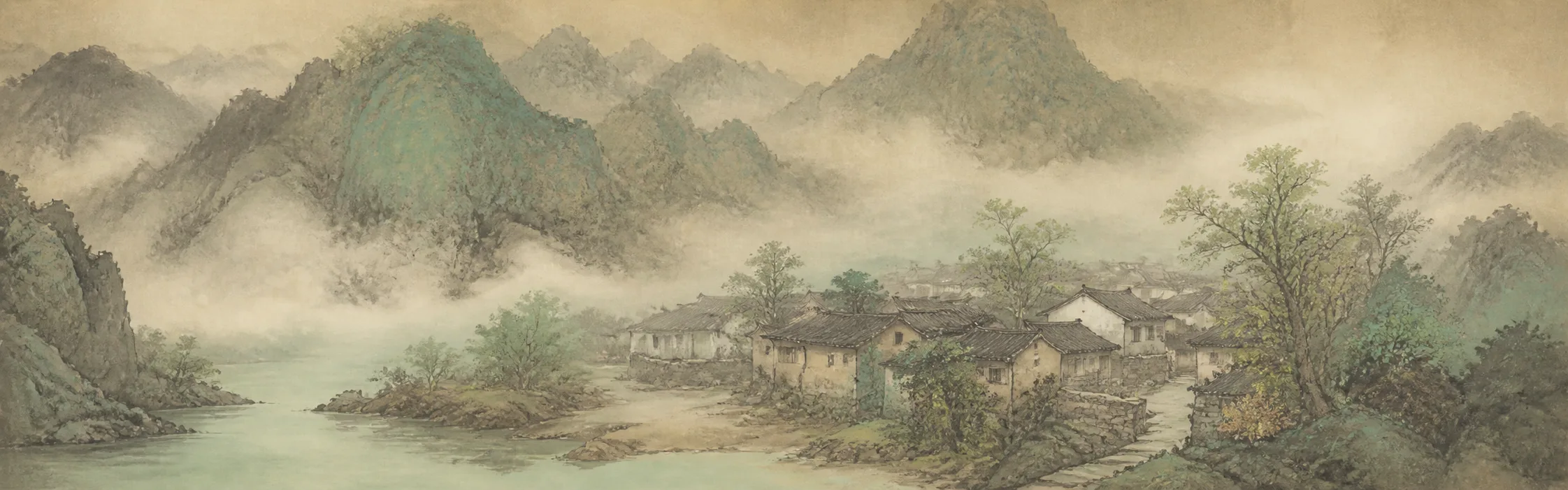
Chapter 56 — Mysterious Unity

Classical text

知者不言,言者不知。塞其兑,闭其门;挫其锐,解其纷;和其光,同其尘,是谓玄同。故不可得而亲,不可得而疏;不可得而利,不可得而害;不可得而贵,不可得而贱,故为天下贵。

Original rendering

Those who know do not rely on speech; those who merely speak do not yet know. Close the openings and guard the gates; blunt sharpness and untie tangles; soften the light and join the dust. This is called mysterious unity. Such a person cannot be captured by intimacy or distance, profit or harm, honour or disgrace, and therefore is valued by the world.

Beginner’s guide

Mysterious unity is not emotional coldness. It means that praise, rejection, advantage, and status no longer completely control conduct. Softening one’s light allows wisdom to take part in common life without demanding special treatment.

Key ideas

  • Explanation cannot contain the whole of lived knowing.

  • Wisdom softens sharp identity and joins ordinary life.

  • Freedom grows when favour and disgrace no longer dictate conduct.

Reading it in modern life

Speak enough to guide, then let action demonstrate the rest. Avoid using specialised knowledge to create unnecessary distance. When praised or criticised, wait before changing direction and return to the evidence and principle involved.

A question to carry

What do I keep explaining because I still need others to confirm that I know it?


Continue reading the complete Tao Te Ching overview, Chapter 55 or continue to Chapter 57.