Chapter 28 — Returning to the Uncarved Block

第二十八章 复归于朴

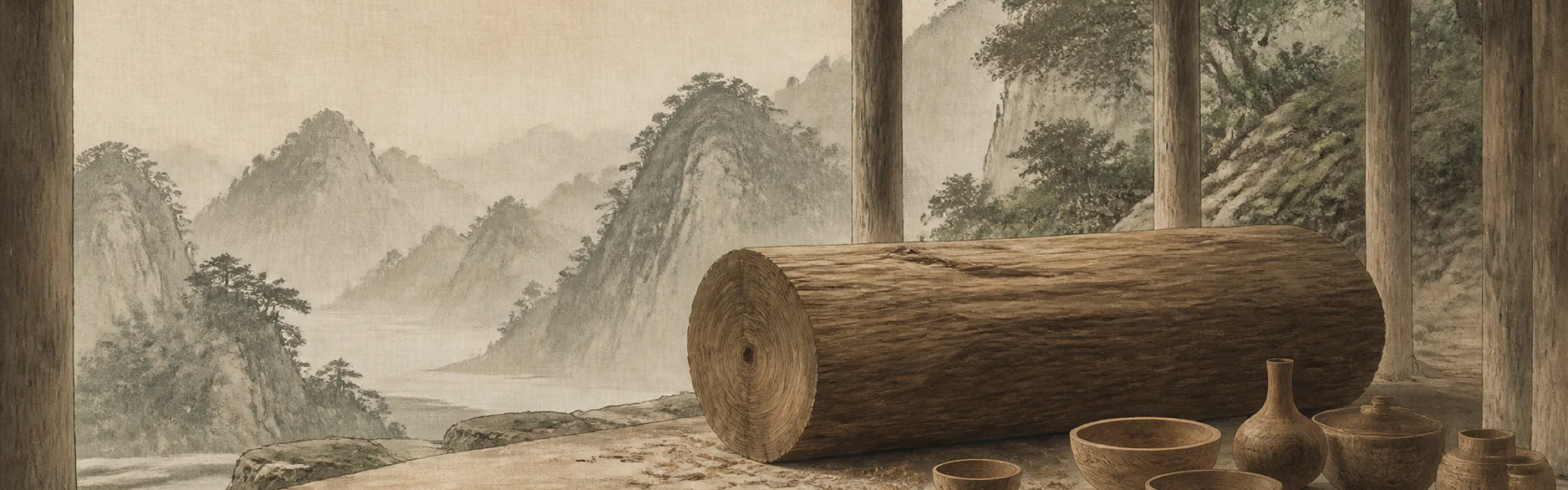
The chapter does not ask us to know only one side. It says: know the assertive, bright, and honoured, yet remain connected to the receptive, dark, and humble. Capacity becomes trustworthy when it includes its counterweight. From this balance one returns to infant vitality, boundlessness, and uncarved wholeness.
Chapter 28 — Returning to the Uncarved Block

Classical text

知其雄,守其雌,为天下溪。为天下溪,常德不离,复归于婴儿。知其白,守其黑,为天下式。为天下式,常德不忒,复归于无极。知其荣,守其辱,为天下谷。为天下谷,常德乃足,复归于朴。朴散则为器,圣人用之,则为官长,故大制不割。

Original rendering

Know the masculine, keep to the feminine, and become the streambed of the world. As the world’s streambed, constant virtue will not depart, and one returns to the infant. Know the white, keep to the black, and become the pattern of the world. As the world’s pattern, constant virtue does not err, and one returns to the limitless. Know honour, keep to disgrace, and become the valley of the world. As the world’s valley, constant virtue is sufficient, and one returns to the uncarved block. When the block is divided, it becomes useful vessels. The sage uses them and becomes a leader of officials; therefore great shaping does not sever the whole.

Beginner’s guide

The gendered images are symbolic qualities, not rules assigning men and women fixed roles. The final lines acknowledge specialization: uncarved wood becomes tools. Wise organization uses distinct functions without forgetting the shared whole from which they came.

Key ideas

  • Mature strength remains connected to receptivity.

  • Humility keeps honour from separating a person from others.

  • Specialization should serve the whole rather than fracture it.

Reading it in modern life

Develop authority and listening together. After receiving a title, continue doing some ordinary work that keeps you close to consequences. Let departments, techniques, and roles remain distinct, but design communication so that no part mistakes itself for the whole.

A question to carry

Which complementary quality must I keep so that my strength remains whole?


Continue reading the complete Tao Te Ching overview, Chapter 27 or continue to Chapter 29.