Chapter 62 — The Refuge of All Things

第六十二章 道者万物之奥

The Tao is presented as the inward shelter of all things. Good people treasure it, while those who have acted badly still need its protection and transforming possibility. Accountability remains necessary, but condemnation should not erase the path of return.
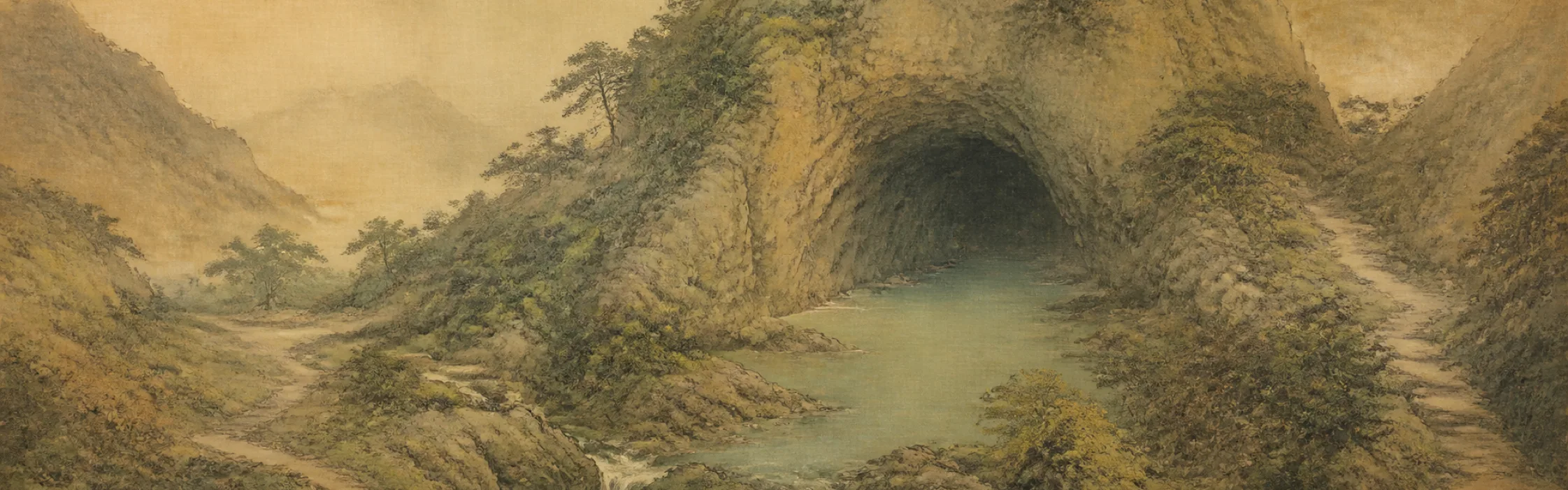
Chapter 62 — The Refuge of All Things

Classical text

道者万物之奥,善人之宝,不善人之所保。美言可以市尊,美行可以加人。人之不善,何弃之有?故立天子,置三公,虽有拱璧以先驷马,不如坐进此道。古之所以贵此道者何?不曰求以得,有罪以免邪?故为天下贵。

Original rendering

The Tao is the inner refuge of the ten thousand things: the treasure of the good and the protection of those who are not good. Fine words may purchase honour, and fine conduct may raise a person above others. But when someone is not good, why abandon them? Thus at the enthronement of a ruler and appointment of ministers, presenting a great jade disc before a team of horses is not equal to sitting and offering this Tao. Why did the ancients value the Tao? Was it not said: those who seek may find, and those with faults may be released from them? Therefore it is valued by the world.

Beginner’s guide

Release from fault is not immunity from consequences. It means that wrongdoing does not have to become permanent identity. The Tao is precious because it supports honest correction and renewed participation, not because it hides harm.

Key ideas

  • A worthy path remains open to those who have failed.

  • Prestige and gifts are less valuable than genuine transformation.

  • Accountability should make return possible where safety allows.

Reading it in modern life

When correcting misconduct, define repair, restitution, and evidence of change. Avoid language that freezes a person forever at their worst act. Offer education and a path back without removing protection for those harmed.

A question to carry

Can I hold someone accountable while leaving a real path from fault toward repair?


Continue reading the complete Tao Te Ching overview, Chapter 61 or continue to Chapter 63.