Chapter 60 — Governing Like Cooking a Small Fish

第六十章 治大国若烹小鲜

A small fish falls apart when turned and prodded too often. Laozi applies this kitchen image to large-scale governance: complexity does not always need more handling. Frequent intervention can break the very relationships that hold a society together.
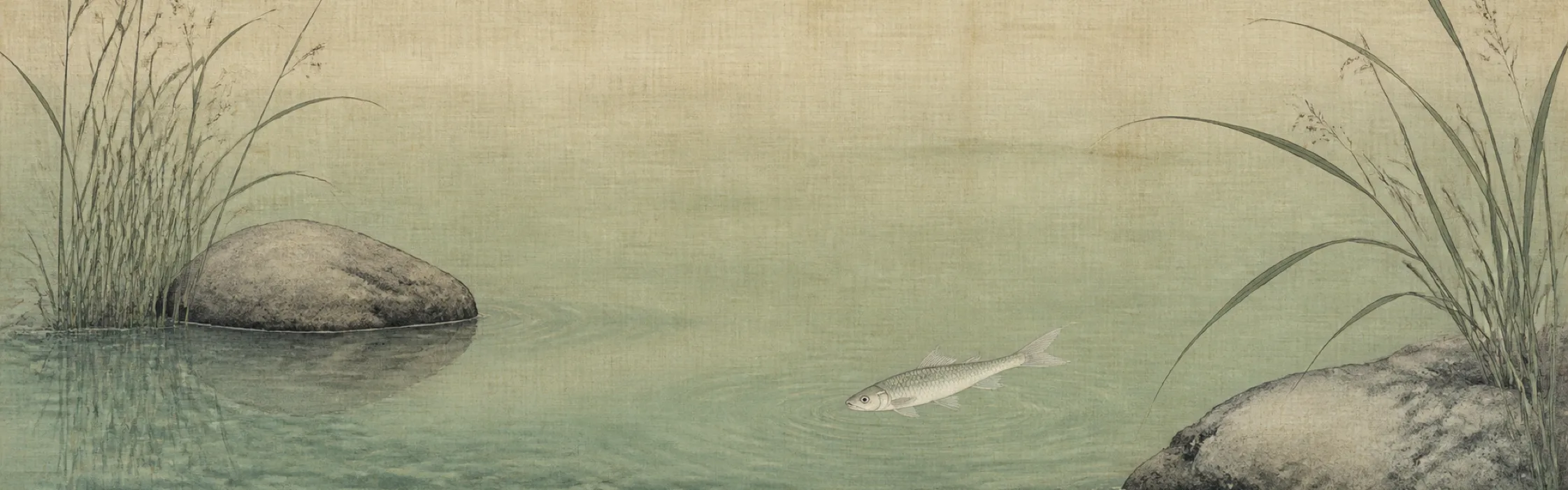
Chapter 60 — Governing Like Cooking a Small Fish

Classical text

治大国,若烹小鲜。以道莅天下,其鬼不神;非其鬼不神,其神不伤人;非其神不伤人,圣人亦不伤人。夫两不相伤,故德交归焉。

Original rendering

Governing a large state is like cooking a small fish. When the world is guided through the Tao, its spirits do not exercise harmful power. It is not that the spirits have no power, but their power does not injure people. It is not only that their power does not injure people; the sage also does not injure them. When neither harms the other, virtue returns and is shared between them.

Beginner’s guide

The references to spirits belong to the ancient religious world of the text. The practical principle remains accessible whether read religiously or philosophically: good order reduces mutual harm between visible authority, unseen forces, communities, and ordinary people.

Key ideas

  • Complex systems can be damaged by constant handling.

  • Restraint allows different powers to remain within limits.

  • Virtue gathers where neither side seeks to injure the other.

Reading it in modern life

After setting a sound process, avoid changing it with every mood or complaint. Monitor without repeatedly overturning responsibilities. In cultural or religious matters, act with respect and do not use belief—either belief or disbelief—as a tool to humiliate others.

A question to carry

What am I handling so often that my intervention is beginning to break it?


Continue reading the complete Tao Te Ching overview, Chapter 59 or continue to Chapter 61.