Chapter 74 — Do Not Take the Executioner’s Place

第七十四章 代大匠斲

When people no longer fear death, threatening death cannot restore order. The chapter asks rulers to look beneath punishment toward the conditions that have made life desperate. It also warns against assuming the role of ultimate executioner.
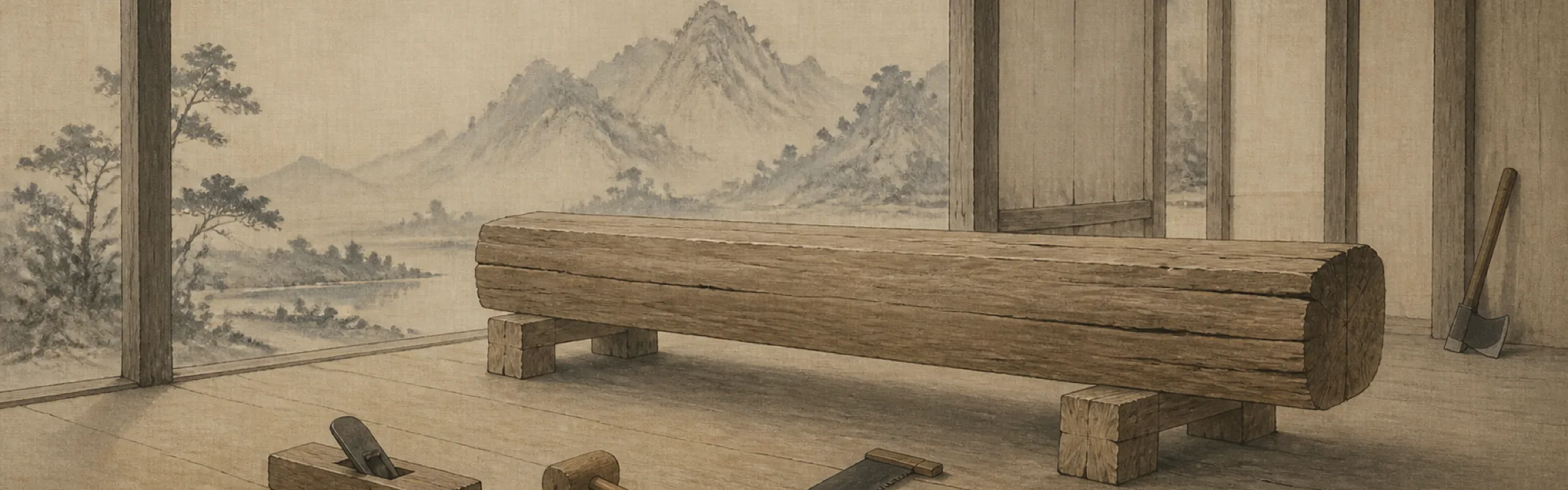
Chapter 74 — Do Not Take the Executioner’s Place

Classical text

民不畏死,奈何以死惧之?若使民常畏死,而为奇者,吾得执而杀之,孰敢?常有司杀者杀。夫代司杀者杀,是谓代大匠斲。夫代大匠斲者,希有不伤其手矣。

Original rendering

If people do not fear death, how can death be used to frighten them? If people always feared death, and those who acted strangely could be seized and killed, who would dare? Yet there is always an appointed power of death. To kill in place of that power is called cutting in place of the master carpenter. Those who cut in place of the master carpenter rarely avoid wounding their own hands.

Beginner’s guide

Interpretations differ on whether the ‘appointed executioner’ means lawful authority, nature, or heaven. Across readings, the caution is strong: killing is not an ordinary instrument to be seized lightly. Modern readers should approach the passage as a critique of punitive overconfidence, not a procedure for violence.

Key ideas

  • Punishment loses deterrent power when life becomes unbearable.

  • Ultimate force carries grave moral and practical risk.

  • Authority should address causes, not rely only on fear.

Reading it in modern life

When deterrence fails, investigate deprivation, despair, exclusion, and perceived injustice. Use accountable institutions, due process, and the least harmful effective response. Never confuse personal anger with a right to impose irreversible punishment.

A question to carry

What underlying condition is punishment trying—and failing—to conceal?


Continue reading the complete Tao Te Ching overview, Chapter 73 or continue to Chapter 75.