Chapter 71 — Knowing That You Do Not Know

第七十一章 知不知上

Intellectual humility is not vague indecision. It is the ability to distinguish what is known, what is inferred, and what remains uncertain. Once uncertainty is hidden behind confidence, correction becomes difficult and small errors can spread through important decisions.
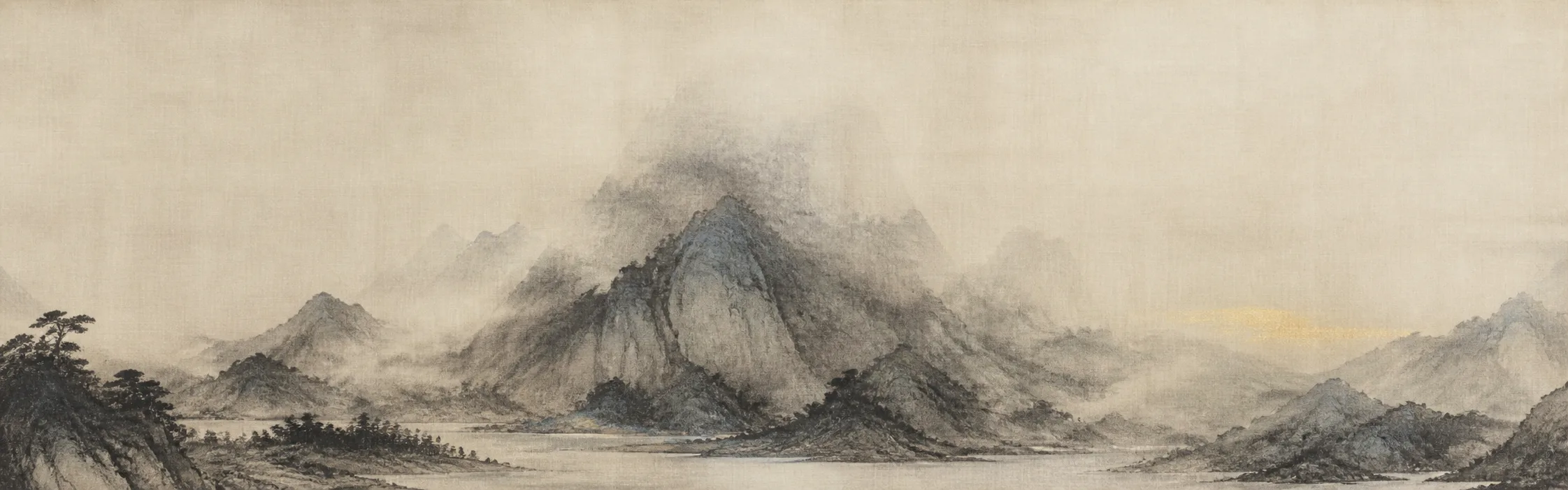
Chapter 71 — Knowing That You Do Not Know

Classical text

知不知,上;不知知,病。夫唯病病,是以不病。圣人不病,以其病病,是以不病。

Original rendering

To know that one does not know is highest. Not to know yet to believe one knows is a sickness. Only by recognising the sickness as sickness can one be free from it. The sage is not sick because the sage treats this sickness as sickness, and therefore is free from it.

Beginner’s guide

The repeated word ‘sickness’ describes a habit of mind, not a medical diagnosis. The cure begins when a person can name the limit without shame. Experts especially need this capacity because confident error carries wider consequence.

Key ideas

  • Wisdom includes accurate awareness of uncertainty.

  • Pretended certainty blocks correction.

  • Naming a limitation is the beginning of learning, not a loss of dignity.

Reading it in modern life

In a decision, mark facts, interpretations, and unknowns separately. Say ‘I do not yet know’ when evidence is insufficient, then define how to learn more. Reward people who identify errors early instead of forcing them to defend appearances.

A question to carry

What do I need to admit I do not yet know so that real learning can begin?


Continue reading the complete Tao Te Ching overview, Chapter 70 or continue to Chapter 72.