Chapter 17 — Leadership That Leaves No Burden

第十七章 百姓皆谓我自然

Leadership is ranked here by the relationship it creates. The lowest depends on contempt or fear; a better form wins affection and praise; the highest is barely noticed because people possess enough trust, information, and ability to complete the work without feeling managed at every moment.
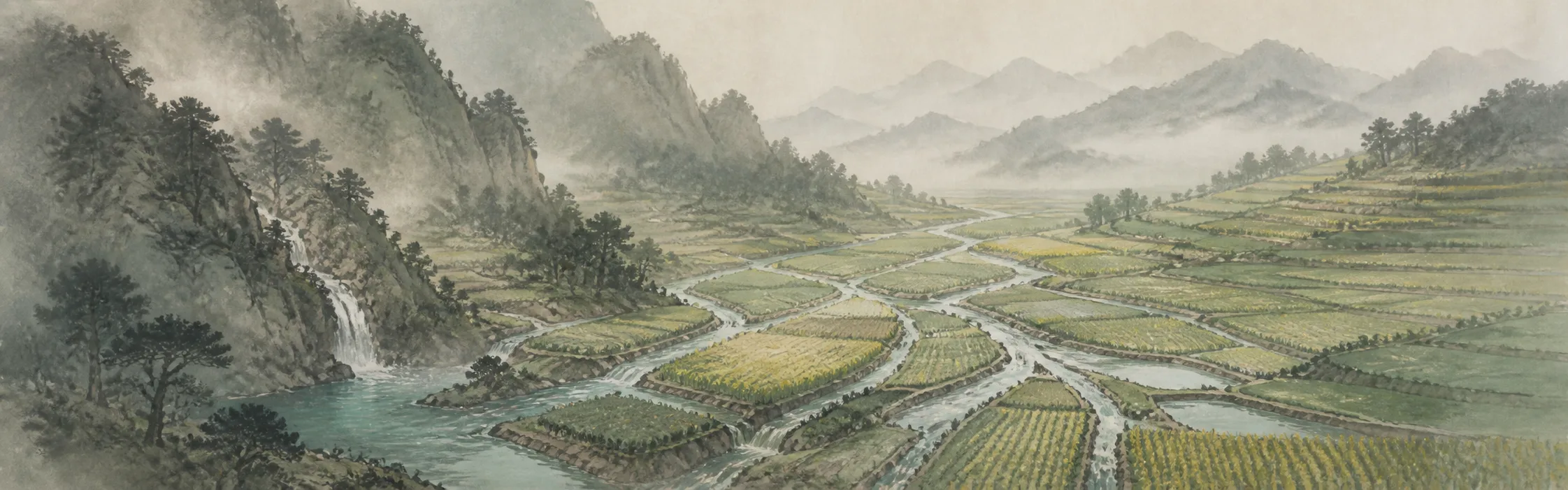
Chapter 17 — Leadership That Leaves No Burden

Classical text

太上,下知有之;其次,亲而誉之;其次,畏之;其次,侮之。信不足焉,有不信焉。悠兮,其贵言。功成事遂,百姓皆谓我自然。

Original rendering

The highest ruler is known below only to exist. Next comes one who is loved and praised; next, one who is feared; next, one who is despised. When trust is insufficient, distrust appears. The best ruler is careful and sparing with words. When the work is completed and affairs succeed, the people all say, “We did it naturally, by ourselves.”

Beginner’s guide

Invisible leadership does not mean absent leadership. Conditions still have to be designed, resources provided, boundaries clarified, and responsibility accepted. The leader simply avoids making dependence and personal display the measure of success.

Key ideas

  • Trust is a working condition, not a slogan.

  • Authority can develop capability instead of dependence.

  • Credit shared with participants strengthens ownership.

Reading it in modern life

Give people the purpose, limits, resources, and decision space appropriate to their role. Speak clearly, then avoid constant interference. After success, describe what the group learned and built rather than presenting yourself as the sole cause.

A question to carry

Does my way of leading leave people more capable when I am not present?


Continue reading the complete Tao Te Ching overview, Chapter 16 or continue to Chapter 18.