Chapter 73 — The Courage Not to Force

第七十三章 天网恢恢

There is courage in daring to act and another courage in refusing a reckless act. Either can help or harm depending on conditions, so the sage treats forceful decisions as difficult. The chapter resists simple formulas about bravery.
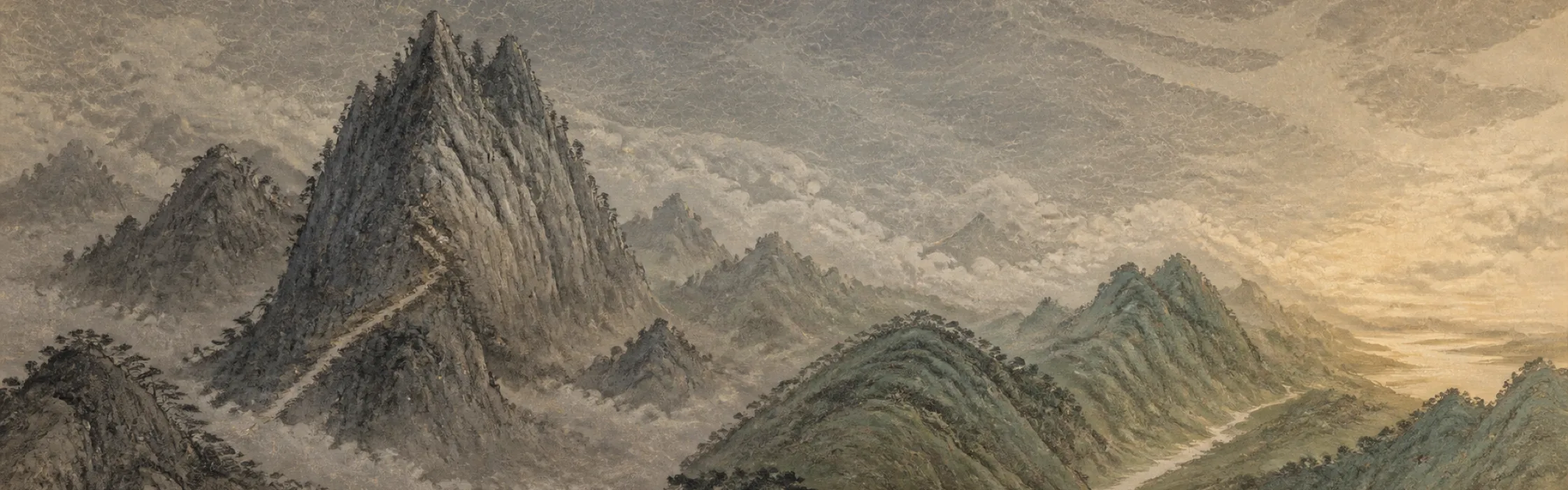
Chapter 73 — The Courage Not to Force

Classical text

勇于敢则杀,勇于不敢则活。此两者,或利或害。天之所恶,孰知其故?是以圣人犹难之。天之道,不争而善胜,不言而善应,不召而自来,繟然而善谋。天网恢恢,疏而不失。

Original rendering

Courage in daring may lead to death; courage in not daring may preserve life. Of these two, one may benefit and one may harm. Who knows the reason for what heaven rejects? The sage also finds this difficult. The Way of heaven does not contend yet is skilled in prevailing, does not speak yet is skilled in answering, does not summon yet things arrive, is spacious yet skilled in planning. Heaven’s net is vast; its mesh seems wide, yet nothing is lost.

Beginner’s guide

Heaven’s net represents consequence within a larger order, not a simple promise that every event receives immediate visible punishment. The modern lesson is to respect delayed effects and avoid calling impulsiveness courage.

Key ideas

  • Restraint can require as much courage as action.

  • Consequences may be delayed without being absent.

  • Wise decisions resist simple heroic formulas.

Reading it in modern life

Before a dramatic act, name the quieter courage it might require to wait, negotiate, or withdraw. Include long-term effects that are not immediately visible. Treat irreversible decisions with extra time and independent review.

A question to carry

Does this moment call for courage to act, or courage not to force?


Continue reading the complete Tao Te Ching overview, Chapter 72 or continue to Chapter 74.