Chapter 24 — Standing Without Straining

第二十四章 企者不立

Standing on tiptoe makes a person taller for a moment but less stable. Taking exaggerated strides may look fast but cannot support a journey. The chapter links physical strain with social strain: displaying oneself, insisting on being right, boasting, and self-exaltation all trade continuity for a brief appearance of advantage.
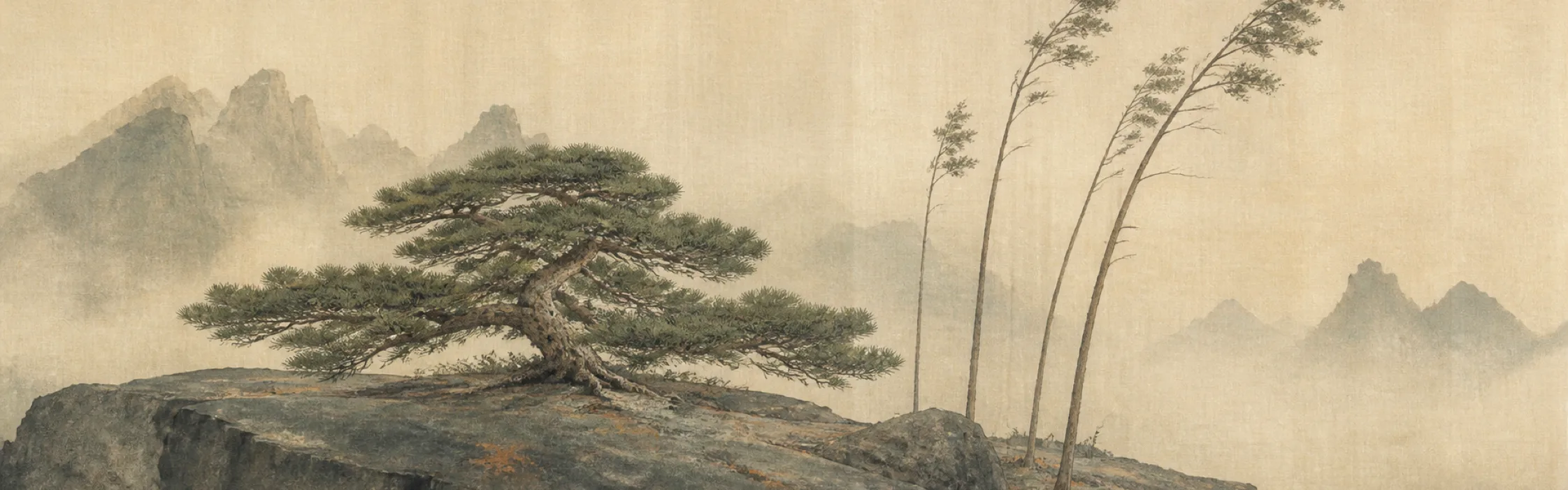
Chapter 24 — Standing Without Straining

Classical text

企者不立;跨者不行。自见者不明;自是者不彰;自伐者无功;自矜者不长。其在道也,曰余食赘行,物或恶之,故有道者不处。

Original rendering

One who stands on tiptoe does not stand firmly; one who takes great strides does not travel well. One who displays the self is not clear; one who declares the self correct does not become evident; one who boasts has no lasting achievement; one who exalts the self does not endure. From the perspective of the Tao, these are called leftover food and burdensome growths. Things often reject them, so one who has the Tao does not dwell in them.

Beginner’s guide

The passage does not prohibit confidence or explaining good work. It distinguishes communication from inflation. When energy goes into enlarging appearance, the underlying stance becomes unstable and the work carries extra weight.

Key ideas

  • Temporary height can reduce long-term stability.

  • Self-promotion is costly when it replaces substance.

  • Excess display becomes a burden to the work and its audience.

Reading it in modern life

Use a pace your body, finances, or team can maintain. Describe achievements with verifiable facts and acknowledge contributors. If a proposal needs constant exaggeration to seem worthwhile, improve the substance or let it go.

A question to carry

Where am I standing on tiptoe instead of building a stable base?


Continue reading the complete Tao Te Ching overview, Chapter 23 or continue to Chapter 25.