Chapter 48 — Learning by Letting Go

第四十八章 为道日损

Education often proceeds by addition: new facts, methods, and distinctions. Practice of the Tao includes another movement—removing habits, excess desires, and unnecessary interventions that obstruct clear response. The two are not enemies; mature learning knows when to add and when to release.
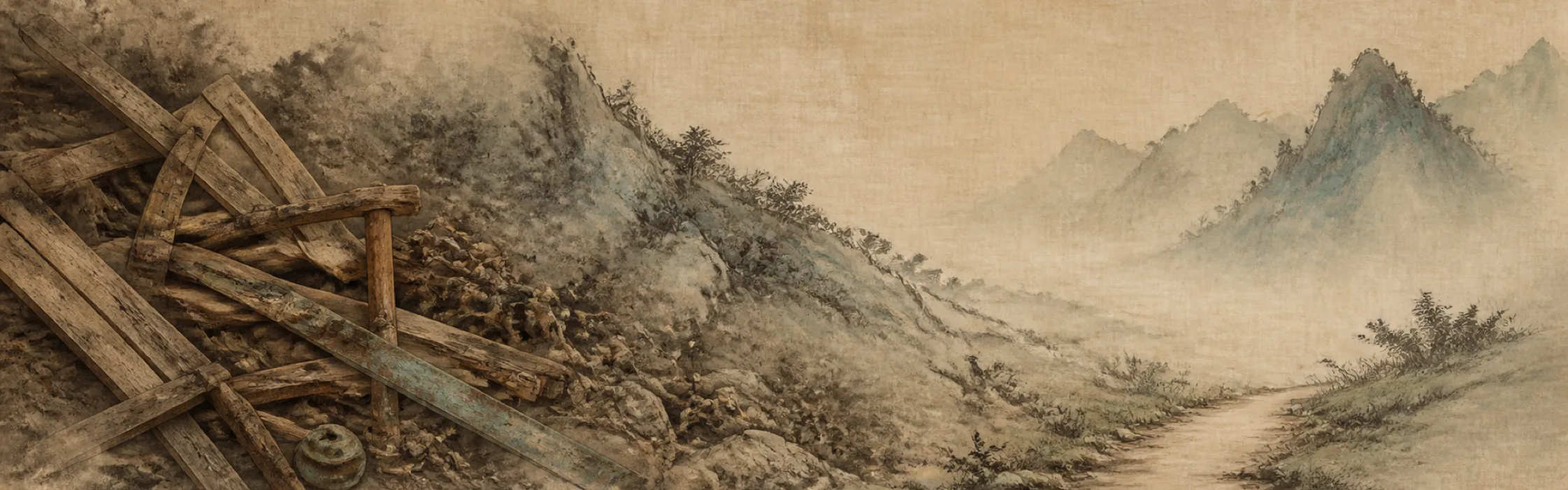
Chapter 48 — Learning by Letting Go

Classical text

为学日益,为道日损。损之又损,以至于无为。无为而无不为。取天下常以无事;及其有事,不足以取天下。

Original rendering

In pursuing learning, one increases day by day. In pursuing the Tao, one decreases day by day. Decrease and decrease again until reaching non-forcing. Through non-forcing, nothing remains undone. The world is guided by not multiplying affairs; once interference multiplies, it is no longer sufficient to guide the world.

Beginner’s guide

Letting go does not mean becoming uninformed. It means that knowledge should eventually simplify action rather than burden it. Like a skilled movement, what first required many instructions can become direct when needless tension is released.

Key ideas

  • Growth includes subtraction as well as accumulation.

  • Skill matures when knowledge becomes simple response.

  • Excess intervention can prevent the order it tries to create.

Reading it in modern life

Remove one unnecessary step from a repeated process. In training, identify tension that does not contribute to the movement. Before adding a new rule, ask whether clearer purpose or fewer conflicting demands would solve the problem.

A question to carry

What can I remove so that what matters works more naturally?


Continue reading the complete Tao Te Ching overview, Chapter 47 or continue to Chapter 49.