Chapter 22 — Bending Without Breaking

第二十二章 曲则全

The chapter gathers paradoxes from ordinary experience. A branch that bends may survive the storm; a hollow receives water; what is worn can be renewed; fewer demands can bring clearer possession. The sage applies the same logic to identity, refusing to make self-assertion the centre of action.
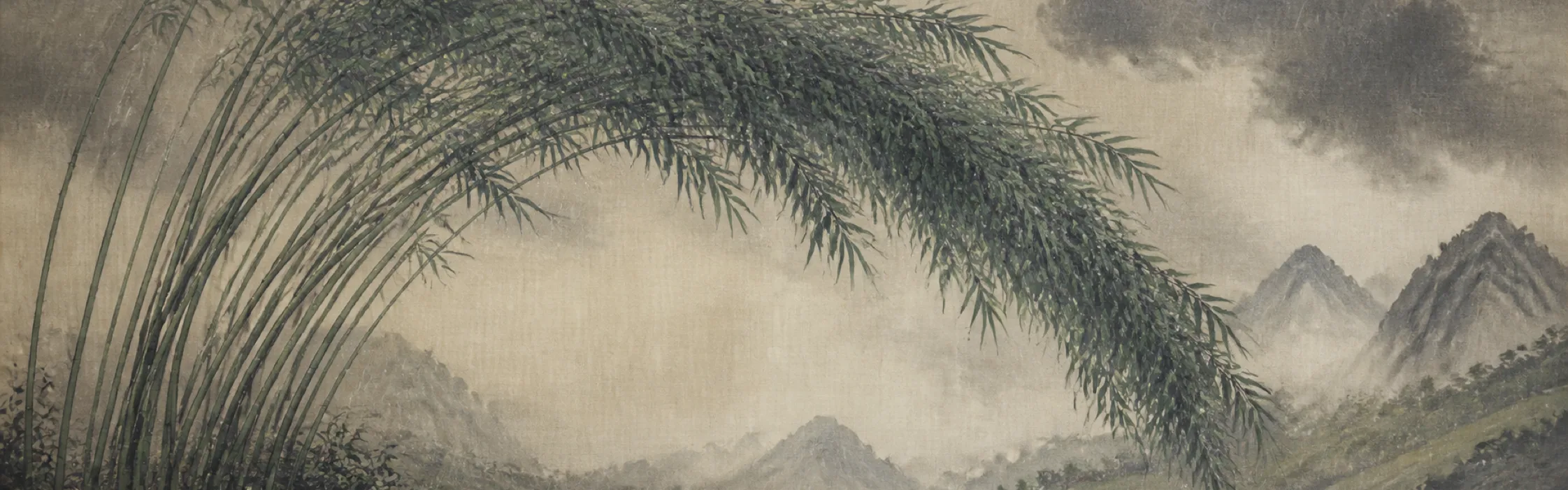
Chapter 22 — Bending Without Breaking

Classical text

曲则全,枉则直;洼则盈,敝则新;少则得,多则惑。是以圣人抱一为天下式。不自见,故明;不自是,故彰;不自伐,故有功;不自矜,故长。夫唯不争,故天下莫能与之争。古之所谓曲则全者,岂虚言哉!诚全而归之。

Original rendering

Bend and remain whole; be crooked and become straight. Be low and receive fullness; be worn and become new. Have little and gain; have much and become confused. Therefore the sage embraces the One and becomes a pattern for the world. Not displaying the self, the sage is clear; not declaring the self correct, the sage becomes evident; not boasting, the sage has achievement; not exalting the self, the sage endures. Because there is no contention, no one in the world can contend with the sage. The ancient saying ‘bend and remain whole’—could it be empty words? Truly, wholeness returns through it.

Beginner’s guide

Yielding is not surrendering every principle. It is the ability to adjust form so that purpose survives. The four warnings about self-display show where rigidity often begins: needing to be seen, right, credited, and superior.

Key ideas

  • Flexibility protects what matters through changing conditions.

  • Low places can receive what high, rigid positions cannot.

  • Self-assertion often weakens the very achievement it advertises.

Reading it in modern life

In a negotiation, distinguish the essential need from the preferred method. Admit a correct point made by an opponent. Share evidence without turning every discussion into a defence of identity. Simplify commitments when having too many makes each one shallow.

A question to carry

Where can I change shape without betraying the real purpose?


Continue reading the complete Tao Te Ching overview, Chapter 21 or continue to Chapter 23.