Chapter 79 — After a Great Resentment

第七十九章 和大怨

A signed agreement does not instantly erase the memory, fear, and mistrust created by a serious conflict. Laozi recognises this residue instead of pretending that settlement equals complete reconciliation. Virtue appears in how responsibility is carried afterward.
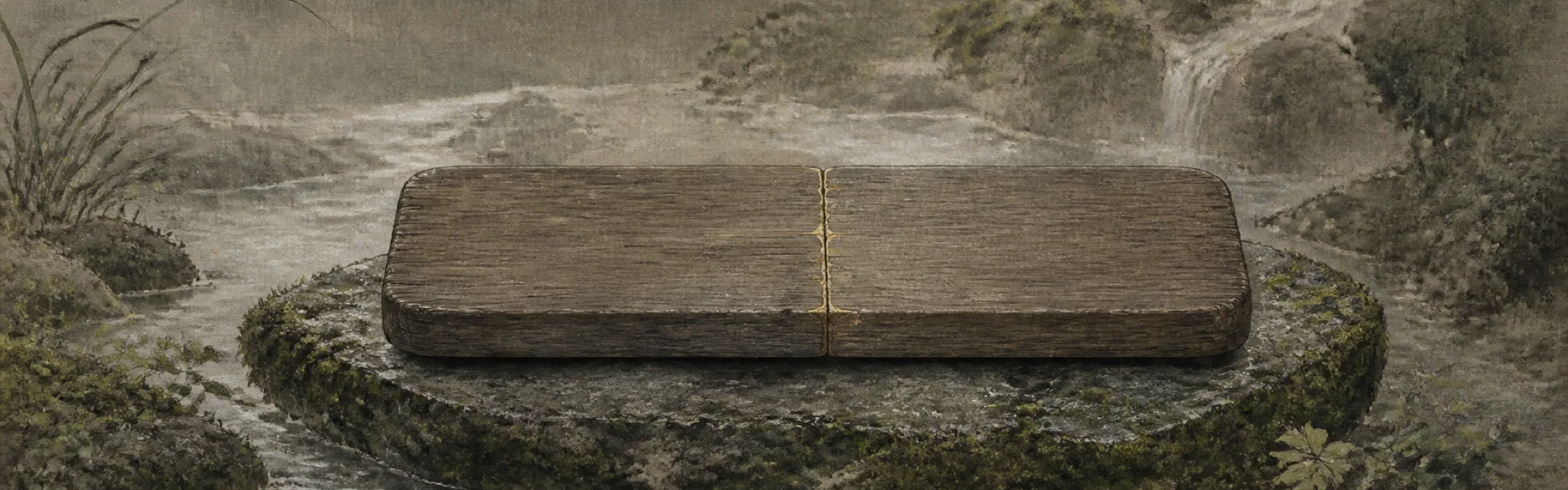
Chapter 79 — After a Great Resentment

Classical text

和大怨,必有余怨,安可以为善?是以圣人执左契,而不责于人。有德司契,无德司彻。天道无亲,常与善人。

Original rendering

After reconciling a great resentment, some resentment necessarily remains. How could this alone be called good? Therefore the sage holds the left half of the contract yet does not press claims against others. One with virtue attends to one’s own obligation; one without virtue attends only to collection. The Way of heaven has no private favourites; it consistently accompanies the good.

Beginner’s guide

Ancient contracts were divided, and matching halves confirmed obligation. The sage keeps the evidence but does not turn it into relentless extraction. This does not cancel fair restitution; it asks each side, especially the stronger, to avoid keeping resentment alive through punishment beyond repair.

Key ideas

  • Formal settlement does not erase emotional residue.

  • Virtue begins with fulfilling one’s own side of repair.

  • Justice becomes harmful when collection continues beyond restoration.

Reading it in modern life

After conflict, distinguish safety requirements, fair repair, and the wish to make the other side keep suffering. Keep agreements clear, but allow trust to rebuild through time and evidence. Do not force emotional closeness before readiness.

A question to carry

Which part of my demand serves repair, and which part only keeps resentment alive?


Continue reading the complete Tao Te Ching overview, Chapter 78 or continue to Chapter 80.