Chapter 75 — When Rulers Consume Too Much

第七十五章 民之饥

Laozi links public suffering to the behaviour of rulers rather than blaming ordinary people alone. Heavy extraction creates hunger; repeated interference creates resistance; desperate pursuit of survival can make death seem less frightening. Governance must examine what it takes from life.
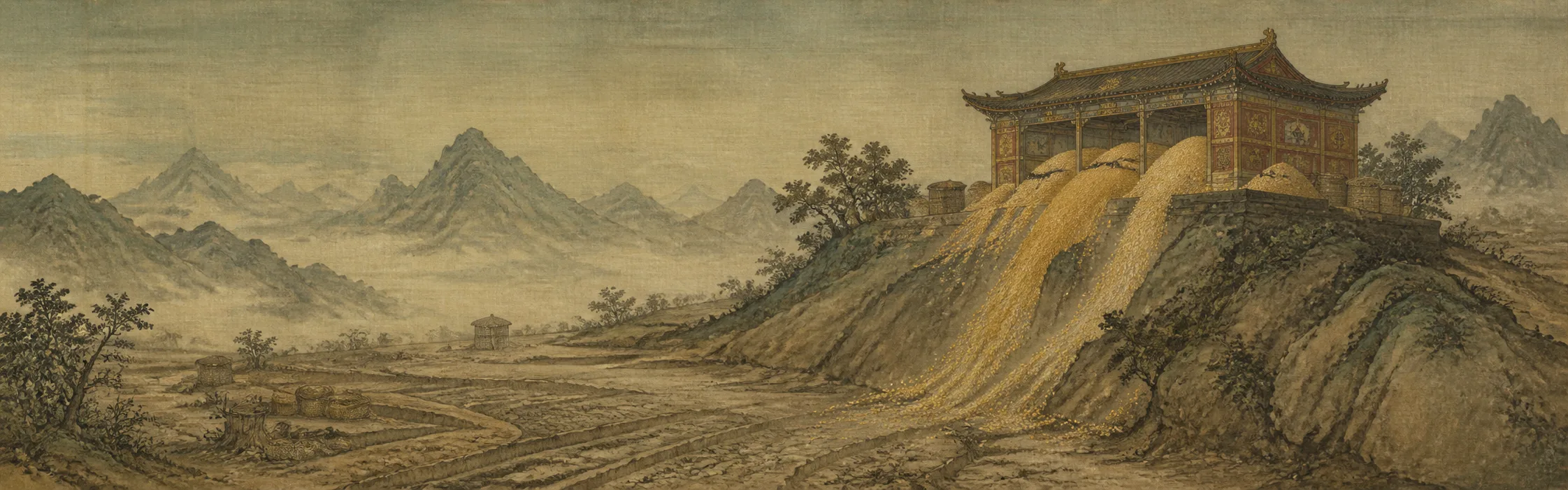
Chapter 75 — When Rulers Consume Too Much

Classical text

民之饥,以其上食税之多,是以饥。民之难治,以上之有为,是以难治。民之轻死,以其求生之厚,是以轻死。夫唯无以生为者,是贤于贵生。

Original rendering

People are hungry because those above consume too much in taxes; therefore they hunger. People are difficult to govern because those above interfere too much; therefore they are difficult to govern. People take death lightly because their pursuit of survival has become too burdensome; therefore they take death lightly. Only one who does not manipulate life for the sake of living is wiser than one who merely prizes life.

Beginner’s guide

The chapter does not romanticise deprivation or tell suffering people to desire less. Its criticism is directed upward at extraction and policy. Valuing life requires making life livable, not merely praising survival while increasing its burden.

Key ideas

  • Public hardship often reflects institutional extraction.

  • Overcontrol can create the resistance it condemns.

  • To value life, protect the conditions that make life bearable.

Reading it in modern life

Measure a policy by its real burden on those with least reserve. Before calling people difficult, examine fees, paperwork, time, and uncertainty imposed from above. Reduce survival costs rather than using moral lectures to explain desperation.

A question to carry

What burden imposed from above is being misdescribed as a failure of the people below?


Continue reading the complete Tao Te Ching overview, Chapter 74 or continue to Chapter 76.