Chapter 31 — Victory Without Celebration

第三十一章 胜而不美

Following Chapter Thirty’s warning about coercion, this chapter confronts the emotional danger of victory. Weapons may sometimes be used under necessity, but necessity does not make them beautiful. A community that celebrates violence too easily loses sight of the lives, homes, trust, and future stability destroyed along the way.
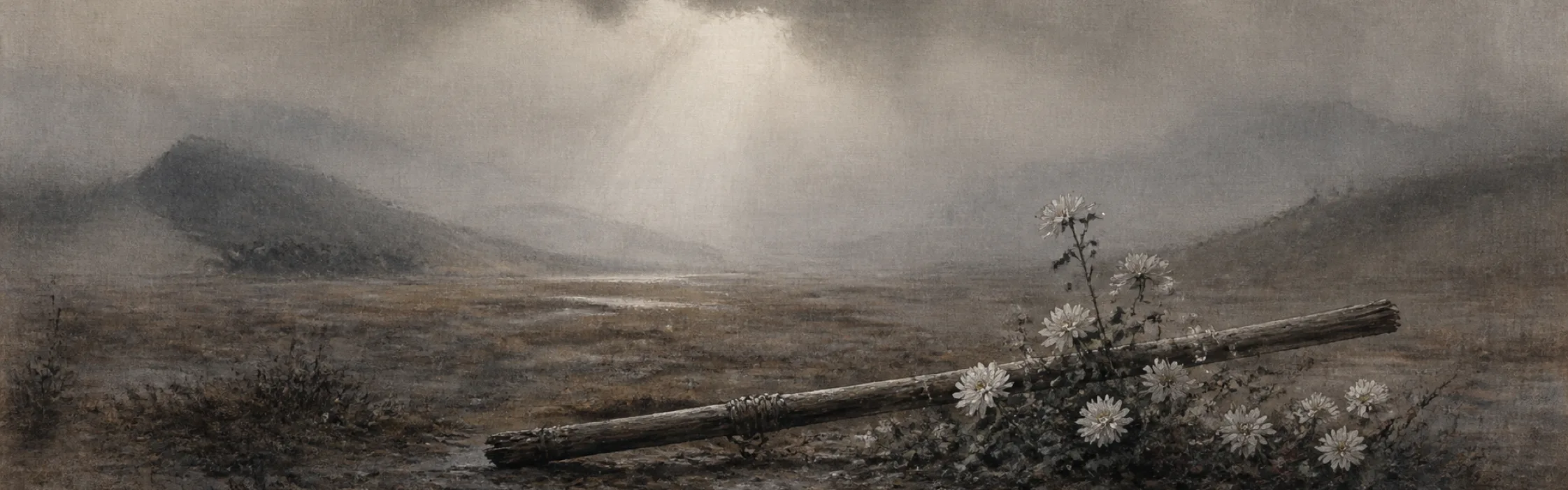
Chapter 31 — Victory Without Celebration

Classical text

夫佳兵者,不祥之器,物或恶之,故有道者不处。君子居则贵左,用兵则贵右。兵者不祥之器,非君子之器,不得已而用之,恬淡为上。胜而不美,而美之者,是乐杀人。夫乐杀人者,则不可得志于天下矣。吉事尚左,凶事尚右。偏将军居左,上将军居右,言以丧礼处之。杀人之众,以哀悲泣之;战胜,以丧礼处之。

Original rendering

Fine weapons are instruments of misfortune; living things often recoil from them, so one who follows the Tao does not delight in them. In peaceful affairs the noble person values the left; in war, the right. Weapons are instruments of misfortune, not the noble person’s proper instruments. If there is no alternative, calm restraint is best. Win without finding beauty in victory, for to beautify it is to delight in killing. One who delights in killing cannot fulfil a worthy purpose in the world. Auspicious affairs honour the left; mournful affairs honour the right. The lesser commander stands on the left, the chief commander on the right: the army is arranged as for a funeral. When many have been killed, meet it with grief and tears; when battle is won, observe it as a funeral.

Beginner’s guide

The ancient ritual directions reinforce a moral principle: military success does not cancel mourning. This is not contempt for those who protect others. It is a refusal to let duty turn into cruelty, spectacle, or appetite for domination.

Key ideas

  • Necessity does not make violence admirable.

  • Grief protects the conscience from becoming numb.

  • A restrained victory seeks peace rather than further humiliation.

Reading it in modern life

The pattern also applies to ordinary conflict. Enforce a boundary when safety requires it, but do not enjoy another person’s defeat. After dismissal, litigation, or a bitter dispute, acknowledge the human cost and rebuild workable conditions. Avoid language that turns people into trophies or enemies without remainder.

A question to carry

Can I protect what matters without teaching myself to enjoy another person’s defeat?


Continue reading the complete Tao Te Ching overview, Chapter 30 or continue to Chapter 32.