Chapter 21 — Following the Tao

第二十一章 孔德之容

Profound virtue is not a collection of behaviours chosen to look virtuous. It is the visible shape taken by a life that follows the Tao. The source itself remains elusive, yet its effects are not imaginary: within uncertainty appear patterns, concrete things, vital essence, and a reliability that has been observed across generations.
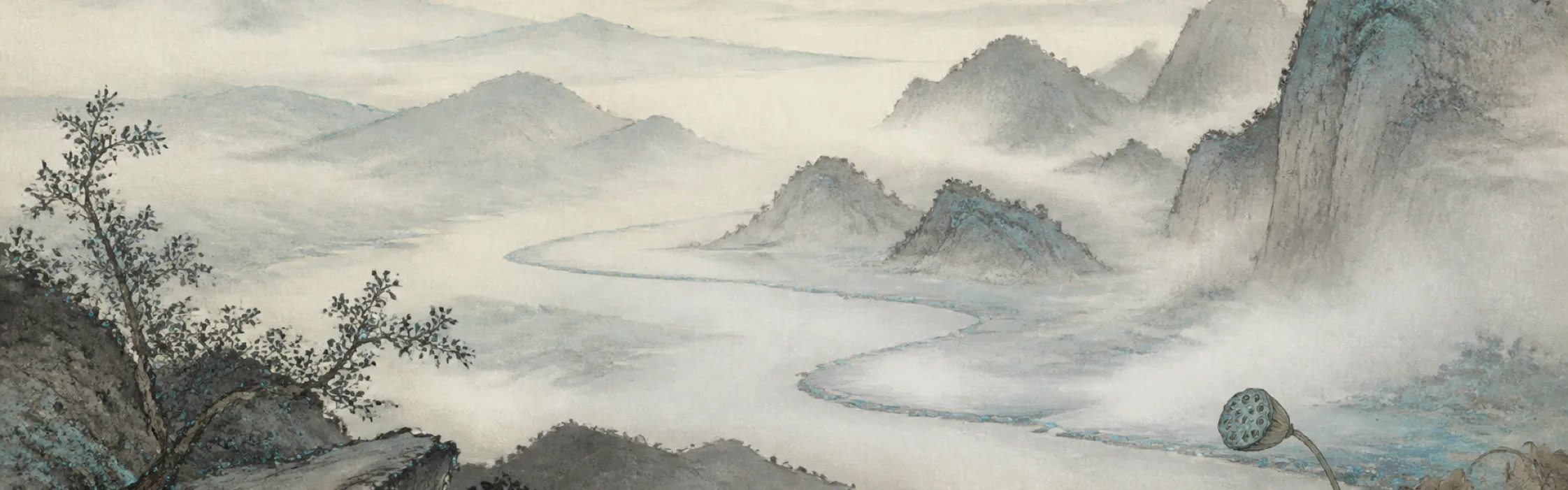
Chapter 21 — Following the Tao

Classical text

孔德之容,惟道是从。道之为物,惟恍惟惚。惚兮恍兮,其中有象;恍兮惚兮,其中有物;窈兮冥兮,其中有精;其精甚真,其中有信。自古及今,其名不去,以阅众甫。吾何以知众甫之状哉?以此。

Original rendering

The appearance of profound virtue follows only the Tao. As a thing, the Tao is indistinct and elusive. Elusive and indistinct—within it are images. Indistinct and elusive—within it are things. Deep and dark—within it is vital essence. That essence is profoundly real; within it is trustworthiness. From antiquity until now, its name has not vanished, and through it we observe the beginnings of all things. How do I know the form of those beginnings? By this.

Beginner’s guide

The chapter balances mystery with evidence. The Tao cannot be turned into a single object, but recurring patterns of emergence, transformation, and return make it trustworthy. Practice therefore combines openness to what is not yet clear with close attention to what actually happens.

Key ideas

  • Virtue is the lived expression of alignment, not a performance.

  • Elusiveness does not exclude real and observable effects.

  • Trust grows from recurring patterns, not forced certainty.

Reading it in modern life

When planning, leave room for information that has not yet appeared, but track results carefully. Judge a teaching by the kind of conduct and relationships it repeatedly produces. Let principles guide attention without making them excuses to ignore inconvenient facts.

A question to carry

What recurring evidence shows whether the way I am following is genuinely life-giving?


Continue reading the complete Tao Te Ching overview, Chapter 20 or continue to Chapter 22.