Chapter 18 — When the Great Tao Is Lost

第十八章 大道废,有仁义

The chapter reverses ordinary moral celebration. When the Great Tao is lived, humane and righteous conduct may occur without constant advertisement. When relationships fail, society begins loudly naming the virtues that are missing. The words can still guide repair, but their appearance may also diagnose a deeper loss.
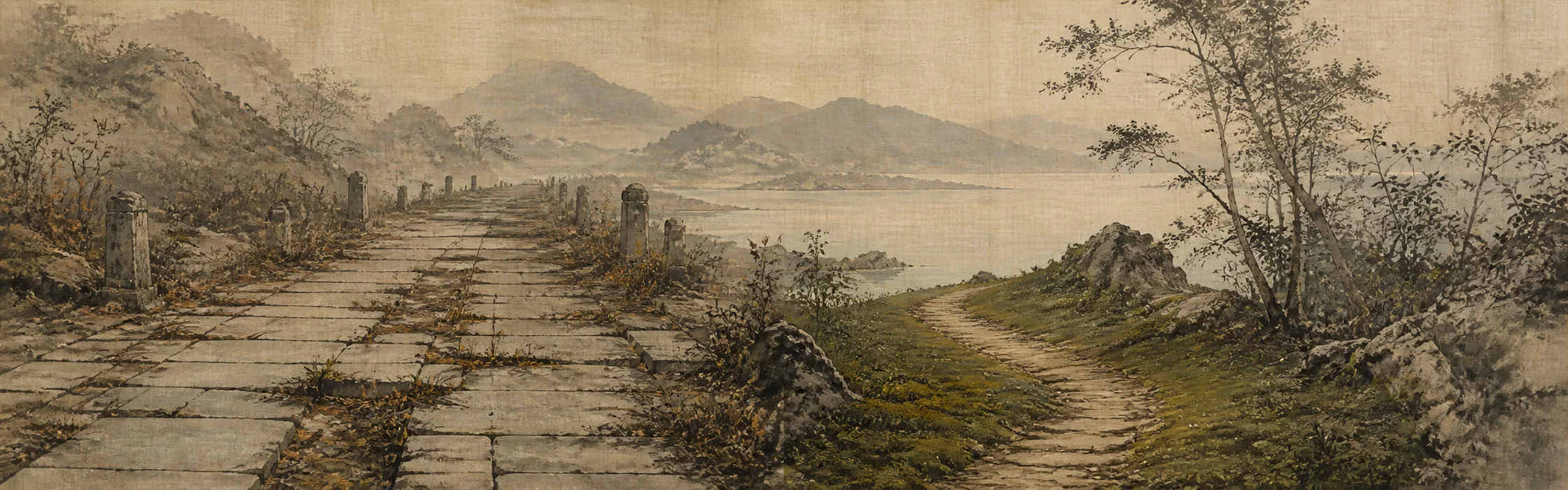
Chapter 18 — When the Great Tao Is Lost

Classical text

大道废,有仁义;智慧出,有大伪;六亲不和,有孝慈;国家昏乱,有忠臣。

Original rendering

When the Great Tao is abandoned, benevolence and righteousness appear. When clever wisdom emerges, great falseness appears. When the six family relations are no longer harmonious, filial devotion and parental care are proclaimed. When the state and its houses fall into disorder, loyal ministers become visible.

Beginner’s guide

This is not an attack on kindness, family care, or loyalty. It asks why these virtues have become exceptional labels. A workplace that constantly announces “trust” may be compensating for mistrust; a family that demands displays of duty may have stopped listening to one another.

Key ideas

  • Moral language can identify a wound as well as a virtue.

  • Highly praised loyalty may reveal broken institutions.

  • Repair should restore relationships, not only intensify slogans.

Reading it in modern life

When an organization launches a new value statement, ask what repeated behavior made the statement necessary. Keep the useful principle, but change the incentives and habits that contradict it. Praise individuals who act well without letting their sacrifice excuse a harmful system.

A question to carry

Which virtue am I praising because the conditions that once made it ordinary have disappeared?


Continue reading the complete Tao Te Ching overview, Chapter 17 or continue to Chapter 19.