Chapter 57 — Governing with Fewer Interferences

第五十七章 我无为而民自化

Rules intended to create order can become so numerous that ordinary life grows poor, evasive, and dependent on specialised manipulation. Laozi does not argue that every law is harmful. He asks leaders to notice when control produces the very ingenuity and disorder it then uses to justify more control.
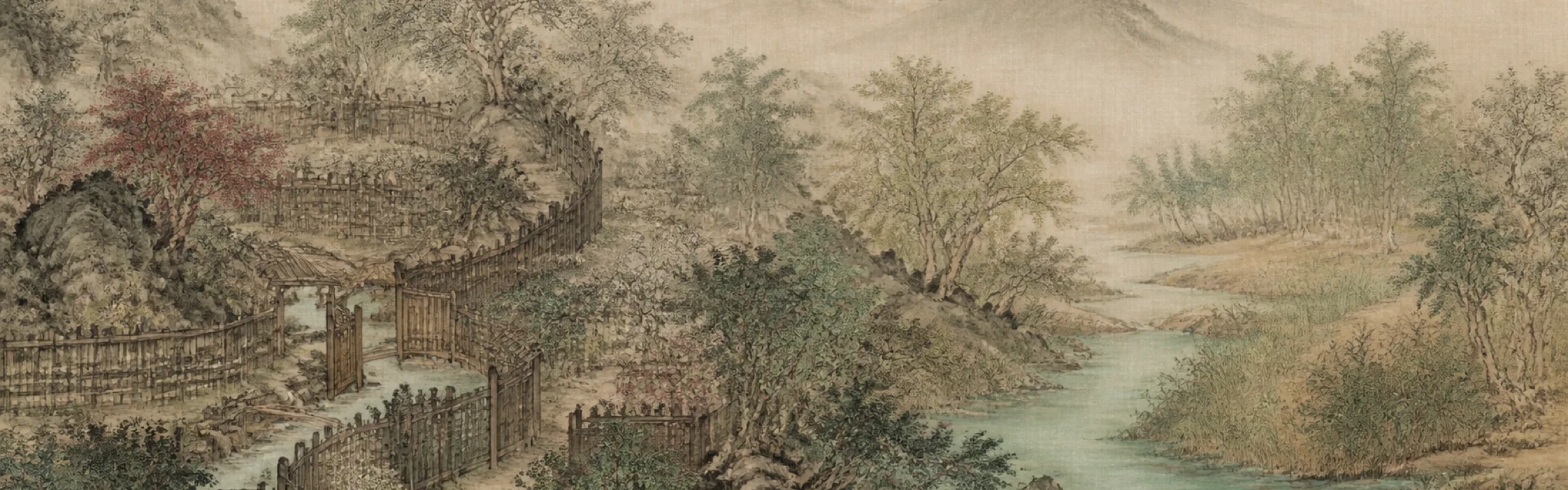
Chapter 57 — Governing with Fewer Interferences

Classical text

以正治国,以奇用兵,以无事取天下。吾何以知其然哉?以此:天下多忌讳,而民弥贫;民多利器,国家滋昏;人多伎巧,奇物滋起;法令滋彰,盗贼多有。故圣人云:我无为而民自化,我好静而民自正,我无事而民自富,我无欲而民自朴。

Original rendering

Govern the state with regularity, use surprise in war, and guide the world by not multiplying affairs. How do I know this? Through this: the more prohibitions in the world, the poorer the people; the more sharp instruments among the people, the more confused the state; the more clever techniques, the more strange products arise; the more laws are displayed, the more thieves appear. Therefore the sage says: I do not interfere, and people transform themselves; I value stillness, and people become upright; I do not multiply affairs, and people prosper; I have no grasping desire, and people return to simplicity.

Beginner’s guide

This is a systems argument. People adapt to rules, incentives, and surveillance, sometimes in ways that defeat the original purpose. Wise governance remains clear about necessary boundaries while simplifying burdens that produce evasion without benefit.

Key ideas

  • Control changes behaviour, including in unintended ways.

  • More rules do not automatically create more order.

  • Leaders’ appetite for intervention shapes the culture below.

Reading it in modern life

Review which rules are necessary for safety and which exist from habit. Remove overlapping requirements that reward box-ticking over real service. Leaders should model calm priorities instead of creating repeated emergencies that force everyone into clever avoidance.

A question to carry

Which control is now producing more evasion than genuine order?


Continue reading the complete Tao Te Ching overview, Chapter 56 or continue to Chapter 58.