Chapter 37 — Acting Without Forcing

第三十七章 无为而无不为

This chapter gives the classic paradox of Wu Wei: the Tao does not act through strained interference, yet nothing is left outside its unfolding. Applied to leadership, the teaching is neither neglect nor passivity. It means creating sound conditions, then allowing people and processes room to transform.
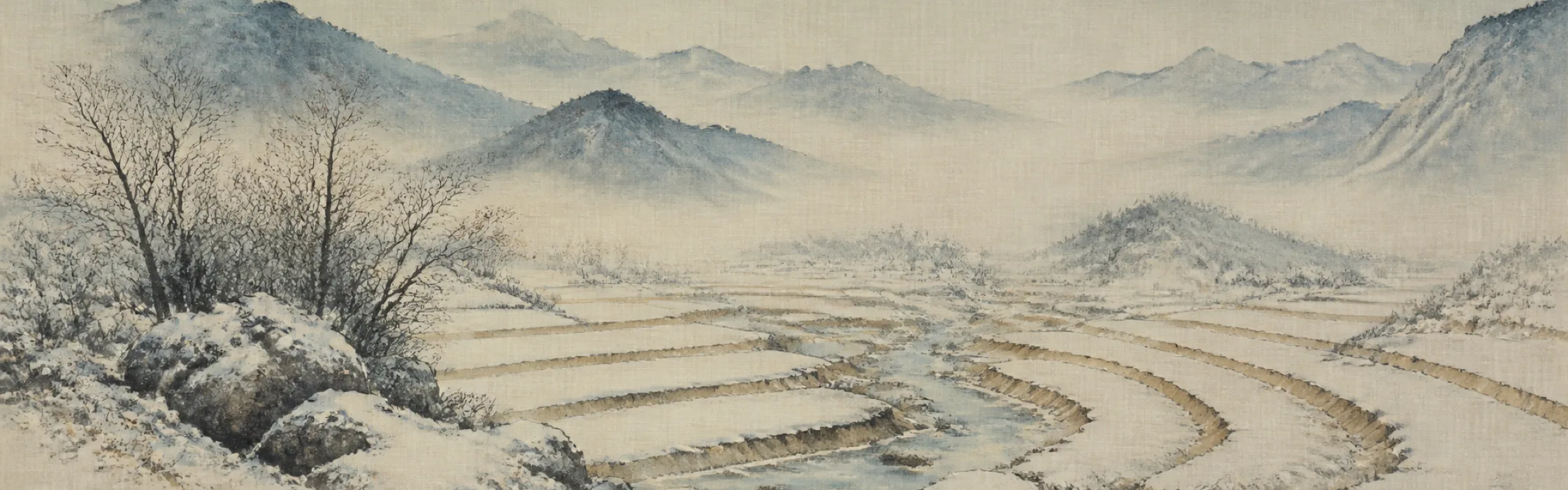
Chapter 37 — Acting Without Forcing

Classical text

道常无为而无不为。侯王若能守之,万物将自化。化而欲作,吾将镇之以无名之朴。无名之朴,夫亦将无欲。不欲以静,天下将自定。

Original rendering

The Tao is forever without contrived action, yet nothing remains undone. If rulers could hold to it, the ten thousand things would transform of themselves. If desire arose during transformation, I would steady it with nameless simplicity. Through nameless simplicity, grasping desire would also fade. Without grasping, there is stillness, and all under heaven settles of itself.

Beginner’s guide

Wu Wei is responsive action free from unnecessary force. The ruler still watches for desire that distorts change, but answers by returning to simplicity rather than adding ever more control. Stable order grows when the causes of agitation are quieted.

Key ideas

  • Non-forcing can be highly active and attentive.

  • Healthy conditions allow transformation without micromanagement.

  • Simplicity can calm desires produced by excessive intervention.

Reading it in modern life

Set clear boundaries and purpose, then allow capable people to choose methods. In personal habits, make the desired action easier through environment instead of relying only on willpower. When a solution creates new cravings for status, data, or control, simplify the system.

A question to carry

What could begin to organise itself if I stopped interfering with every step?


Continue reading the complete Tao Te Ching overview, Chapter 36 or continue to Chapter 38.