WUDANG TAIJIQUAN · 武当太极拳

Single Whip (Danbian 单鞭) in Wudang Taijiquan: Five-Finger Hook Suspension, Bow-Stance Opening, and Bidirectional Peng 武当太极拳“单鞭”精解:五指撮勾、弓步开展与东西对拉拔背之劲

Mastering the transition from Grasp the Sparrow's Tail into the crane-beak hook hand (Diaoshou), waist-led stepping, and east-west structural expansion
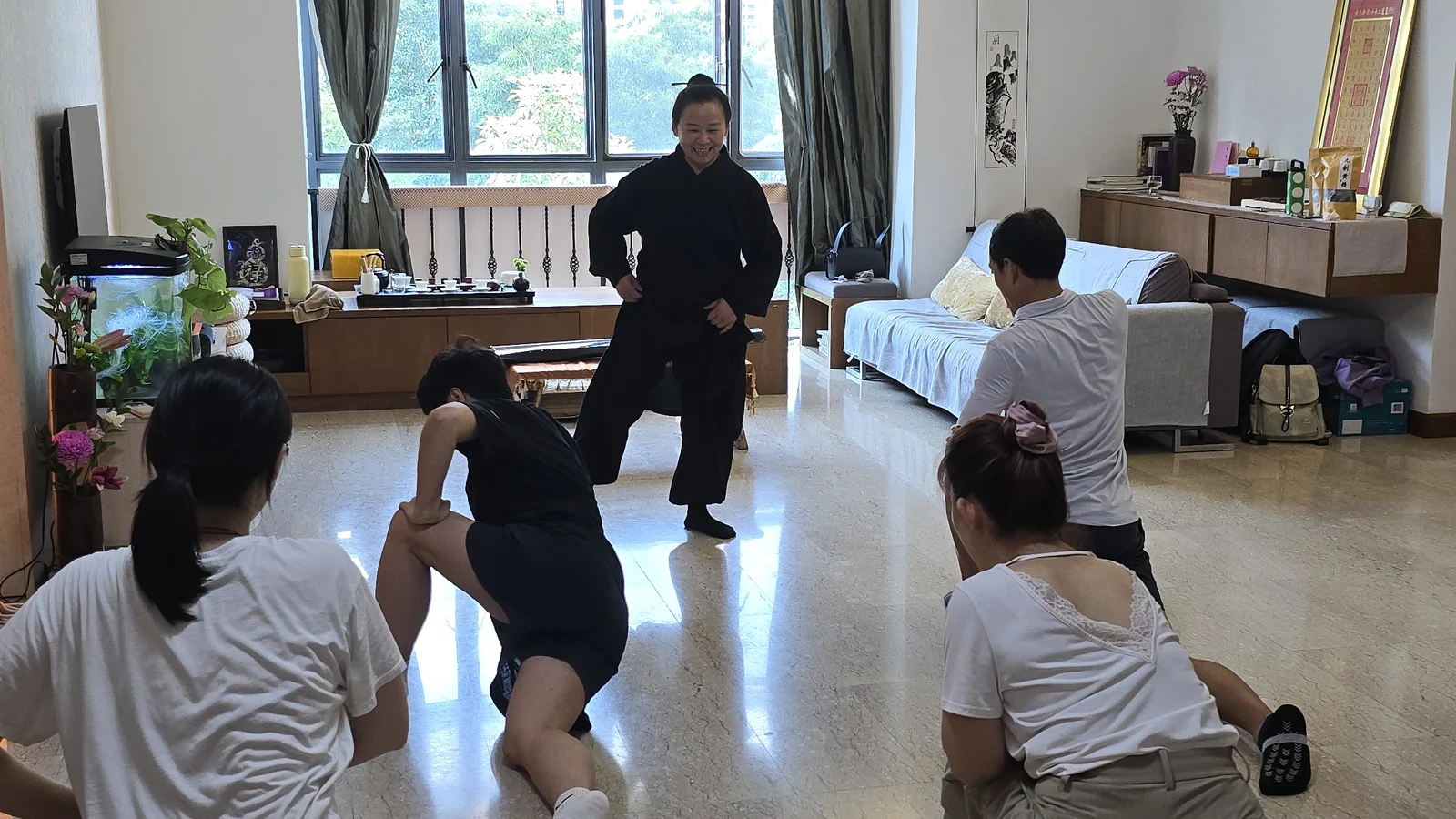
A Wudang taijiquan lesson in a sunlit room: students seen from behind kneel into deep lunges to open the hips while a teacher in black Taoist-style clothing stands in a wide stance, smiling, with an ink-painting scroll on the wall behind.

In traditional Wudang Taijiquan routines, no posture appears more frequently as a structural milestone than Danbian (单鞭, "Single Whip"). Immediately following the four cardinal energies of Grasping the Sparrow's Tail (Lanquewei), Danbian opens the practitioner's frame into a spacious, bidirectional arch spanning from the rear hook wrist through the spine to the front palm edge. Practiced properly, it trains the upper back to expand like a drawn bow (Kaizhan 开展) while the lower body roots deeply into a stable bow stance (Gongbu 弓步).

1. Forming the Five-Finger Hook Hand (Goushou 勾手 / Diaoshou 刁手)

The signature feature of Danbian is the rear hook hand:

  • Lightly Gathered Fingertips: Bring the pads of the four fingers lightly together against the pad of the thumb, resembling a crane's beak, keeping the center of the palm hollow (Kongxin 空心) rather than squeezing tightly.
  • Suspended Wrist and Sunk Elbow (Dingwan Zhuizhou 顶腕坠肘): Let the fingertips hang naturally downward so the top of the wrist rises gently at shoulder height, while the elbow remains slightly bent and weighted downward. Never lock the arm straight or shrug the rear trapezius.
  • Counterbalance Anchor: In the finished posture, the rear hook wrist acts as the fixed anchor of a pulley system: the more settled the rear hook and rear heel remain, the more effortlessly the front palm extends.

2. Waist-Led Stepping and Bow-Stance Alignment

The transition from An (Push) into Danbian is a masterclass in Silk-Reeling (Chansijin) and Distinguishing Empty and Full:
  1. Sit Back and Pivot on the Heel: Shift weight fully onto the rear leg, turn the waist to pivot the front foot inward on its heel, and gather the hook hand along the horizontal waist circle.
  2. Empty Step Before Shifting Weight: Sink into the supporting hip crease (Kua 胯) and extend the empty lead foot out to shoulder width, touching heel first before transferring weight forward to 70/30.
  3. Turn the Lead Palm from Inside Out: As weight settles into the front bow stance, the lead palm rises across the chest (reading the palm) and rotates gently outward to settle at shoulder height, creating a continuous elastic curve from rear wrist through the shoulder blades (Babei 拔背) to the front palm edge.
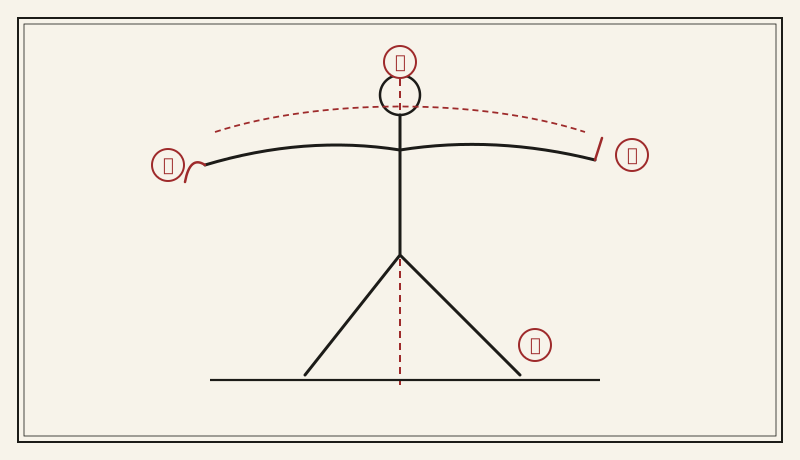
Classical Wudang ink-on-parchment diagram with numbered markers 1 to 4 showing the rear crane-beak hook wrist suspension, central Mingmen axis, lead palm expansion, and grounded bow stance in Danbian.

Figure 1: Structural biomechanics of Wudang Danbian (单鞭) — ① Rear five-finger crane-beak hook hand (Diaoshou / Goushou 刁手/勾手) with gently suspended wrist (Dingwan 顶腕) and sunk elbow; ② Central Mingmen spinal axis and rounded upper back (Hanxiong Babei 含胸拔背); ③ Lead palm turning outward in spiral ward-off (Peng-An 掤按) aligned with the front toe line; ④ Grounded 70/30 bow stance (Gongbu 弓步) with folded kua and knee aligned over the toes.

3. Integrating Danbian with Adjacent Wudang Postures

To connect Danbian seamlessly into your daily practice, review Wave Hands Like Clouds (Yunshou), Diagonal Single Whip (Xie Danbian), The Six Harmonies (Liuhe), and our Start Here curriculum guide.

Seeker’s Q&A · Frequently Asked Questions

What is the key structural alignment in Single Whip (Danbian 单鞭) in Wudang Taijiquan?

Mastering the transition from Grasp the Sparrow's Tail into the crane-beak hook hand (Diaoshou), waist-led stepping, and east-west structural expansion.


