TAOIST PHILOSOPHY · 道家哲学

Soft and Supple at Birth & Resilience Above: Rou Ruo Chu Shang and Jian Qiang Chu Xia in Tao Te Ching Chapter 76 柔弱生之徒与柔弱处上:《道德经》第七十六章的生机哲学与太极松柔之理

A textual and somatic study of Tao Te Ching (Dao De Jing) Chapter 76, examining why living beings and green plants are supple while the withered are rigid, why stiff timber snaps, and how Wudang internal arts cultivate elastic Fangsong over muscular bracing.


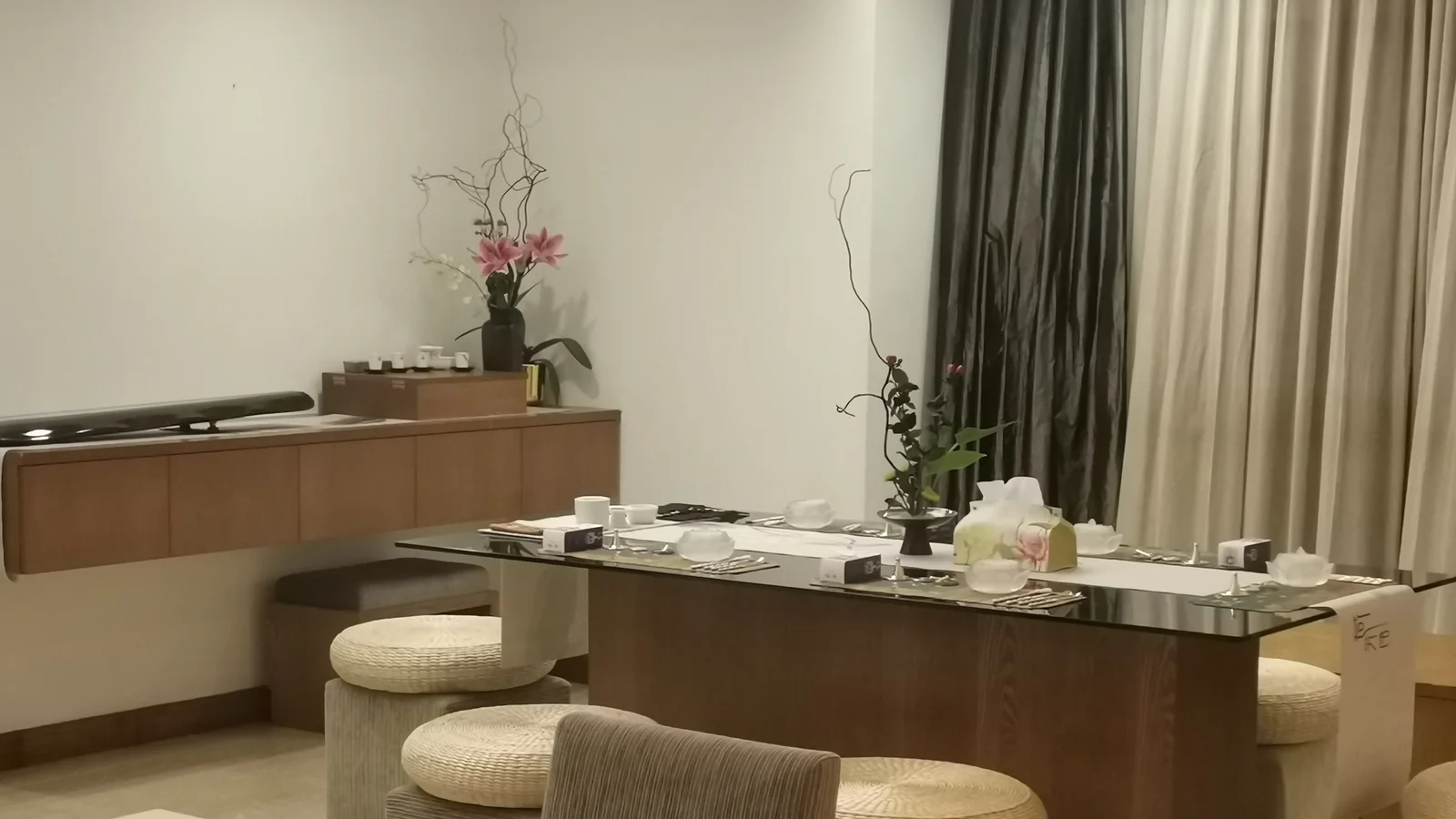
A quiet Taoist study room: a black guqin on a low wooden console beside a pink lily arrangement and tea set, and a dark-glass study table set with white lotus-shaped cups, an incense holder and a floral branch, with straw cushions and a grey curtain.

The Botanical and Somatic Observation: Rou Ruo versus Jian Qiang

Chapter 76 of the Tao Te Ching (Dao De Jing) grounds its philosophy not in abstract metaphysics, but in direct observation of human physiology and mountain flora: 'Man at birth is soft and supple; at death, stiff and rigid. The myriad creatures, grasses, and trees at birth are soft and tender; at death, withered and dry. Therefore, the stiff and rigid are companions of death; the soft and supple are companions of life' (人之生也柔弱,其死也坚强。万物草木之生也柔脆,其死也枯槁。故坚强者死之徒,柔弱者生之徒). In classical Taoist physiology—later elaborated in the Huainanzi (淮南子·原道训) and Liezi (列子·黄帝)—what keeps a living body or a young bamboo shoot pliable is the continuous circulation of harmonious breath (Heqi, 和气) and fluid essence. Once that internal current stagnates or departs, tissues lose their elasticity and harden into brittle rigidity. You can observe this same law on the training floor under Start Here: a practitioner who locks the shoulders and clenches the jaw imitates the contracted stiffness of exhaustion, whereas one who cultivates conscious release (Song and Fangsong in Wudang Taijiquan) preserves the responsive suppleness of life.

Why Rigid Armies Perish and Stiff Trees Snap: Bing Qiang Ze Mie, Mu Qiang Ze Zhe

From this biological premise, Laozi draws a structural corollary: 'Therefore, when an army is rigid and overbearing, it is destroyed; when a tree is stiff and unyielding, it snaps' (是以兵强则灭,木强则折). Wang Bi (王弼) notes in his commentary that when a tree grows rigid beyond its capacity to bend, it invites the axe or fractures under heavy mountain snow and wind; conversely, flexible branches bow beneath the gale, shed the snow-load, and spring back intact. In Wudang martial practice—studied within the heritage of Wudang Mountain and classical Taoist Classics—this principle explains why meeting a forceful strike with muscular collision (Ding, 顶) inevitably injures the stiffer frame. Just as Chapter 73 warns that reckless bravado leads to ruin (Courage in Not Daring in Tao Te Ching Chapter 73), Chapter 76 demonstrates that mechanical stiffness concentrates shear stress at a single joint instead of distributing it through the whole-body arch.

Soft and Supple at Birth & Resilience Above: Rou Ruo Chu Shang and Jian Qiang Chu Xia in Tao Te Ching Chapter 76

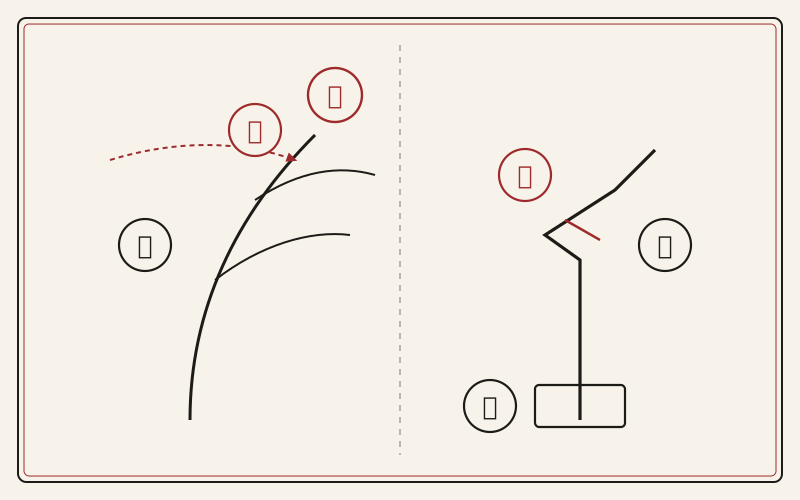
Classical diagram of Tao Te Ching Chapter 76: ① Living Supple Phase (Rou Ruo — elastic breath and pliable sinews at birth and in green shoots), ② Withered Rigid Phase (Jian Qiang / Ku Gao — brittle calcification when vital Qi recedes), ③ Brittle Weapon & Stiff Timber Fracture (Bing Qiang Ze Mie, Mu Qiang Ze Zhe — rigid force snapping under shear load), ④ Elastic Yielding Arch (living canopy bending with mountain wind to dissipate momentum), ⑤ The Hard and Great Sink Below (Qiang Da Chu Xia — rigid trunk bearing static deadweight at the base), and ⑥ The Soft and Supple Abide Above (Rou Ruo Chu Shang — responsive crown and living tips thriving aloft).

Qiang Da Chu Xia, Rou Ruo Chu Shang: The Inversion of Hierarchy

The chapter closes with a striking spatial inversion: 'The hard and great abide below; the soft and supple abide above' (强大处下,柔弱处上). In the anatomy of a mountain pine or moso bamboo, the thick, woody base must remain buried and weighted below to bear static load, while the tender, supple shoots and canopy needles rise effortlessly into the sunlight and open air above. Note how Laozi adapts spatial metaphor to context: whereas Chapter 66 praises the sea for placing itself 'below' the hundred valleys in humility, Chapter 76 uses 'below' and 'above' to describe structural vitality in a living organism. In both cases, The Tao itself favors elastic adaptability over rigid dominance.

Cultivating Living Suppleness (Rou) Without Collapse (Ruan) in Wudang Neijia

In Wudang Taijiquan and Daoyin, students often ask how 'soft and supple' (Rou Ruo, 柔弱) differs from limpness (Ruan, 软). Classical manuals compare true internal suppleness to 'wrapping iron in cotton' (Mian Li Cang Zhen, 绵里藏针) or the green bamboo stalk of Chapter 55 (Thick Virtue and the Newborn Infant in Chapter 55): the outer musculature releases unnecessary contraction so the joints remain open and sensitive, while the tendons, fascia, and spinal axis retain lively elastic rebound. By softening chronic bracing in the neck, chest, and hips during daily standing and form practice (Wudang Taijiquan Arts), the practitioner aligns body and breath with the living current of Rou Ruo.

Seeker’s Q&A · Frequently Asked Questions

How does Soft and Supple at Birth & Resilience Above guide daily Wudang cultivation?

A textual and somatic study of Tao Te Ching (Dao De Jing) Chapter 76, examining why living beings and green plants are supple while the withered are rigid, why stiff timber snaps, and how Wudang internal arts cultivate elastic Fangsong over muscular bracing.
