TAOIST PHILOSOPHY · 道家哲学

True Words Are Not Ornate & Acting Without Contention: Xin Yan Bu Mei and Wei Er Bu Zheng in Tao Te Ching Chapter 81 信言不美与为而不争:《道德经》第八十一章的返璞归真、圣人不积与全经收官总枢

A culminating study of Tao Te Ching (Dao De Jing) Chapter 81, examining the three aphorisms of plain authenticity (Xin Yan Bu Mei, Shan Zhe Bu Bian, Zhi Zhe Bu Bo), unhoarded abundance (Sheng Ren Bu Ji), and the final seal Wei Er Bu Zheng.


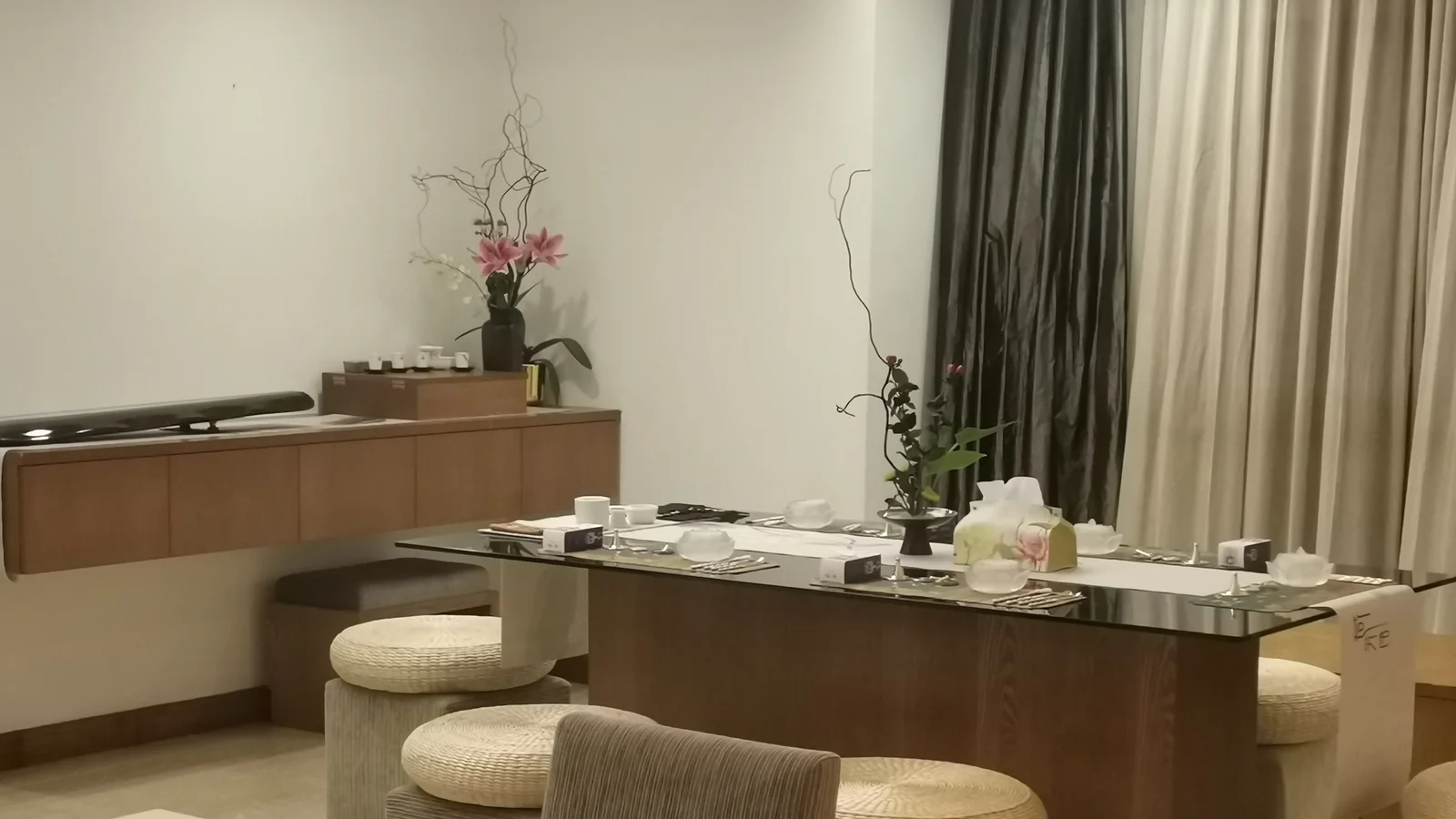
A quiet Taoist study room: a black guqin on a low wooden console beside a pink lily arrangement and tea set, and a dark-glass study table set with white lotus-shaped cups, an incense holder and a floral branch, with straw cushions and a grey curtain.

The Three Aphorisms of Plain Authenticity: Speech, Action, and Knowing

As the eighty-first and final chapter of the Tao Te Ching (Dao De Jing), Chapter 81 brings the entire classic back to the unadorned simplicity of Chapter 1. It opens with three symmetrical aphorisms that strip away superficial polish across speech, conduct, and knowledge: 'Trustworthy words are not ornate; ornate words are not trustworthy. Those who are good do not argue; those who argue are not good. Those who know are not fragmentedly encyclopedic (博); those who are fragmentedly encyclopedic do not know' (信言不美,美言不信。善者不辩,辩者不善。知者不博,博者不知). As Wang Bi (王弼) notes in his commentary (studied under Taoist Classics), 'trustworthy words' (Xin Yan, 信言) are plain because they answer directly to the reality of things—echoing Chapter 70's 'wearing coarse cloth while holding jade within' (Ancestry of Words and Coarse Cloth Holding Jade in Chapter 70) and Chapter 78's 'upright words seem paradoxical' (Nothing Softer Than Water in Chapter 78). Likewise, true knowing (Zhi, 知) does not mean chasing ten thousand disconnected techniques, but grasping the single unifying root (Bao Yi, 抱一) from which all movements arise.

Sheng Ren Bu Ji: Why the Sage Does Not Hoard

Laozi next turns from epistemic simplicity to energetic circulation: 'The sage does not hoard. Having bestowed all for the sake of others, the sage possesses even more; having given all to others, the sage has even greater abundance' (圣人不积,既以为人己愈有,既以与人己愈多). Just as a mountain spring stays clear only when its water flows onward into the valley, vital breath (Qi, 气) and virtue (De, 德) stagnate the moment a practitioner tries to lock them up as private possessions. In the somatic training of Wudang Qigong & Daoyin and Wudang Taijiquan, 'not hoarding' (Bu Ji, 不积) is the exact physical rule that prevents local muscular stiffness: when no joint hoards force or blocks the passage of momentum, the entire body remains inexhaustibly supplied.

True Words Are Not Ornate & Acting Without Contention: Xin Yan Bu Mei and Wei Er Bu Zheng in Tao Te Ching Chapter 81

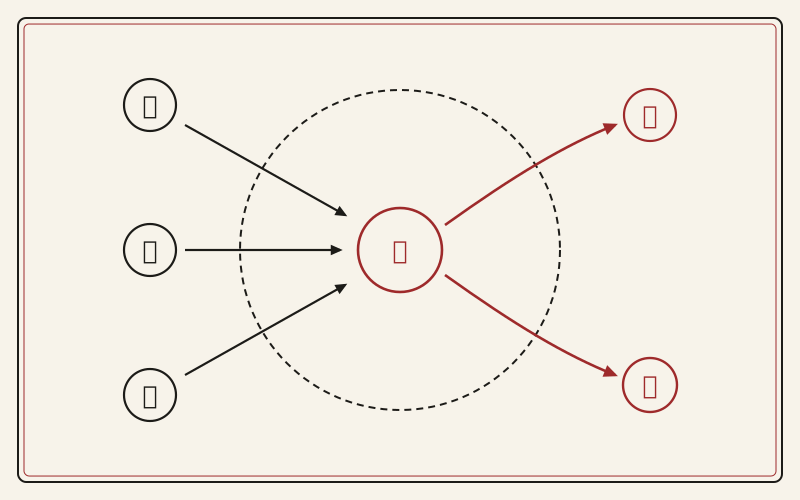
Classical diagram of Tao Te Ching Chapter 81 (The Closing Seal of the Eighty-One Chapters): ① Trustworthy Words Are Unadorned (Xin Yan Bu Mei — plain, rooted truth versus superficial ornament), ② The Good Do Not Contend in Argument (Shan Zhe Bu Bian — silent embodiment over verbal disputation), ③ The Wise Consolidate the Root (Zhi Zhe Bu Bo — single-pointed depth over scattered accumulation), ④ The Sage Does Not Hoard (Sheng Ren Bu Ji — giving to others increases inner abundance), ⑤ The Way of Heaven Benefits Without Harming (Tian Zhi Dao, Li Er Bu Hai), and ⑥ The Way of the Sage Acts Without Contending (Sheng Ren Zhi Dao, Wei Er Bu Zheng).

Returning to the Root in the Closing Posture of Taijiquan

In the living curriculum of Wudang Mountain (and for students beginning at Start Here), Chapter 81's spirit of unhoarded completion is embodied at the end of every form in Cross Hands and Closing Taiji (Shizishou & Shoushi). After traversing the complex spiral exchanges, kicks, and diagonal shuttles of the form, the practitioner does not finish with a theatrical pose of dominance. Instead, the arms gather quietly, release all residual tension downward through the soles, and return from the differentiated polarities of Taiji (太极) back into the silent readiness of Wuji (无极).

Li Er Bu Hai, Wei Er Bu Zheng: The Final Seal of the Tao Te Ching

The eighty-one chapters close with two lines that summarize the entire relationship between cosmos and practitioner: 'The Way of Heaven benefits and does not harm; the Way of the sage acts and does not contend' (天之道,利而不害;圣人之道,为而不争). Building upon Chapter 79's impartial left tally (Holding the Left Tally in Chapter 79), Laozi leaves us not with passive withdrawal from the world, but with wholehearted action (Wei, 为) completely freed from egoic contention (Bu Zheng, 不争)—the enduring foundation of Wudang culture, Taoist self-cultivation, and internal martial virtue.

Seeker’s Q&A · Frequently Asked Questions

How does True Words Are Not Ornate & Acting Without Contention guide daily Wudang cultivation?

A culminating study of Tao Te Ching (Dao De Jing) Chapter 81, examining the three aphorisms of plain authenticity (Xin Yan Bu Mei, Shan Zhe Bu Bian, Zhi Zhe Bu Bo), unhoarded abundance (Sheng Ren Bu Ji), and the final seal Wei Er Bu Zheng.
