TAOIST PHILOSOPHY · 道家哲学

The Philosophy of Water: How Yielding Overcomes Rigidity 上善若水与柔弱胜刚强:水的哲学

Why Laozi chooses water—adaptable, low-seeking, and unyielding in persistence—as the closest mirror of the Tao.

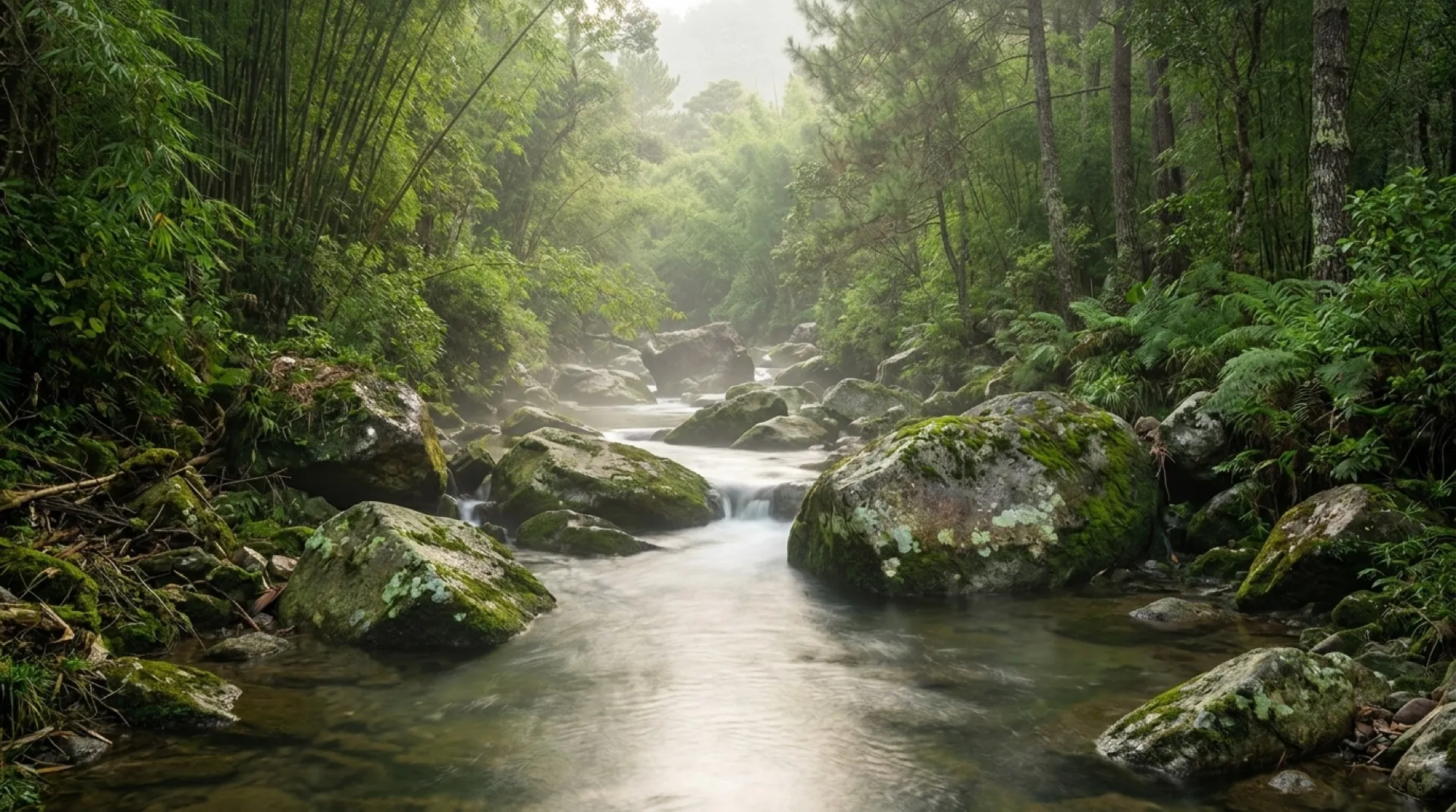
A clear mountain stream running between mossy boulders through bamboo and forest in soft morning light.

Across the eighty-one chapters of the Tao Te Ching, no natural image appears with greater reverence than water. Where monuments of stone and bronze crack and weather away, water—which has no fixed shape of its own—carves canyons, nourishes every living creature, and outlasts the hardest rock.

1. The Seven Virtues of Water in Chapter 8

In Chapter 8, Laozi opens with the famous line “Highest goodness is like water” (上善若水, shang shan ruo shui). He first notes two foundational qualities: water benefits the ten thousand things without contending (水善利万物而不争), and it willingly settles in the low places that people disdain (处众人之所恶). He then names seven specific virtues of a person who lives like water:

  • In dwelling, value the ground (居善地): Knowing one’s real footing rather than straining for artificial height.
  • In the heart-mind, value depth and calm (心善渊): Like a deep pool that reflects clearly when undisturbed.
  • In relationships, value kindness (与善仁): Nourishing others without demanding ownership.
  • In speech, value trustworthiness (言善信): Words that match reality, like water always finding its level.
  • In governance, value order (政善治): Clearing obstructions rather than damming the current.
  • In work, value capability (事善能): Adapting method to the terrain at hand.
  • In action, value timing (动善时): Moving when conditions are ripe, and resting as a still lake when they are not.
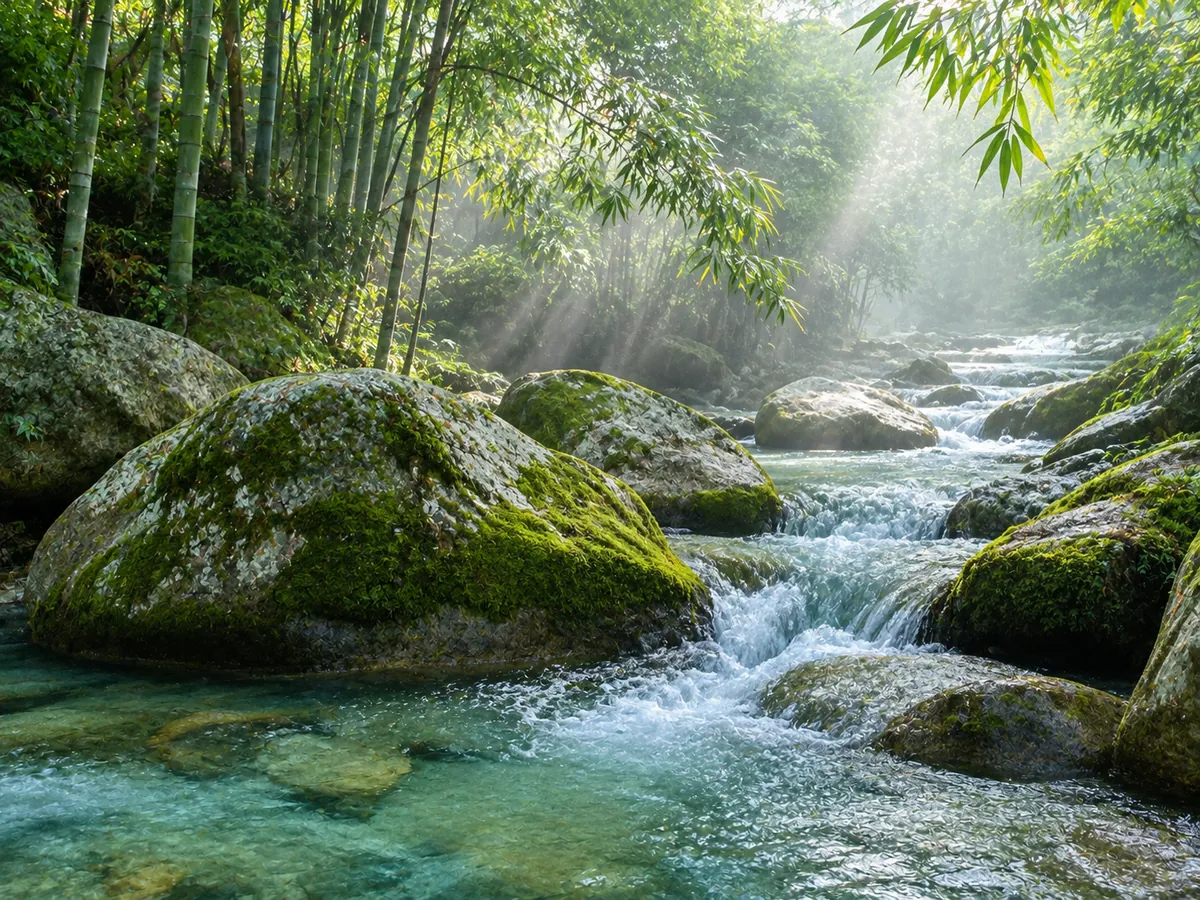
Crystal-clear mountain water flowing effortlessly around smooth mossy granite boulders beneath green bamboo in soft morning mist.

Water never argues with the boulder in its path—by yielding around stone without losing continuity, it outlasts the hardest rock.

2. Why Softness Overcomes Hardness (Chapters 43, 76 & 78)

In Chapter 76 and Chapter 78, Laozi pairs water with the difference between living tissue and dead wood: what is alive is supple and resilient; what is brittle and rigid is already close to breaking. Water is soft not because it is weak, but because it has no rigid edge that an opponent can grab or shatter. When it meets a boulder, it flows around it; over time, its steady, unhurried continuity wears the stone smooth.

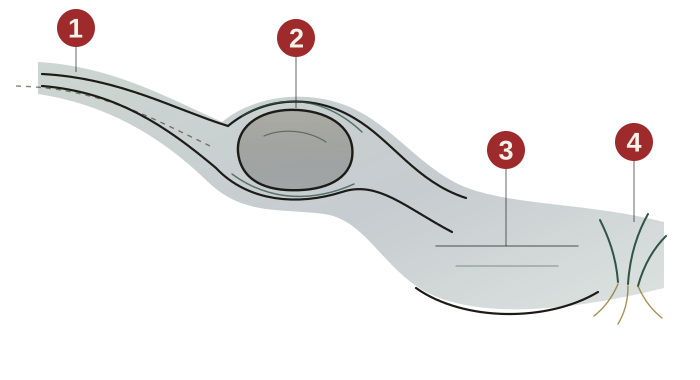
Diagram showing mountain water flowing downward, parting around a hard boulder, settling into a calm pool, and nourishing streamside reeds

How yielding overcomes rigidity in Chapters 8 and 78: instead of colliding head-on with stone, water adapts its shape, settles low, and sustains life.

  1. Following the natural slope downward without contending (居善地)
  2. Parting smoothly around hard stone with no brittle edge to shatter
  3. Gathering in the quiet, low pool to restore clarity (心善渊)
  4. Nourishing living roots along the bank without claiming ownership (利万物而不争)

3. From Philosophy to Body: Water in Wudang Taijiquan

In Wudang Taijiquan, the classical manuals describe movement as “flowing like a great river, unceasing” (滔滔不绝如长江大河). When a partner pushes with stiff force, resisting head-on pits bone against bone; yielding and redirecting along a curved path—like water turning a millwheel—absorbs the incoming force and returns it without strain.

Seeker’s Q&A · Frequently Asked Questions

What are the seven virtues of water in Tao Te Ching Chapter 8?

They are: grounded dwelling (居善地), deep calm of heart (心善渊), generous kindness (与善仁), trustworthy speech (言善信), orderly governance (政善治), adaptable capability (事善能), and timely action (动善时).


