TAOIST PHILOSOPHY · 道家哲学

Xing and Ming (Inner Nature and Vital Life): Why Wudang Taoist Cultivation Trains Both Mind and Body 性命双修:为什么道家与武当修养强调整体锤炼心性与生命元气?

From the Tao Te Ching’s “embracing the One” and “returning to the root” to the Wuzhen Pian: how clear awareness (Xing) and physical vitality (Ming) depend on each other like flame and oil.

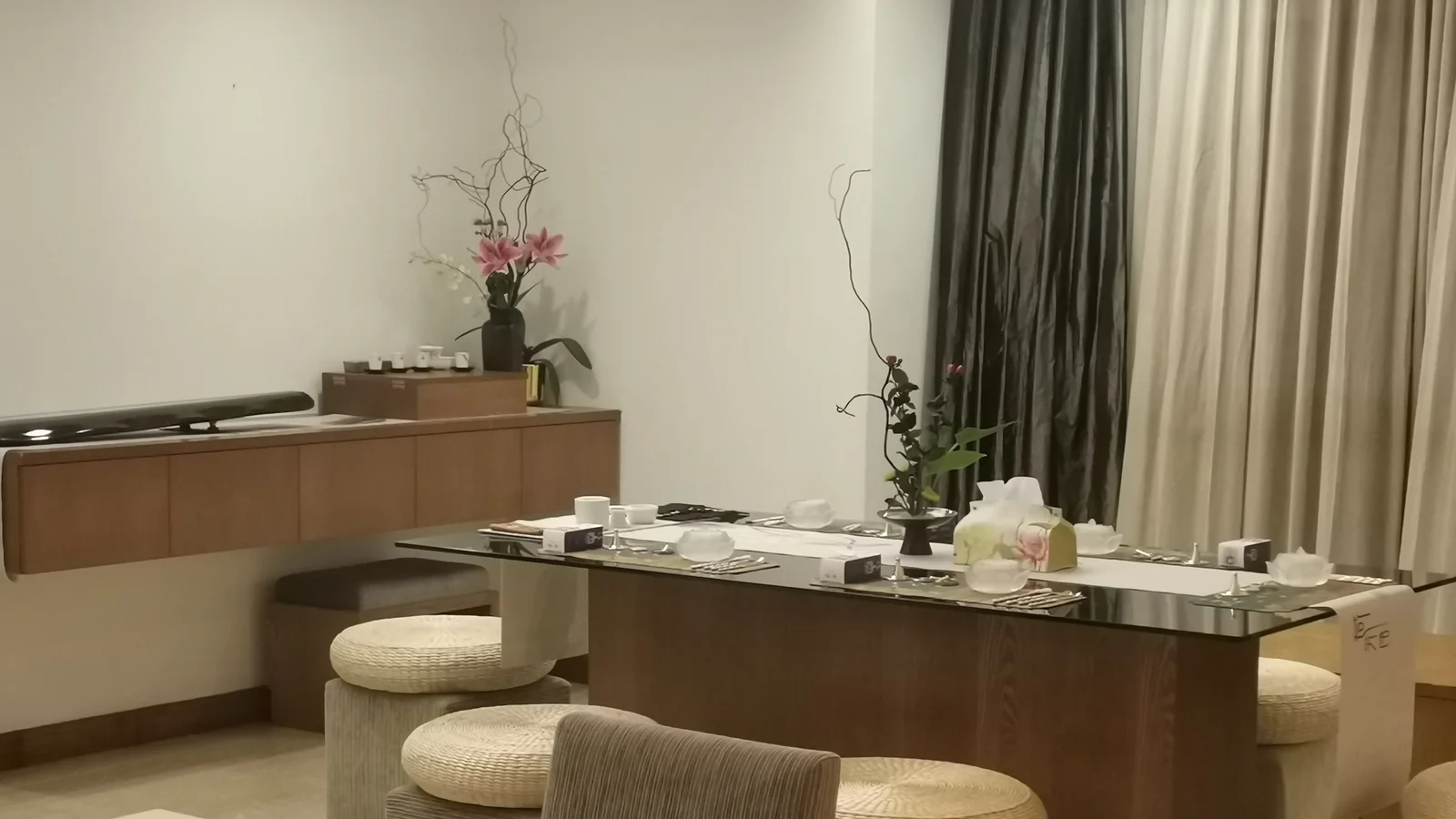
A quiet Taoist study room: a black guqin on a low wooden console beside a pink lily arrangement and tea set, and a dark-glass study table set with white lotus-shaped cups, an incense holder and a floral branch, with straw cushions and a grey curtain.

Anyone who spends time exploring traditional Chinese culture soon notices a puzzling divide. Some people sit in silent contemplation for hours to clarify the mind while neglecting posture, breath, and joints until their back aches and their digestion weakens; others train vigorous physical routines every morning while their temper remains impatient and their mind restless. In Wudang Taoist tradition, both imbalances are diagnosed with a single classical pair of terms: Xing (性, Inner Nature, heart-mind, and luminous awareness) and Ming (命, Vital Life, bodily constitution, and living breath)—brought together in the principle of dual cultivation of Nature and Life (性命双修, Xing Ming Shuang Xiu).

1. Roots in the Tao Te Ching: “Embracing the One” and “Returning to Vital Life”

Although the technical compound Xing–Ming matured across later commentaries, its foundation sits squarely in the Tao Te Ching (Dao De Jing):

  • Uniting Spirit and Bodily Vitality (Chapter 10): Laozi asks: “Carrying the sentient bodily vitality and embracing the One, can you keep them from separating? Concentrating the breath and attaining suppleness, can you be like an infant? Cleansing the inner mirror of view, can you leave it without blemish?” (载营魄抱一,能无离乎?专气致柔,能婴儿乎?涤除玄览,能无疵乎?). Notice how the chapter weaves both wings together: “concentrating the breath and attaining suppleness” nourishes Ming (the living body), while “cleansing the inner mirror” clarifies Xing (the contemplative mind).
  • Stillness Returning to Life (Chapter 16 & Chapter 59): In Chapter 16, Laozi writes: “Attain the utmost emptiness; guard deep stillness… Returning to the root is called stillness; stillness is called returning to Vital Life (归根曰静,静曰复命).” And in Chapter 59, he calls conserving vital energy early “deep roots and a firm trunk” (深根固柢)—the very image of embodied De (inner potency).

2. The Classical Lamp Metaphor: Oil as Ming, Flame as Xing

In Song- and Ming-dynasty Taoist literature—most famously in Zhang Boduan’s eleventh-century Wuzhen Pian (Awakening to Reality) and the Cantong Qi tradition—teachers used an everyday object to explain why neither side can stand alone: a ceramic oil lamp.

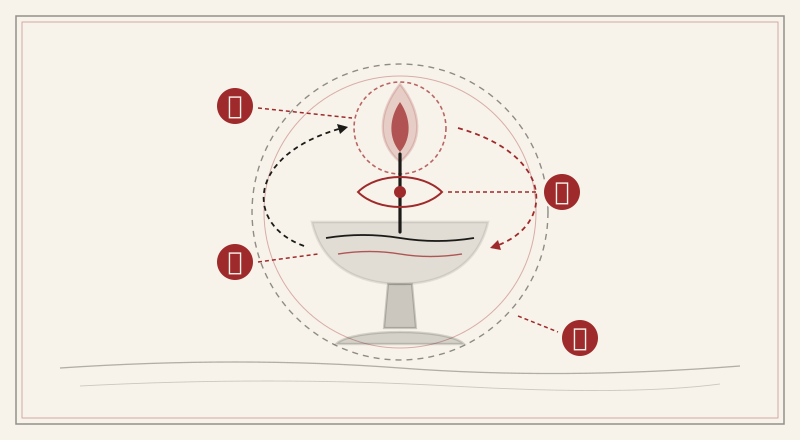
Classical ink-and-cinnabar diagram of Xing and Ming dual cultivation showing a ceramic lamp vessel and oil representing Ming, a steady flame representing Xing, the central wick where spirit and breath unite, and the outer halo of returning to the root

The classical lamp analogy of Xing and Ming (性命相依,如灯有油): why mental clarity and physical vitality form one household.

  1. Xing (性功 · The Clear Flame of Awareness): quiet, unclouded perception and emotional equanimity (Qingjing Jing)
  2. Ming (命功 · The Vessel and Vital Oil): supple tendons, smooth breath, and conserved vitality in the lower Dantian (Huangting Jing)
  3. Spirit and Breath Embracing (载营魄抱一 · 神气相抱): the central wick where calm attention and natural breath nourish each other
  4. Returning to the Root (归根复命 · 性命双融): balanced daily life in which movement and stillness sustain each other (Wuji and Taiji)

If a lamp has plenty of oil and a sturdy clay bowl (Ming), yet the wick is never lit or the flame is blown wildly by wind, the room remains dark—that is training the body without clarifying the heart-mind. Conversely, if you want a bright, steady flame (Xing) but let the bowl crack and the oil dry up, how long can the light last? That is why a saying often repeated in the tradition warns against cultivating awareness while neglecting the physical vessel, or drilling the body while leaving the mind agitated.

3. How Wudang Practice Balances Xing and Ming in a Single Day

In the Wudang curriculum, Xing and Ming are not esoteric abstractions; they are the reason our daily schedule alternates between dynamic movement and quiet sitting:

  1. Cultivating Ming Through Posture, Breath, and Spiral Movement (“Movement to Temper the Body,” 动以炼形): Practices such as Zhan Zhuang, the four classic Qigong sets, Wudang Taijiquan, and Silk-Reeling Energy (Chansijin) open stiff joints, deepen Natural Abdominal Breathing, and replenish the oil in the lamp.
  2. Cultivating Xing Through Stillness, Reading, and Self-Reflection (“Stillness to Nourish the Spirit,” 静以养神): Practices such as Zuowang, Neiguan, reading the Qiwu Lun, and an evening breath wind-down settle competitive ego and keep the flame steady.
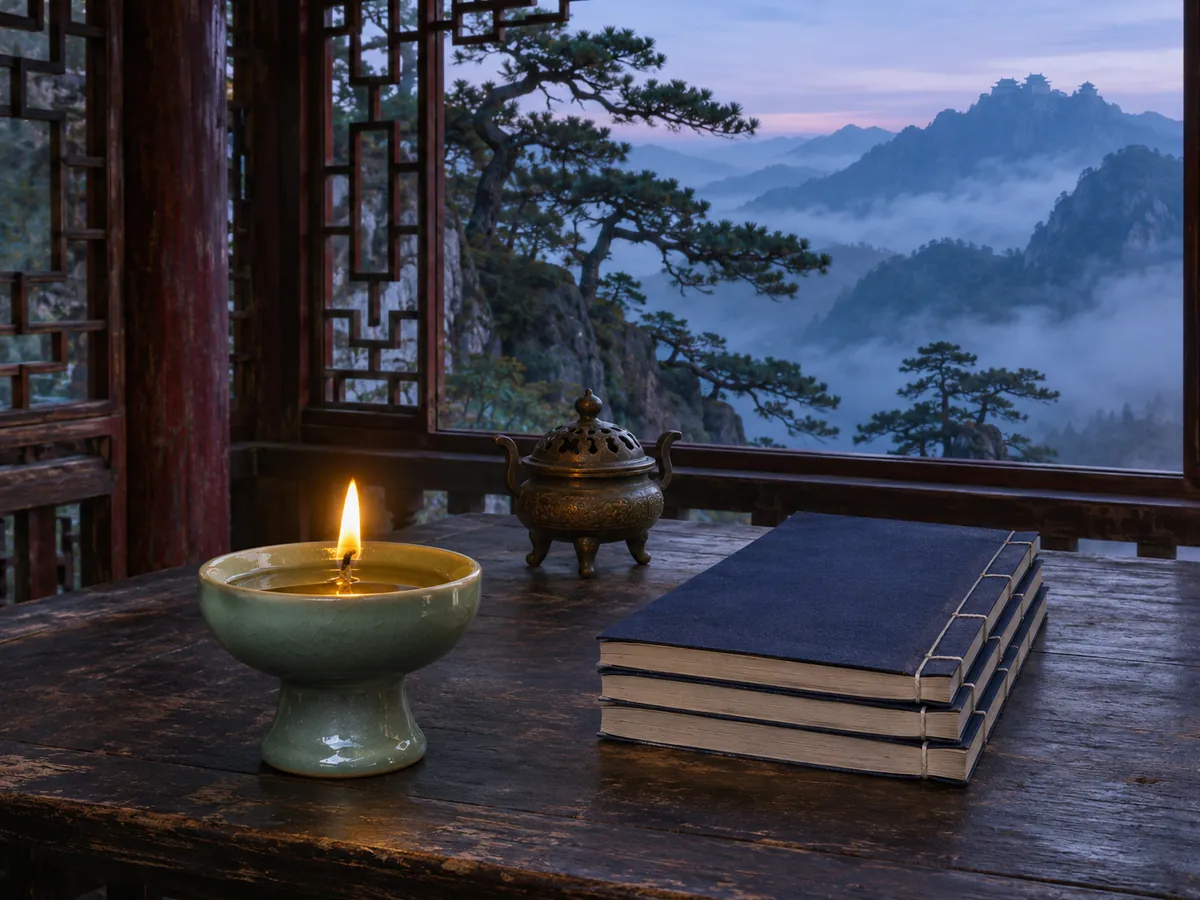
A celadon ceramic oil lamp with a steady golden flame resting beside blank dark-blue thread-bound classical books and a bronze tripod burner on a wooden table overlooking misty mountain pines at twilight.

The classical lamp analogy of Xing and Ming: the sturdy bowl and oil represent vital life (Ming), while the steady flame represents clear awareness (Xing).

4. A Simple Daily Balance Between Wudang Mountain and Singapore

Connecting the living heritage of Wudang Mountain’s UNESCO World Heritage ancient Taoist temples with our regular classes in Singapore, Wudang.Org invites beginners to pair both wings from day one: give fifteen minutes in the morning to a gentle moving practice (Baduanjin or Tai Chi stepping) to care for Ming, and five quiet minutes in the evening to unhurried breathing and reflection to care for Xing. Map your full beginner pathway on Start Here.

Seeker’s Q&A · Frequently Asked Questions

What do Xing (性) and Ming (命) mean in Taoist cultivation?

Xing refers to inner nature, heart-mind awareness, and emotional clarity; Ming refers to vital life, physical constitution, breath, and organic vitality. Dual cultivation (Xing Ming Shuang Xiu) means training both clear mental stillness and healthy physical vitality together.

Why do classical Taoist texts compare Ming to lamp oil and Xing to the lamp flame?

Because a flame (mental awareness) cannot burn steadily if the lamp bowl cracks or the oil runs dry (exhausted physical vitality), and a full bowl of oil gives no light if the wick is never lit or is blown about by agitation.

How can a busy beginner practise dual cultivation of Xing and Ming in 20 minutes a day?

Spend 10–15 minutes in the morning on gentle postural and movement practice (such as Zhan Zhuang, Baduanjin, or Wudang Tai Chi) to nourish Ming, and 5–10 minutes in the evening on quiet abdominal breathing and mental settling to nourish Xing.
